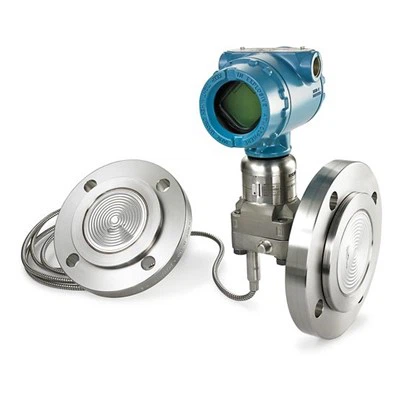
As a supplier of Rosemount Temperature Transmitters, I’ve witnessed firsthand the profound impact of ambient temperature on these devices. In this blog, I’ll delve into the various ways ambient temperature can influence the performance, accuracy, and longevity of Rosemount Temperature Transmitters, and why it’s crucial to consider these factors when using and purchasing these products. Rosemount Temperature Transmitter
Impact on Performance
The performance of a Rosemount Temperature Transmitter is closely tied to the ambient temperature. These transmitters are designed to operate within a specific temperature range, and when the ambient temperature deviates from this range, it can lead to performance issues.
For instance, in high ambient temperatures, the internal components of the transmitter can heat up, causing thermal expansion. This expansion can affect the electrical properties of the components, leading to changes in the output signal. As a result, the transmitter may provide inaccurate temperature readings, which can have serious consequences in applications where precise temperature measurement is critical, such as in industrial processes or environmental monitoring.
Conversely, in low ambient temperatures, the transmitter may experience issues related to cold-induced brittleness of materials. Some components may become more prone to cracking or malfunctioning, which can also impact the accuracy and reliability of the temperature measurements.
Influence on Accuracy
Accuracy is one of the most important aspects of a temperature transmitter, and ambient temperature can significantly affect it. The accuracy of a Rosemount Temperature Transmitter is typically specified under certain reference conditions, including a specific ambient temperature range.
When the ambient temperature is outside this range, the accuracy of the transmitter can degrade. For example, if the ambient temperature is too high, the transmitter may overestimate the temperature, while in low ambient temperatures, it may underestimate the temperature. This inaccuracy can lead to incorrect process control decisions, potentially resulting in product quality issues or safety hazards.
To mitigate the impact of ambient temperature on accuracy, Rosemount Temperature Transmitters are often equipped with temperature compensation features. These features adjust the output signal based on the ambient temperature to maintain a high level of accuracy. However, it’s important to note that these compensation mechanisms have their limitations, and extreme ambient temperatures can still pose challenges.
Effects on Longevity
The ambient temperature can also have a significant impact on the longevity of a Rosemount Temperature Transmitter. High ambient temperatures can accelerate the aging process of the internal components, leading to increased wear and tear. This can result in a shorter lifespan for the transmitter and more frequent maintenance or replacement requirements.
On the other hand, low ambient temperatures can cause issues such as condensation and freezing, which can damage the components and affect the performance of the transmitter. Additionally, repeated exposure to extreme temperature variations can cause stress on the components, leading to fatigue and potential failure over time.
To ensure the longevity of Rosemount Temperature Transmitters, it’s important to install them in environments with stable ambient temperatures and to follow the manufacturer’s recommendations for installation and maintenance. This includes providing proper ventilation, protecting the transmitter from direct sunlight and extreme weather conditions, and performing regular inspections and calibrations.
Considerations for Purchasing
When purchasing a Rosemount Temperature Transmitter, it’s essential to consider the ambient temperature conditions in which it will be used. This includes the average ambient temperature, as well as the range of temperatures that the transmitter may be exposed to.
If the ambient temperature is likely to be outside the normal operating range of the transmitter, it may be necessary to choose a model that is specifically designed for extreme temperature conditions. These models typically have enhanced temperature compensation features and are built with materials that can withstand high or low temperatures.
It’s also important to consider the accuracy requirements of the application. If precise temperature measurement is critical, it may be worth investing in a transmitter with higher accuracy specifications and advanced temperature compensation capabilities.
Conclusion
In conclusion, ambient temperature has a significant influence on the performance, accuracy, and longevity of Rosemount Temperature Transmitters. By understanding these effects and taking appropriate measures to mitigate them, users can ensure the reliable and accurate operation of these devices.
Rosemount Level Transmitter As a supplier of Rosemount Temperature Transmitters, I’m committed to providing high-quality products and expert advice to help our customers make informed decisions. If you’re in the market for a temperature transmitter and have questions about how ambient temperature may affect your application, please don’t hesitate to contact us. We’d be happy to discuss your specific needs and recommend the best solution for your requirements.
References
- Emerson Rosemount Temperature Transmitter Product Documentation
- Industry standards and guidelines for temperature measurement and control
Iges Instrument Co., Ltd.
With abundant experience, we are one of the most professional rosemount temperature transmitter suppliers in China. Please feel free to buy high quality rosemount temperature transmitter in stock here and get quotation from our factory. Good service and low price are available.
Address: No. 2328 Chenqiao Road, Fengxian District, Shanghai
E-mail: 12345@seo.com.cn
WebSite: https://www.iges-inst.com/
