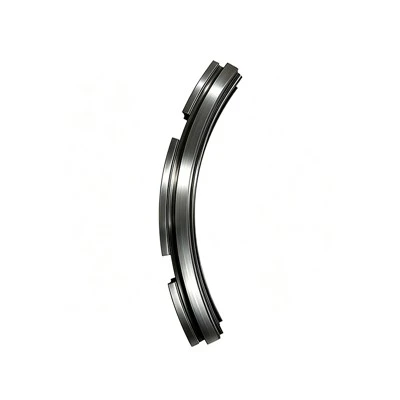
As a seasoned supplier in the field of Turbine Gland Seals, I often encounter inquiries regarding the optimal temperature range for their operation. This topic is of utmost importance as it directly impacts the performance, efficiency, and longevity of the turbine gland seal system. In this blog post, I will delve into the details of the temperature range for turbine gland seal operation, exploring the factors that influence it and the consequences of operating outside this range. Turbine Gland Seal
Understanding Turbine Gland Seals
Before we discuss the temperature range, it’s essential to understand what turbine gland seals are and their function. Turbine gland seals are crucial components in steam turbines, designed to prevent the leakage of steam from the turbine casing into the atmosphere and to prevent air from entering the casing. They play a vital role in maintaining the efficiency of the turbine by ensuring that the steam is contained within the system and that the vacuum is maintained.
The Ideal Temperature Range
The ideal temperature range for turbine gland seal operation typically falls between 120°F (49°C) and 180°F (82°C). This range is carefully determined based on the material properties of the gland seals and the requirements of the turbine system.
Lower Temperature Limit
The lower temperature limit of 120°F (49°C) is set to prevent the formation of condensation within the gland seal system. Condensation can lead to a variety of problems, including corrosion of the seal components, reduced sealing effectiveness, and increased wear and tear. When the temperature drops below this limit, moisture in the steam can condense on the surfaces of the gland seals, causing damage over time.
Upper Temperature Limit
The upper temperature limit of 180°F (82°C) is established to protect the integrity of the gland seal materials. Most turbine gland seals are made from materials such as carbon, graphite, or synthetic polymers, which have specific temperature limits beyond which they can degrade or lose their sealing properties. Operating the gland seals above this temperature can lead to accelerated wear, cracking, and ultimately, failure of the seal.
Factors Influencing the Temperature Range
Several factors can influence the temperature range for turbine gland seal operation. These factors need to be carefully considered to ensure that the gland seals are operating within the optimal temperature range.
Steam Temperature and Pressure
The temperature and pressure of the steam entering the turbine are significant factors that affect the gland seal temperature. Higher steam temperatures and pressures can result in increased heat transfer to the gland seals, raising their operating temperature. Conversely, lower steam temperatures and pressures may lead to a decrease in the gland seal temperature.
Cooling System Efficiency
The efficiency of the cooling system used to maintain the gland seal temperature is another crucial factor. A well-designed and properly maintained cooling system can effectively remove excess heat from the gland seals, keeping them within the optimal temperature range. However, if the cooling system is inefficient or malfunctioning, the gland seal temperature may rise above the acceptable limit.
Ambient Temperature
The ambient temperature around the turbine can also impact the gland seal temperature. In hot environments, the heat transfer from the surroundings to the gland seals can be significant, increasing their operating temperature. On the other hand, in cold environments, the gland seal temperature may drop below the lower limit, leading to condensation problems.
Turbine Load
The load on the turbine can affect the gland seal temperature as well. Higher turbine loads typically result in increased steam flow and heat generation, which can raise the gland seal temperature. Conversely, lower turbine loads may lead to a decrease in the gland seal temperature.
Consequences of Operating Outside the Temperature Range
Operating the turbine gland seals outside the recommended temperature range can have several negative consequences.
Reduced Sealing Effectiveness
When the gland seal temperature is too low, condensation can form, reducing the sealing effectiveness of the gland seals. This can lead to steam leakage from the turbine casing, resulting in a loss of efficiency and increased energy consumption. On the other hand, when the gland seal temperature is too high, the seal materials may degrade, also reducing the sealing effectiveness and causing steam leakage.
Increased Wear and Tear
Operating the gland seals outside the optimal temperature range can accelerate the wear and tear of the seal components. High temperatures can cause the seal materials to expand and contract, leading to cracking and deformation. Low temperatures can cause the seal materials to become brittle, increasing the risk of damage.
Corrosion
Condensation that forms at low temperatures can lead to corrosion of the gland seal components. Corrosion can weaken the seal materials, reducing their lifespan and increasing the likelihood of failure.
System Failure
In extreme cases, operating the gland seals outside the temperature range can lead to system failure. This can result in costly repairs, downtime, and potential safety hazards.
Maintaining the Optimal Temperature Range
To ensure that the turbine gland seals are operating within the optimal temperature range, several measures can be taken.
Monitoring and Control
Regular monitoring of the gland seal temperature is essential. This can be done using temperature sensors installed in the gland seal system. By continuously monitoring the temperature, any deviations from the optimal range can be detected early, allowing for timely corrective action.
Cooling System Maintenance
The cooling system used to maintain the gland seal temperature should be regularly maintained to ensure its efficiency. This includes checking the coolant levels, inspecting the cooling pipes for leaks, and cleaning the heat exchangers.
Adjusting Steam Parameters
The steam temperature and pressure can be adjusted to maintain the gland seal temperature within the optimal range. This may involve adjusting the boiler settings or using steam control valves to regulate the steam flow.
Insulation
Proper insulation of the turbine casing and the gland seal system can help to reduce heat transfer to the surroundings, keeping the gland seal temperature within the acceptable range.
Conclusion
In conclusion, the temperature range for turbine gland seal operation is a critical factor that directly impacts the performance, efficiency, and longevity of the turbine system. The ideal temperature range typically falls between 120°F (49°C) and 180°F (82°C), and several factors can influence this range, including steam temperature and pressure, cooling system efficiency, ambient temperature, and turbine load. Operating the gland seals outside this range can have negative consequences, such as reduced sealing effectiveness, increased wear and tear, corrosion, and system failure. To ensure the optimal operation of the turbine gland seals, it is essential to monitor and control the temperature, maintain the cooling system, adjust the steam parameters, and provide proper insulation.
Turbine Gland Seal If you are in the market for high-quality turbine gland seals or need further information on their operation and maintenance, I encourage you to reach out to me. I am more than happy to discuss your specific requirements and provide you with the best solutions for your turbine system.
References
- ASME Boiler and Pressure Vessel Code
- Turbine Manufacturer’s Technical Manuals
- Industry Standards and Guidelines for Turbine Gland Seals
Jiangsu Turbine Electric Power Technology Co., Ltd.
As one of the most professional turbine gland seal manufacturers and suppliers in China, we have world-leading production equipment and strong manufacturing capabilities. Please feel free to buy advanced turbine gland seal for sale here and get pricelist from our factory. Customized orders are welcome.
Address: Building 8, Huaqi Yungu Xuzhou Lingang Industry Accelerator, Jiawang District, Xuzhou City, Jiangsu Province
E-mail: zjh800@163.com
WebSite: https://www.cnturbine.com/
