In the dynamic landscape of electrical systems, ensuring optimal power quality is paramount for the seamless operation of various equipment and processes. As a supplier of Multi Function Meters (MFMs), I often encounter the question: Can a Multi Function Meter be used for power quality analysis? In this blog, we will delve into the capabilities of MFMs in power quality analysis, exploring their features, benefits, and limitations. Multi Function Meter

Understanding Power Quality Analysis
Power quality refers to the characteristics of electrical power that allow electrical equipment to function correctly and efficiently. Poor power quality can lead to a range of issues, including equipment malfunction, premature failure, increased energy consumption, and production losses. Power quality analysis involves the measurement and assessment of various electrical parameters to identify and diagnose power quality problems.
Key parameters in power quality analysis include voltage sags and swells, voltage unbalance, harmonics, flicker, and power factor. These parameters can be affected by a variety of factors, such as utility grid disturbances, electrical equipment operation, and environmental conditions. By monitoring and analyzing these parameters, engineers and technicians can take proactive measures to improve power quality and prevent electrical problems.
Capabilities of Multi Function Meters in Power Quality Analysis
Multi Function Meters are versatile devices that can measure a wide range of electrical parameters, including voltage, current, power, energy, frequency, and power factor. In addition to these basic measurements, many MFMs also offer advanced features for power quality analysis, such as harmonic analysis, voltage sag and swell detection, and flicker measurement.
Harmonic Analysis
Harmonics are unwanted sinusoidal components of an electrical waveform that have frequencies that are integer multiples of the fundamental frequency (usually 50 or 60 Hz). Harmonics can be generated by non-linear electrical loads, such as variable frequency drives, computers, and fluorescent lighting. Excessive harmonics can cause overheating, equipment damage, and interference with communication systems.
MFMs with harmonic analysis capabilities can measure the magnitude and phase angle of individual harmonics up to the 50th or higher order. This information can be used to identify the sources of harmonics and to evaluate the effectiveness of harmonic mitigation measures, such as harmonic filters.
Voltage Sag and Swell Detection
Voltage sags and swells are short-duration reductions or increases in the RMS voltage of an electrical system. Voltage sags can be caused by faults on the utility grid, starting of large motors, or short circuits in the electrical system. Voltage swells can be caused by lightning strikes, capacitor bank switching, or load shedding.
MFMs can detect voltage sags and swells by continuously monitoring the RMS voltage of the electrical system. When a voltage sag or swell is detected, the MFM can record the duration, magnitude, and time of occurrence of the event. This information can be used to identify the causes of voltage sags and swells and to implement corrective actions, such as voltage regulation or load management.
Flicker Measurement
Flicker is a phenomenon that causes visible fluctuations in the brightness of lighting due to variations in the voltage supply. Flicker can be caused by non-linear electrical loads, such as arc furnaces, welding machines, and variable frequency drives. Excessive flicker can cause visual discomfort, fatigue, and even health problems in some individuals.
MFMs can measure flicker by continuously monitoring the voltage fluctuations of the electrical system. The MFM can calculate the flicker severity index (Pst), which is a measure of the perceived flicker intensity by the human eye. The Pst value can be used to evaluate the compliance of the electrical system with relevant standards and to identify the sources of flicker.
Benefits of Using Multi Function Meters for Power Quality Analysis
There are several benefits of using MFMs for power quality analysis:
Cost-Effective Solution
MFMs are relatively inexpensive compared to dedicated power quality analyzers. They can provide a wide range of electrical measurements and power quality analysis features in a single device, eliminating the need for multiple instruments.
Easy to Install and Use
MFMs are typically easy to install and use. They can be connected directly to the electrical system without the need for complex wiring or setup. Most MFMs come with a user-friendly interface that allows engineers and technicians to view and analyze the measured data easily.
Real-Time Monitoring
MFMs can provide real-time monitoring of electrical parameters and power quality events. This allows engineers and technicians to quickly detect and respond to power quality problems, minimizing the impact on equipment and processes.
Data Logging and Analysis
Many MFMs offer data logging capabilities, allowing engineers and technicians to record and store electrical measurements and power quality events over an extended period. The logged data can be analyzed using software tools to identify trends, patterns, and potential problems.
Limitations of Multi Function Meters in Power Quality Analysis
While MFMs offer many benefits for power quality analysis, they also have some limitations:
Limited Measurement Accuracy
Compared to dedicated power quality analyzers, MFMs may have lower measurement accuracy, especially for high-frequency harmonics and fast transients. This can affect the reliability of the power quality analysis results, especially in applications where high accuracy is required.
Limited Analysis Capabilities
MFMs may have limited analysis capabilities compared to dedicated power quality analyzers. They may not be able to perform complex power quality analysis tasks, such as waveform distortion analysis, transient analysis, and power quality event classification.
Limited Communication Options
Some MFMs may have limited communication options, making it difficult to integrate them into a larger power management system or to remotely access the measured data. This can limit the effectiveness of the power quality analysis and monitoring process.
Conclusion
In conclusion, Multi Function Meters can be used for power quality analysis, providing a cost-effective and easy-to-use solution for monitoring and analyzing electrical parameters and power quality events. While MFMs have some limitations compared to dedicated power quality analyzers, they can still provide valuable information for identifying and diagnosing power quality problems.
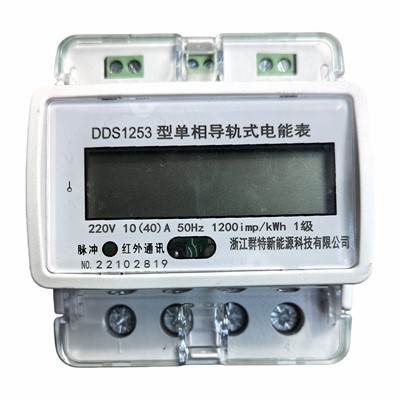
As a supplier of Multi Function Meters, we are committed to providing our customers with high-quality products and solutions that meet their power quality analysis needs. Our MFMs offer a wide range of features and capabilities, including harmonic analysis, voltage sag and swell detection, and flicker measurement. We also provide comprehensive technical support and training to ensure that our customers can use our products effectively.
Electronic Energy Meter If you are interested in learning more about our Multi Function Meters or power quality analysis solutions, please contact us to schedule a consultation. Our team of experts will be happy to discuss your specific requirements and recommend the best solution for your application.
References
- International Electrotechnical Commission (IEC). IEC 61000-4-7:2019, Electromagnetic compatibility (EMC) – Part 4-7: Testing and measurement techniques – General guide on harmonics and inter-harmonics measurements and instrumentation, for power supply systems and equipment connected thereto.
- Institute of Electrical and Electronics Engineers (IEEE). IEEE Std 519-2014, IEEE Recommended Practices and Requirements for Harmonic Control in Electrical Power Systems.
- International Electrotechnical Commission (IEC). IEC 61000-4-15:2010, Electromagnetic compatibility (EMC) – Part 4-15: Testing and measurement techniques – Flickermeter – Functional and design specifications.
Zhejiang Qunte New Energy Technology Co., Ltd.
As one of the most professional multi function meter manufacturers in China, we’re featured by quality products and good price. Please rest assured to buy discount multi function meter made in China here from our factory. We also accept customized orders.
Address: No. 56, Fengxi Road, Tang’ao Yu Village, Liushi Town, Yueqing City, Wenzhou City, Zhejiang Province
E-mail: 251951196@qq.com
WebSite: https://www.zjqtmeter.com/
