Toroidal inductors have long been an area of interest in the field of electronics, especially when it comes to audio circuits. As a supplier of toroidal inductors, I’ve encountered numerous inquiries from audio enthusiasts, engineers, and manufacturers regarding the suitability of these components for audio applications. In this blog post, I’ll delve into the technical aspects, advantages, and potential limitations of using toroidal inductors in audio circuits to provide a comprehensive understanding of their viability. Toroidal Inductor
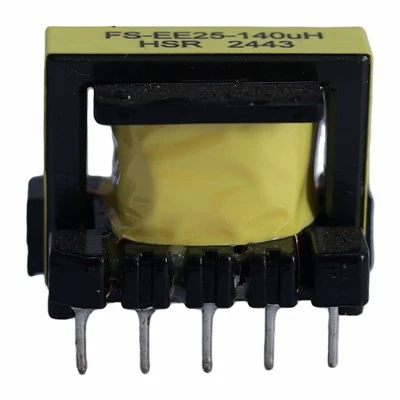
Technical Basics of Toroidal Inductors
Before discussing the application of toroidal inductors in audio circuits, it’s essential to understand the basic principles of these components. A toroidal inductor consists of a coil of wire wound around a doughnut – shaped (toroidal) core. The core material can vary, including ferromagnetic materials like iron, ferrite, or powdered iron.
The toroidal shape offers several unique electrical properties. Due to its closed – loop structure, most of the magnetic field generated by the current flowing through the coil is confined within the core. This results in a relatively low magnetic leakage compared to other inductor geometries, such as solenoidal inductors. The self – inductance of a toroidal inductor is determined by factors like the number of turns in the coil, the cross – sectional area of the core, the permeability of the core material, and the mean radius of the toroid.
Advantages in Audio Circuits
Low Magnetic Interference
One of the most significant advantages of toroidal inductors in audio circuits is their low magnetic interference. In audio systems, magnetic interference can cause hum, noise, and distortion in the audio signal. The confined magnetic field of toroidal inductors reduces the likelihood of them coupling with other nearby components in the circuit, such as transformers or sensitive audio – frequency amplifiers. This makes toroidal inductors ideal for high – end audio equipment where maintaining a clean and noise – free audio signal is of utmost importance.
For example, in a multi – channel audio amplifier, toroidal inductors can be used in the power supply filtering section. The low magnetic leakage ensures that the inductor doesn’t interfere with the audio signal paths, resulting in a cleaner power supply for the amplifier stages. This, in turn, can improve the overall sound quality, reducing audible hum and noise in the output audio.
High Inductance in a Compact Size
Toroidal inductors can achieve relatively high inductance values in a compact physical size. This is valuable in audio circuits, especially in applications where space is limited, such as in portable audio devices or small – form – factor audio amplifiers. The high inductance allows for better filtering of power supply ripple and can also be used effectively in audio equalization circuits.
In an equalizer circuit, inductors are used to shape the frequency response of the audio signal. A toroidal inductor’s ability to provide high inductance in a small package enables the design of more compact and efficient equalizer circuits without sacrificing performance.
High Q – Factor
The quality factor (Q – factor) of an inductor is a measure of its efficiency and is defined as the ratio of the inductive reactance to the resistance of the inductor at a given frequency. Toroidal inductors typically have a high Q – factor due to their low resistance and efficient magnetic structure. In audio circuits, a high Q – factor inductor is desirable in resonant circuits, such as those used in audio filters.
A high – Q toroidal inductor in a band – pass filter can provide a sharper frequency response, allowing for more precise filtering of specific audio frequencies. This can enhance the clarity and definition of the audio signal, especially in applications where specific frequency ranges need to be emphasized or attenuated.
Potential Limitations
Cost
One of the main drawbacks of using toroidal inductors in audio circuits is their relatively high cost compared to other types of inductors. The manufacturing process of toroidal inductors is more complex, as the wire needs to be wound precisely around the toroidal core. Additionally, the cost of high – quality core materials can also contribute to the overall expense.
For budget – conscious audio applications or mass – market audio products, the higher cost of toroidal inductors may be a limiting factor. Manufacturers may opt for less expensive solenoidal or multilayer inductors to keep the production costs down, even if it means sacrificing some of the performance benefits offered by toroidal inductors.
Saturation Issues
Under high – current conditions, toroidal inductors can experience magnetic saturation. When the core of the inductor saturates, the inductance value decreases significantly, which can lead to distortion in the audio signal. In audio power amplifiers, for example, where high currents are often present, careful consideration must be given to the selection of toroidal inductors to avoid saturation.
The choice of core material and the design of the inductor need to be carefully optimized to handle the expected current levels without saturating. This may involve using larger – sized cores or core materials with higher saturation flux densities, which can further increase the cost of the inductors.
Applications in Audio Circuits
Power Supply Filtering
As mentioned earlier, toroidal inductors are commonly used in the power supply filtering stages of audio equipment. They help to smooth out the DC voltage by filtering out the AC ripple component from the rectified power supply. A well – designed power supply with toroidal inductors can provide a stable and clean power source for the audio amplifier, reducing noise and distortion in the audio output.
In high – power audio amplifiers, multiple toroidal inductors may be used in combination with capacitors to create a high – performance power supply filter. The inductors block the high – frequency ripple components, while the capacitors store and release energy to maintain a stable voltage.
Audio Equalization
Toroidal inductors are also used in audio equalization circuits to adjust the frequency response of the audio signal. By combining inductors, capacitors, and resistors, various types of equalizer filters can be designed, such as low – pass, high – pass, and band – pass filters. The high Q – factor and low magnetic interference of toroidal inductors make them well – suited for these applications, allowing for precise and efficient frequency shaping.
For example, in a professional audio mixer, toroidal inductors can be used in the parametric equalizer sections to provide accurate control over the bass, mid – range, and treble frequencies of the audio signal.
Conclusion
In conclusion, toroidal inductors can indeed be used in audio circuits, offering several significant advantages such as low magnetic interference, high inductance in a compact size, and a high Q – factor. However, they also come with some limitations, including higher cost and potential saturation issues.
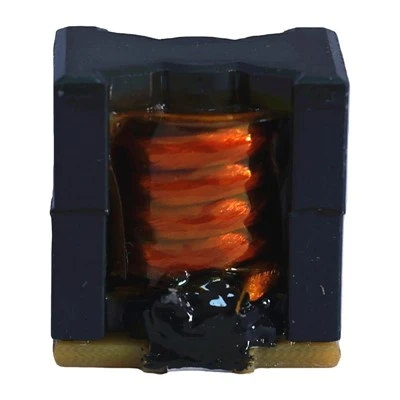
The decision to use toroidal inductors in an audio circuit depends on various factors, such as the specific requirements of the audio application, the available budget, and the desired level of performance. For high – end audio equipment where sound quality is paramount, toroidal inductors are often the preferred choice.
Power Transformer If you’re an audio equipment manufacturer, engineer, or enthusiast looking for high – quality toroidal inductors for your audio projects, we are here to assist you. Our company specializes in the production of a wide range of toroidal inductors, with different core materials, inductance values, and current ratings to meet your specific needs. We can provide technical support and guidance to help you select the most suitable toroidal inductors for your audio circuits. Please reach out to us for further discussions and to explore potential purchasing opportunities.
References
- “The Art of Electronics” by Paul Horowitz and Winfield Hill.
- “Electronic Filter Design Handbook” by Arthur B. Williams and Frederick J. Taylor.
- Research papers on audio circuit design and inductor applications in audio systems from IEEE Xplore.
Dongguan Hensiron Electric Co., Ltd.
As one of the most professional toroidal inductor suppliers in China, we have world-leading production equipment and strong manufacturing capabilities. Please feel free to buy high quality toroidal inductor made in China here from our factory. Customized orders are welcome.
Address: Building 4, Xinxing Industrial Zone, Wangao Road, Wanjiang Street, Dongguan City, China
E-mail: jessica@dghensiron.com
WebSite: https://www.dghensiron.com/
