Are butt fusion fittings resistant to corrosion? Butt Fusion Fittings
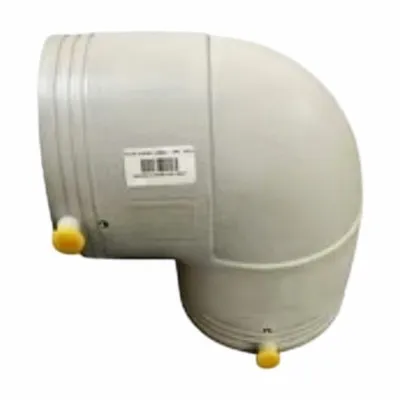
As a supplier of butt fusion fittings, I often encounter inquiries from customers about the corrosion resistance of our products. This is a crucial question, as corrosion can significantly impact the performance and lifespan of piping systems. In this blog post, I will delve into the topic of corrosion resistance in butt fusion fittings, exploring the factors that contribute to their durability and why they are an excellent choice for various applications.
Understanding Corrosion and Its Impact
Corrosion is a natural process that occurs when metals or other materials react with their environment, leading to the deterioration of the material over time. In piping systems, corrosion can cause leaks, reduced flow capacity, and even structural failure, resulting in costly repairs and downtime. Therefore, selecting materials with high corrosion resistance is essential to ensure the long-term reliability and performance of the system.
The Corrosion Resistance of Butt Fusion Fittings
Butt fusion fittings are typically made from high-density polyethylene (HDPE) or other thermoplastic materials. These materials offer inherent corrosion resistance, making them an ideal choice for applications where exposure to corrosive substances is a concern. Here are some key factors that contribute to the corrosion resistance of butt fusion fittings:
Chemical Inertness
HDPE and other thermoplastics are chemically inert, meaning they do not react readily with most chemicals. This property allows butt fusion fittings to withstand exposure to a wide range of corrosive substances, including acids, alkalis, salts, and organic solvents. As a result, they can be used in various industries, such as chemical processing, water treatment, and mining, where corrosion is a significant challenge.
Resistance to Oxidation
Unlike metals, which are prone to oxidation (rusting) when exposed to oxygen and moisture, thermoplastics are highly resistant to oxidation. This resistance ensures that butt fusion fittings maintain their structural integrity and performance over time, even in harsh environments. Additionally, the lack of oxidation means that the fittings do not release harmful contaminants into the fluid being transported, making them suitable for use in potable water systems.
Impermeability
Butt fusion fittings are impermeable to most gases and liquids, preventing the ingress of corrosive substances into the material. This impermeability helps to protect the fittings from internal and external corrosion, ensuring their long-term durability. In addition, the seamless construction of butt fusion joints further enhances the impermeability of the piping system, reducing the risk of leaks and corrosion at the joints.
UV Resistance
Many applications of butt fusion fittings involve outdoor exposure, where they are subjected to ultraviolet (UV) radiation from the sun. HDPE and other thermoplastics can be formulated with UV stabilizers to enhance their resistance to UV degradation. This allows the fittings to maintain their mechanical properties and appearance over extended periods of outdoor use, making them suitable for applications such as irrigation systems, landfill liners, and solar power installations.
Case Studies: Real-World Applications
To illustrate the corrosion resistance of butt fusion fittings in real-world applications, let’s look at a few case studies:
Chemical Processing Industry
In a chemical processing plant, butt fusion fittings were used to construct a piping system for transporting corrosive chemicals. The system was exposed to a variety of acids and alkalis, as well as high temperatures and pressures. After several years of operation, the butt fusion fittings showed no signs of corrosion or degradation, maintaining their structural integrity and performance. This not only ensured the safe and reliable operation of the plant but also reduced the need for costly maintenance and replacement.
Water Treatment Plants
Water treatment plants often use butt fusion fittings in their piping systems to handle various chemicals and water sources. These fittings are resistant to the corrosive effects of chlorine, fluoride, and other disinfectants, as well as the minerals and contaminants present in the water. In a large water treatment plant, butt fusion fittings were installed in a new filtration system. After a decade of operation, the fittings remained in excellent condition, with no signs of leakage or corrosion. This contributed to the efficient and cost-effective operation of the plant, ensuring a continuous supply of clean water to the community.
Marine Applications
In marine environments, butt fusion fittings are used in various applications, such as seawater intake and discharge systems, desalination plants, and offshore platforms. These fittings are exposed to the corrosive effects of saltwater, as well as the harsh weather conditions and mechanical stresses associated with marine operations. In a coastal desalination plant, butt fusion fittings were used to construct a seawater intake pipeline. Despite the constant exposure to saltwater and wave action, the fittings maintained their integrity and performance, providing a reliable and corrosion-resistant solution for the plant.
Advantages of Using Corrosion-Resistant Butt Fusion Fittings
The use of corrosion-resistant butt fusion fittings offers several advantages over traditional metal fittings:
Longevity
Butt fusion fittings have a long service life, often exceeding 50 years in many applications. This longevity reduces the need for frequent replacement, resulting in significant cost savings over the life of the piping system.
Low Maintenance
Due to their corrosion resistance, butt fusion fittings require minimal maintenance. This reduces the downtime associated with maintenance and repair, ensuring the continuous operation of the piping system.
Environmental Friendliness
Thermoplastic materials used in butt fusion fittings are recyclable, making them an environmentally friendly choice. Additionally, their corrosion resistance reduces the risk of leaks and spills, minimizing the environmental impact of the piping system.
Ease of Installation
Butt fusion fittings are easy to install, requiring only simple fusion equipment and minimal training. This reduces the installation time and cost, making them a cost-effective solution for piping systems of all sizes.
Conclusion
In conclusion, butt fusion fittings are highly resistant to corrosion, making them an excellent choice for a wide range of applications. Their chemical inertness, resistance to oxidation, impermeability, and UV resistance ensure their long-term durability and performance in harsh environments. By choosing corrosion-resistant butt fusion fittings, customers can benefit from reduced maintenance costs, increased system reliability, and a longer service life.
If you are considering using butt fusion fittings for your next project and would like to learn more about their corrosion resistance and other properties, I encourage you to contact me. I would be happy to discuss your specific requirements and provide you with detailed information and technical support. Let’s work together to find the best solution for your piping system needs.
Electrofusion Fittings References
- "Handbook of Polyethylene" by Andrew Peacock
- "Plastics Pipe Systems for Water Supply and Sewerage" by the International Organization for Standardization (ISO)
- "Corrosion Resistance of Plastics and Elastomers" by Charles A. Harper
Qingdao Polyfusion Machinery Co., Ltd.
As one of the most professional butt fusion fittings manufacturers and suppliers in China, we have world-leading production equipment and strong manufacturing capabilities. Please feel free to buy bulk high quality butt fusion fittings from our factory.
Address: Chengyang Industry Zone, Chengyang, Qingdao, Shandong, China
E-mail: export01@qdpolyfusion.com
WebSite: https://www.polyfusionfittings.com/
