What is the minimum bending radius of TUV Solar Cable? TUV Solar Cable

As a well – established supplier of TUV Solar Cables, I’ve had numerous discussions with both industry experts and potential customers regarding various aspects of our cables. One question that frequently comes up is about the minimum bending radius of TUV Solar Cables. In this blog, I aim to provide a comprehensive understanding of this crucial parameter.
Understanding the Basics of Bending Radius
Before delving into the minimum bending radius for TUV Solar Cables, it’s essential to understand what a bending radius is. The bending radius is the radius of the smallest circle into which a cable can be bent without causing damage to the cable’s internal structure, insulation, or conductors.
When a cable is bent beyond its acceptable bending radius, several negative consequences can occur. For instance, the insulation may crack, which can lead to short – circuits and electrical hazards. The conductors inside the cable may also experience excessive stress, resulting in increased electrical resistance. Higher resistance can cause the cable to heat up during operation, reducing its efficiency and potentially leading to premature failure of the cable.
Factors Influencing the Minimum Bending Radius of TUV Solar Cables
The minimum bending radius of TUV Solar Cables is determined by a variety of factors. Some of the most significant ones are as follows:
-
Cable Construction: The way the cable is constructed plays a vital role. Cables with multiple layers, such as those with a thick outer sheath and multiple insulation layers, tend to have a larger minimum bending radius. For example, if a cable has a rigid outer sheath that is difficult to deform, a larger radius is required to prevent damage to the inner components. On the other hand, cables with more flexible materials and a simpler construction may have a smaller minimum bending radius.
-
Conductor Size: The size of the conductors inside the cable matters. Larger conductors are generally less flexible, and as a result, cables with larger conductors typically need a larger bending radius. This is because larger conductors have a greater cross – sectional area, and bending them beyond a certain point can cause internal fractures in the conductor material, leading to poor electrical performance.
-
Insulation Material: Different insulation materials have different levels of flexibility. Some insulation materials are naturally more rigid, while others are highly flexible. Cables with rigid insulation materials need a larger bending radius to avoid cracking or breaking the insulation layer. For example, cables with a hard – plastic insulation may have a larger minimum bending radius compared to those with a rubber – like insulation.
TUV Standards and Minimum Bending Radius
TUV (Technischer Überwachungsverein) is a well – recognized international organization that sets standards for various products, including solar cables. These standards are designed to ensure the safety, reliability, and performance of the cables in different applications.
TUV has specific requirements for the minimum bending radius of TUV Solar Cables. Generally, the minimum bending radius for TUV Solar Cables is specified as a multiple of the cable’s outer diameter. For single – core cables, the minimum bending radius is often around 4 to 5 times the outer diameter of the cable. For multi – core cables, it can be around 6 to 8 times the outer diameter.
These values are based on extensive testing and research conducted by TUV. The organization has considered factors such as the mechanical stress on the conductors, the integrity of the insulation, and the long – term performance of the cable under different bending conditions. By adhering to these minimum bending radius requirements, users can ensure that the TUV Solar Cables operate safely and efficiently over their intended lifespan.
Importance of Adhering to the Minimum Bending Radius
Adhering to the minimum bending radius is not just a matter of following standards; it has significant practical implications.
-
Safety: A cable bent beyond its minimum bending radius can pose serious safety risks. As mentioned earlier, cracking of the insulation can expose live conductors, leading to electrical shocks and the risk of fire. By ensuring that the cables are bent within the recommended radius, the risk of such safety hazards is significantly reduced.
-
Performance: When the bending radius is within the acceptable range, the cable can maintain its electrical performance. The conductors remain intact, and the electrical resistance remains stable. This means that the cable can efficiently transfer electrical energy from the solar panels to the inverter and other components in the solar power system.
-
Longevity: Cables that are bent within the minimum bending radius are less likely to experience premature wear and tear. The internal components are not subjected to excessive stress, which can extend the lifespan of the cable. This reduces the need for frequent cable replacements, saving both time and money in the long run.
Applications and the Impact of Bending Radius
TUV Solar Cables are used in a wide range of solar power applications, from small residential solar installations to large – scale commercial and utility – scale solar farms.
In residential applications, where space may be limited, installers need to be particularly careful when routing the cables. They may need to make tight bends around corners or through small conduits. However, it is crucial to ensure that the minimum bending radius is still maintained. Using cables with a smaller minimum bending radius can be advantageous in such situations, as it allows for more flexible routing while still meeting the safety and performance requirements.
In large – scale solar farms, thousands of feet of cables are used. The proper installation of these cables requires careful planning to ensure that the minimum bending radius is not violated. Incorrect bending of cables in a solar farm can lead to widespread electrical problems that are difficult and costly to diagnose and fix.
How Our TUV Solar Cables Meet Bending Radius Requirements
As a supplier of TUV Solar Cables, we take great pride in the quality and performance of our products. Our cables are designed and manufactured to meet and often exceed the TUV standards for minimum bending radius.
We use high – quality materials in the construction of our cables. Our conductors are made from high – purity copper or aluminum, which are selected for their excellent electrical conductivity and flexibility. The insulation materials we use are carefully chosen for their durability and flexibility, allowing the cables to be bent within the recommended radius without damage.
During the manufacturing process, we conduct rigorous quality control checks to ensure that each cable meets the specified minimum bending radius requirements. We use advanced testing equipment to simulate different bending conditions and verify that the cables can withstand the stress without any degradation in performance.
Contact Us for Your TUV Solar Cable Needs
If you are in the process of planning a solar power installation, whether it’s a small residential project or a large – scale commercial venture, choosing the right TUV Solar Cables is crucial. Our team of experts is here to assist you in selecting the most suitable cables for your specific requirements. We can provide detailed information about the minimum bending radius of our cables and how they can be safely installed in your system.
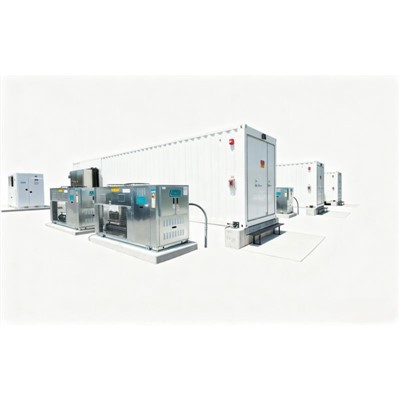
Residential Energy Storage System We understand the importance of reliability and performance in solar power applications, and our TUV Solar Cables are designed to meet those high standards. Whether you have questions about installation, cable specifications, or pricing, we are happy to help. Please feel free to reach out to us to start a discussion about your TUV Solar Cable procurement. We look forward to working with you to ensure the success of your solar power project.
References
- TUV Rheinland Standards Documentation for Solar Cables
- International Electrotechnical Commission (IEC) Standards Related to Solar Cables
- Industry Research Papers on the Mechanical Properties of Solar Cables
Tianjin Xilingke New Energy Technology Co., Ltd.
As one of the most professional tuv solar cable manufacturers and suppliers in China, we’re featured by quality products and low price. Please rest assured to wholesale durable tuv solar cable made in China here from our factory. For quotation, contact us now.
Address: Suite 2601, Tower B, Wanghai International, Haihe East Road, Hebei District, Tianjin, China.
E-mail: robin@sinelinkev.com
WebSite: https://www.sinelinkenergy.com/
