Hey everyone, thanks for swinging by my little corner of the web—for anyone who doesn’t know me, I run a silicone tube supply shop, and I get this question ALL the time from new textile folks just starting out or old heads looking to upgrade their gear: can silicone tubes even work in the textile industry? Like, I get why you’d side-eye it at first. Textile stuff is wild, right? We’re talking constant high heat, harsh chemicals (detergents, dyes, bleaches that eat through other materials), tons of abrasion from moving fabric, and way higher pressure than your average plumbing line. Silicone Tube
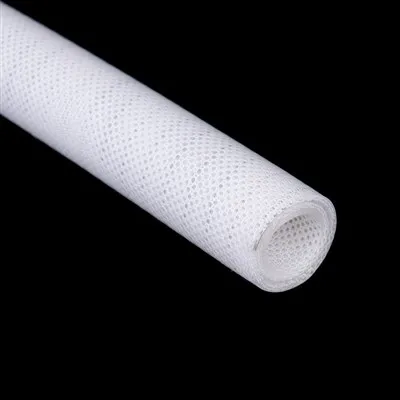
I didn’t always work with silicone, either. Back when I first got into the tube game, we were just selling regular rubber and plastic tubes for construction, auto parts, whatever. A big textile manufacturer hit me up about a year ago, panicking because their old rubber tubes were cracking after three weeks in their dyeing machines—like, full-on splitting, leaving dye all over expensive fabric rolls, costing them thousands in reworked material and downtime. They were ready to throw in the towel on silicone, but I told ‘em to let me test a batch. Now that client’s ordering from us every month, no complaints. That’s when I realized silicone isn’t just for kitchen tools and phone cases—this stuff is a game-changer for textiles, if you use it right.
First, let’s talk about the big one: heat resistance. Textile lines run hot—like, really hot. From pre-treatment washing (sometimes 180°C / 356°F) to dyeing, even curing for synthetic fabrics, those lines aren’t turning down the AC. Most regular rubber tubes? They start to break down above 120°C / 248°F—they get brittle, crack, or leach weird stuff into whatever’s flowing through ‘em. PVC tubes? Don’t even get me started—they melt at like 100°C, so you’re just dumping plastic gunk into your process. Silicone? We’re talking continuous use temp range of -60°C to 230°C (-76°F to 446°F). That pre-treatment wash? No problem. Dyeing at 190°C? Still going strong. And the best part? No leaching. Silicone is inert, so it won’t shed tiny particles into your dye or wash water that end up on your fabric. I’ve had textile clients tell me they switched from rubber and plastic to silicone for that exact reason—no more random little spots on finished fabrics that make them get rejected by retailers.
Next up, chemical resistance—another huge pain point for textiles. Those harsh chemicals I mentioned earlier? Dyes, bleaches, surfactants, even alkali and acid solutions used for scouring fabric to get rid of sizing agents (that starchy stuff put on fabric to make it easier to weave). Regular rubber like EPDM? That stuff breaks down when it hits concentrated bleach—gets soft, sticky, starts falling apart. Nylon plastic tubes? They absorb chemicals, swell up, so they lose their shape, get kinked, and stop flowing properly. Silicone? It’s resistant to most of the chemicals textile folks use. Yeah, there are a few exceptions (like strong oils or concentrated acids over long periods), but 9 out of 10 textile processes? Silicone holds its own. I had a client last quarter who works with indigo dye (you know, denim companies love this) and their old rubber tubes were turning blue permanently within a week. Our food-grade silicone tubes? After 3 months of daily runs, they still look like new—no discoloration, no swelling, no leaks. That’s a win for us and for them, because they don’t have to replace tubes every couple weeks and waste money on replacement parts.
Wait, let’s not forget abrasion resistance. Textile lines are brutal on anything moving. Fabric rolls are heavy, they’re moving at high speeds, tubes get dragged across metal frames, rub against other tubes, get stepped on by workers (accidents happen, right?). Regular rubber is flexible, but it wears out fast when it’s rubbing against metal or fabric. Plastic? Brittle, so it cracks when it gets banged around. Silicone has a weird balance here—wait, no, let’s be real, silicone is actually way tougher than people give it credit for. It has good tensile strength (so it doesn’t stretch and break when you pull it) and it’s resistant to tearing from abrasion. Yeah, it’s not as scratch-proof as some industrial plastics, but for the textile setting, it’s perfect. I had one client who runs a weaving factory, and their old tubes would get shredded by the loom’s moving parts every month. We sent them a heavy-walled silicone tube, and now they go 8 months before needing a replacement. That’s less downtime for them, less sales for me—wait, no, more repeat orders for me, but way less headache for them. Win-win.
Oh, and what about the small stuff that no one thinks about until it’s a problem? Like, pressure and flexibility. Textile lines use a lot of water and dye at varying pressures, right? So tubes need to hold pressure without bursting, but also be flexible enough to move with the machinery that’s moving back and forth. Silicone has great burst pressure—our standard medical-grade (food-grade is the same base, just stricter) silicone tubes hold up to 150 psi, which is way more than your average textile line needs. And flexibility? Silicone doesn’t get stiff when it’s cold, so if a line is running at a lower temp for finishing work, the tube doesn’t crack from being bent all day. That’s a big one—winter months in factories get cold, and regular tubes get brittle, crack, and leak all over the floor. No one wants a dye spill, trust me. I’ve seen a factory floor closed for 2 days because a plastic tube leaked hot dye onto the concrete, and they had to replace the whole section of piping. Silicone would’ve held up no problem there.
Wait, but let’s be real—this isn’t a one-size-fits-all. I can’t just sell any silicone tube to a textile client and expect it to work. You gotta pick the right type. For example, if a textile company is doing food-related textiles (like bed sheets, tablecloths), they need food-grade silicone—no weird additives, no leaching, which fits those strict regulations. If they’re working with synthetic fabrics that need high-temperature curing, they need high-heat silicone, not the cheap stuff you use for baking (don’t get me started on people trying to use kitchen silicone tubes in industrial settings—they melt in 2 days). We offer custom sizes, too—textile lines need tubes that fit specific fittings, so I don’t just send generic 1 inch tubes; we cut ‘em to exact lengths, add custom fittings if needed, whatever works for the client. That’s the stuff that matters, not just selling a tube and forgetting about it.
I’ve had some folks ask me lately, “What about cost? Silicone is more expensive upfront, right?” Yeah, it is—like, maybe 20-30% more than regular rubber or plastic. But here’s the thing: you don’t replace silicone tubes every 2 weeks. Our clients replace ‘em every 6-12 months, sometimes longer. So when you do the math, that’s way less money spent on replacements, less downtime, less reworked fabric. I had that first client I mentioned earlier—they were spending $1,200 a month on rubber tube replacements, and switching to silicone cost ‘em $1,800 upfront, but now they only spend $300 a month on silicone. That’s a $1,000 savings every month, no more dye leaks, no more rework. It pays for itself in like 2 months. That’s not a scam, that’s math.
Let’s talk about actual use cases, so it’s not just me rambling. I’ve sent tubes to:
- Dyeing machines: For transporting reactive dyes, direct dyes, even indigo. No leaching, no cracking, even at 190°C.
- Pre-treatment lines: For hot water washing, scouring with alkali solutions. Silicone holds up to the high heat and harsh chemicals way better than EPDM.
- Curing ovens: For transferring air or steam to dry synthetic fabrics (polyester, nylon). The high heat resistance is perfect here.
- Conveying rollers: Wait, some textile factories use silicone tubes as parts for rollers that move fabric—they’re flexible, don’t scratch the fabric, and hold up against abrasion. That’s another use I didn’t even know about at first, but our clients keep asking for more.
Now, let’s be honest, there are times silicone might not be the best choice. If a textile factory is working with very strong, concentrated solvents (like some industrial coating chemicals), regular PTFE tubes might be better. But for 90% of standard textile processes—dyeing, washing, pre-treatment, curing—silicone is absolutely the way to go. And if you’re not sure what you need, hit me up. I don’t just sell tubes, I’ve worked with textile clients enough to know what works for different settings. I’ll ask you questions: what temps you’re running, what chemicals you’re using, what line it’s for, and I’ll tell you exactly what type of silicone tube to get, no upselling the fancy stuff you don’t need.
Wait, another thing that’s been a big plus lately: sustainability. A lot of textile companies are moving away from single-use plastic because of sustainability goals, right? Silicone is reusable, lasts way longer, so you’re throwing away less plastic and rubber. Our clients love that—they can put it in their sustainability reports, reduce waste, and save money. It’s a win all around.
I get why some textile folks are hesitant to switch. I’ve been in this long enough to know change is scary. But I’ve seen too many of my clients go from dealing with constant leaks, broken tubes, rework and downtime, to running their lines smoother because they switched to silicone. That’s the real deal.
If you’re a textile owner, a line manager, someone who’s sick of replacing tubes every two weeks, sick of dye leaks ruining your product, sick of wasting money on cheap stuff that doesn’t last—reach out. No awkward sales call, no jargon, I’ll just ask what you need, give you a fair price, and make sure you get the right tubes for your line. You can talk to me like I’m a person, not a sales rep— I’ve been in the industry long enough to know the problems you’re dealing with, and I’m here to help fix ‘em.
Braided Hose References:
- National Silicone Association. (2022). Silicone Elastomer Properties for Industrial Applications.
- Textile Machinery Maintenance Journal. (2023). Material Compatibility in High-Temperature Textile Processing Lines.
- International Organization for Standardization (ISO). (2021). Standards for Silicone Tubes Used in Food and Textile Processing.
Dongguan Hengyue New Material Technology Co., Ltd.
As one of the most professional silicone tube manufacturers and suppliers in China, we also support customized service. We warmly welcome you to wholesale bulk cheap silicone tube from our factory. If you have any enquiry about quotation and free sample, please feel free to email us.
Address: Building 2, No. 3, Yindou Third Road, Qingxi Town, Dongguan City, Guangdong Province
E-mail: dghengyue@126.com
WebSite: https://www.hengyuesilicone.com/
