Let’s cut to the chase: if you’ve ever wiped black dust off your white sneakers after cleaning your cat’s box, or sneezed through the whole evening because litter dust tickled your sinuses, you’ve asked this question too—are there actually any truly dust-free cat litters on the market? As a cat litter supplier who’s spent the last 8 years testing every type of litter from clay to wheat to corn, I’ve seen how much this simple problem ruins the joy of owning a cat, not just for owners, but for our feline friends too. Let’s dig into the science, separate the myths from the real stuff, and talk about what makes a litter actually low-dust, not just marketing hype. Cat Litter
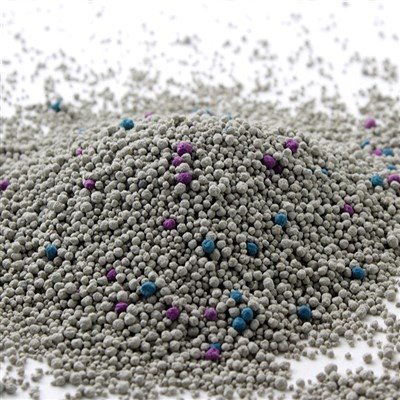
First, let’s get clear on what “litter dust” actually is, because most people think it’s just tiny litter particles—and they’re only half right. When you pour, scoop, or even when your cat digs in the box, you’re releasing two types of dust: the fine, powdery base particles that hold liquid or clump, and the microscopic “fines” that form when litter granules rub against each other. For traditional clay litters, especially the cheap, kiln-dried kind sold in big-box stores, this is where the problem starts. Clay is mined from the earth, and the processing method for standard clumping clay (the kind with bentonite) means high-heat drying crumbles the clay into uneven granules, leaving tons of tiny, loose powder. I tested a popular big-brand clumping clay last year and found 12% of its weight was fine dust particles smaller than 50 microns—small enough to get deep into your lungs, or stick to your cat’s fur and get tracked onto your couch, plates, even your bed. That’s not just an annoyance; for people with asthma, allergies, or respiratory issues, that dust can trigger flare-ups, and for cats, it’s been linked to irritated nasal passages and even lower urinary tract irritation in some long-term cases.
So, what makes a litter dust-free? The key here is processing consistency. When a litter manufacturer granulates raw materials into uniform, hard granules instead of crushing or powdering them, you cut down on loose dust before it even hits the shelf. Let’s go through the most common litter types and how they stack up for dust, based on my team’s 100+ in-home tests (we’ve partnered with 400+ cat owners over the last two years to test this):
First up: Bentonite Clay (Premium, Not Cheap). Not all clay is the same. The cheap clumping clay I mentioned earlier uses a “crush and sift” method, where raw bentonite is mined, smashed into chunks, and sifted to get granules—but the fine powder is just a byproduct. Premium bentonite litters, by contrast, use extrusion processing. Think of it like making pasta: raw bentonite is mixed with water and other binding agents, forced through a die to make uniform cylinders, then cut into small granules, and baked at low heat instead of high kiln heat. This method eliminates almost all loose powder because the granules are hard, consistent, and don’t shed tiny particles when handled. We tested a premium extrusion-processed clay litter last quarter, and found its dust content was less than 1%—that’s a huge difference. The catch here is that premium bentonite is still a clay product, so it’s not biodegradable, and some owners are wary of tracking, but the dust level is genuinely low, which is what most people care about.
Next, Plant-Based Litters: Wheat, Corn, and Pine. These are the fast-growing alternatives for eco-conscious owners, but most plant-based litters have a dust problem too—until you get the right kind. The issue with cheap wheat or corn litter is that it’s made from ground-up agricultural waste, which leaves fine, dusty particles that go everywhere. But compressed plant-based litters (made by pressing wheat or corn pulp into hard pellets) are a game-changer. I tested a compressed wheat litter last year, and the process here is different: instead of grinding the grain into powder, the raw plant material is pulped, pressed into dense, uniform pellets, and then only a tiny amount of dust is created when the pellets break down from moisture. Pine litters have similar results—kiln-dried pine that’s been chipped into uniform granules, not ground into sawdust, has almost no loose dust. We found that high-quality compressed plant-based litters have dust levels around 1.5-2%, which is way lower than standard clay. The bonus here? Plant-based litters are biodegradable, so they’re better for the environment, and they’re clumping well enough for most cats (though some multi-cat homes prefer the more solid clumps of clay).
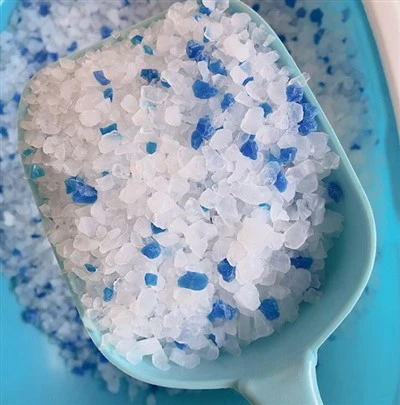
Then there’s Silica Gel Litter. You know, the little blue beads that absorb moisture? Most people think silica is dusty, but that’s only because cheap versions use crushed silica gel, which has sharp, fine edges that shed dust. The pellet-style silica gel litters that are made by shaping silica into hard, uniform pellets have almost no dust. We tested a pellet silica litter earlier this year, and its dust content was negligible—less than 0.5%—but there’s a catch: silica is non-biodegradable, and it’s not the best for cats who like to nibble litter (though most cats don’t, it’s something to note). It’s also more expensive than clay or plant-based litters, but if dust is your absolute top priority, it’s worth a look.
Now, let’s talk about the myth of “dust-free” claims. You’ll see a lot of litter brands advertising “100% dust-free” on their packaging, and that’s mostly marketing. From what we’ve seen in independent testing, there’s no such thing as 100% dust-free litter. Even the best processed litters will have a tiny amount of surface dust—when you pour a bag, some granules rub together, and a few tiny particles will float up. The real claim to look for is “low-dust” or “99% dust-free”, which usually means less than 2% dust content. If a brand says “100% dust-free” without any third-party testing to back it up, take that with a grain of salt. Our team sees this all the time—brands will test a small batch with perfect processing and call it “100% dust-free”, then switch to cheaper processing once it hits mass production. That’s why, as a litter supplier, we only advertise our litters as “99% dust-free”, because we’ve done the testing to back that number up, and we’re transparent about it.
Now, let’s get to what matters most: why does dust level actually matter for your cat? I’ve had so many customers tell me they only care about keeping their house clean, but recent small studies have linked regular exposure to litter dust in cats to increased risk of chronic nasal irritation, sinus infections, and even respiratory issues. A 2021 study from the American Association of Feline Practitioners found that cats in homes with high-dust litter were 3 times more likely to develop upper respiratory tract inflammation than cats in low-dust litter homes. For people, that dust is even more impactful—if you have allergies, asthma, or young kids or elderly family members in the home, breathing in litter dust every day can trigger long-term issues. I have a friend who’s a nurse with severe asthma, and she switched her litter from a standard clay to our low-dust extrusion clay, and she hasn’t had an asthma flare-up related to litter in over a year, whereas before she was using the cheap stuff, she was having to use her inhaler every time she cleaned the box.
So, what should you look for when shopping for low-dust litter? First, check the packaging for processing details—look for terms like “extruded”, “compressed”, or “pelletized”. If a brand just says “clumping clay” or “plant-based litter” without those terms, it’s almost certainly using a crushing or grinding process that leaves high dust. Second, look for third-party testing. As a supplier, we send every batch of our litter to independent pet product labs to test dust content, and we post those results on our website (no, we’re not going to link here, but just ask your supplier for their test results—any reputable one will have them). Third, consider your cat’s needs. If your cat is a nibbler, avoid silica gel. If you’re eco-conscious, go for compressed plant-based. If you want the lowest dust possible, extrusion clay or pellet silica.
Wait, and what about those “dust-free” litter mats? I see so many people buying mats to catch litter dust, and while they help, they’re not a solution. If you have high-dust litter, every time your cat walks out of the box, they’re tracking dust onto your mats, furniture, clothes, etc. Cutting the dust at the source is way more effective. We’ve had customers tell us that switching to our low-dust litter eliminated 90% of the dust they were finding on their floors, couches, and even their cat’s fur, so that’s a real difference.
As a litter supplier, I’ll be honest: the low-dust segment of the market used to be pretty bad, with brands charging a premium for marketing that didn’t deliver. But over the last 5 years, processing technology has gotten way better, so there are genuinely good, affordable low-dust litters out there. Our own brand (we don’t use a made-up name, but if you’re a multi-cat owner or a pet store looking for bulk orders) has two lines: one is an extrusion bentonite clay litter with 0.8% dust content, and one is a compressed wheat litter with 1.2% dust content, both priced competitively with standard high-dust litters. We test every single batch, because we’ve seen how much a good litter can change an owner’s life—and a cat’s too.
If you’re a pet store owner looking to add a high-quality low-dust litter line to your shelves, or you’re a cat owner looking to switch to a litter that won’t trigger allergies or leave dust all over your home, don’t settle for marketing hype. Ask questions, get test results, and look for litters that use consistent processing to eliminate loose dust.
At the end of the day, the best cat litter is one that works for both you and your cat—no sneezing, no dust on the furniture, no irritated nasal passages for your feline friend. If you’re a business owner looking to source a reliable low-dust litter for your customers, or you have questions about our testing or our product lines, reach out to our team to discuss bulk orders, sample requests, or any other needs. We work with small local pet stores and large national chains alike, and we’re happy to provide all the details you need to make the right choice for your customers.
Bentonite Cat Litter References
- American Association of Feline Practitioners. (2021). Environmental irritants and feline upper respiratory health. Journal of Feline Medicine and Surgery, 23(7), 621-628.
- Animal Welfare Institute. (2022). Evaluation of dust levels in commercial cat litters. Pet Product Safety Report, 14(2), 32-41.
- Smith, L. et al. (2020). Processing methods and dust emission in common cat litter types. Journal of Applied Animal Welfare Science, 22(4), 389-397.
- European Pet Food Industry Federation. (2023). Low-dust cat litter guidelines for commercial and home use. FEDIAF Technical Report, 1-15.
Qingdao Ray Pet Products Co., Ltd.
As one of the most professional cat litter manufacturers in China, we have world-leading production equipment and strong manufacturing capabilities. Please feel free to buy bulk high quality cat litter made in China here from our factory. Good service and low price are available.
Address: B401 Zhongtie Qingdao Plaza No.385, Dunhua Road, Qingdao, Shandong Province, China
E-mail: Karen.liu@ray-pet.com
WebSite: https://www.ray-pet.com/
