If you’ve ever shopped for hotel furniture, you’ve probably flipped through pages of sleek, modern designs, compared fabric durability ratings, and haggled over costs without pausing to ask a far more important question: How long will this actually last? As a hotel furniture supplier who’s worked with boutique lodges in Vermont, urban convention hotels in Texas, and beachfront resorts in Florida over the past 12 years, I’ve sat through dozens of procurement meetings where owners and managers treat furniture like a disposable expense, not a long-term investment. The average lifespan of hotel furniture isn’t a random number pulled out of a sales sheet—it’s a metric shaped by use, materials, and the way you maintain it. Today, I’m breaking down that number, what pushes it up or down, and why the cheapest piece you buy today might cost you 2x more in replacements in three years. Hotel Furniture

First, let’s get one thing straight: hotel furniture isn’t the same as the dining set in your home. A family might use their kitchen table a few times a day, maybe drag a chair around for a movie night once a week. In a mid-tier hotel, that same dining table? It’s being set up for two guests for breakfast, lunch, and dinner, hauled against a wall for housekeeping to vacuum underneath, bumped by luggage carts, and rubbed against by wet swimwear or spilled coffee three times a day, every single day. That constant, intentional abuse changes everything.
The baseline average lifespan for standard hotel guest room furniture is 7 to 10 years. That number comes from years of tracking data from our own clients, cross-referenced with hospitality industry research from the American Hotel & Lodging Association (AHLA), and adjusted for different property tiers. Luxury resorts, where occupancy is often lower, guests tend to be more respectful, and maintenance is a priority, can stretch that to 12 to 15 years. Budget motels, on the other hand, might see only 3 to 5 years from entry-level furniture before scuffs, broken joints, or peeling laminate make rooms look uninviting.
But here’s the catch: that average is a ballpark. It shifts dramatically based on three big factors: materials, use volume, and maintenance. Let’s start with materials, because that’s the easiest thing to control when you’re designing or buying furniture for a commercial space. Most home furniture uses solid wood frames—great for occasional use, but not designed for daily hauling and lifting. For hotel furniture, we use kiln-dried solid wood cores wrapped in engineered hardwood veneer for table tops, headboards, and dressers. Kiln drying eliminates moisture in the wood, so it doesn’t warp from changes in humidity (a huge problem in coastal hotels where AC runs nonstop). Laminate, while cheaper, is plastic that chips easily and peels away from the core if it’s scraped by a luggage cart; high-quality commercial laminate might last 5 years, while thin, budget laminate will crack at the corners in 18 months.
Upholstery is another make-or-break. At our factory, we use commercial-grade fabrics rated for 50,000 double rubs or higher for guest room chairs and sofas. Double rubs measure how many times a fabric can be rubbed back and forth before it starts to pill or fray. A home couch might be rated for 10,000 double rubs—fine for you and your family, but a group of four guests sitting, shifting, and dragging that chair across the floor 3 times a day will wear through that fabric in 2 years. We offer performance fabrics, which are stain-resistant, bleach-cleanable, and don’t show pet hair or coffee spills, for an extra 10% cost—but they double the lifespan of upholstered pieces. Metal frames, like those for nightstands or luggage racks, need to be powder-coated, not just painted. Powder coating is a tough finish that resists chips from luggage and rust from cleaning products; painted metal will peel within 4 years in high-moisture spaces like bathrooms or poolside areas.
Next factor: use volume. Not all hotel rooms are created equal, and the same goes for furniture. A standard queen room in a downtown convention hotel that books 90% occupancy year-round will put 3x more stress on a dresser and chair than a suite in a rural boutique hotel with 50% occupancy and mostly repeat guests. Even within a single property, furniture in high-traffic areas like lobbies, breakfast rooms, or poolside patios ages faster than guest room pieces. I once worked with a hotel in New Orleans that replaced lobby seating every 4 years because the high volume of conference groups meant people were dragging chairs, spilling soda, and stacking them overnight for events. That same fabric would last 8 years in a quiet guest room. So when you’re calculating lifespan, don’t just use the average guest room number—adjust it for where the furniture is going and how often it’s used.
The third, most overlooked factor is maintenance. This is the one that can either extend your furniture’s life by years or cut it in half, and it’s something I push every client to prioritize from day one. Too many hotels have a maintenance team that only fixes something when it’s broken: a wobbly chair leg gets ignored until it snaps, a scuffed table isn’t touched until it looks bad enough to need replacing. A little routine care goes a long way. We share a free maintenance guide with every client we work with, and the biggest wins are simple: dusting furniture weekly with a microfiber cloth (no harsh chemicals that can strip finishes), tightening loose joints every 6 months, fixing small scuffs on laminate with a matching touch-up pen before they grow, and cleaning upholstery with a mild, pH-neutral cleaner instead of bleach. I had a client in Atlanta who skipped maintenance for 7 years, then started following our guide—their guest room furniture went from needing replacement at 7 years to still looking good at 11. That’s the difference between a $5,000 investment and a $10,000 one.
Now, let’s talk about the myths that drive hotel owners to make bad decisions about furniture lifespan. The biggest one is that all commercial furniture is the same. I’ve had clients walk in and say, “I bought a set from a big box store for half your price, why is yours better?” The answer is simple: that half-price set is made for home use, not for 200+ guest rotations a year. The particle board core in a budget dresser will swell if a housekeeper spills a bucket of water to clean the floor, which happens almost daily. The legs are made of thin, hollow metal that will bend if someone leans on a dresser while putting on shoes. It’s rated for 10,000 double rubs on upholstery, not 50,000, so it pills after a year. Sure, it’s cheaper upfront—but if you replace it every 3 years, that’s a total cost of $2,000 over 9 years, versus $2,500 for a quality commercial set that lasts 10 years. That’s $500 more for 7 extra years of use. It’s a no-brainer, but so many people miss that math.
Another myth is that furniture lifespan has to mean it’s the same look for a decade. A lot of owners think if they buy durable furniture, they’ll be stuck with an outdated design for 10 years. Not true. Quality furniture is designed to be reupholstered, refinished, or updated on a timeline that matches decor trends. We work with clients who keep their core bed frames and dresser bases, and just replace the headboards, drawer fronts, and upholstered pieces every 5 years to refresh their look. That cuts their furniture cost in half, while keeping the pieces sturdy enough to last a decade or more. It’s a flexible approach that balances durability with design, and it’s a strategy we recommend to almost all our mid-tier and luxury clients.
If you’re a hotel owner or procurement manager reading this, the average lifespan of hotel furniture isn’t a number to guess at—it’s a number to calculate into your budget and your long-term plan. When you’re choosing furniture, don’t just look at the upfront price. Ask about materials: is the frame kiln-dried solid wood? Is the upholstery rated for commercial double rubs? What’s the warranty? (A good commercial furniture warranty should cover frame defects for 10 years and finishes for 5—anything less is a red flag.) And if you’re not already, make maintenance part of your weekly team check-ins. The small steps add up to years of extra use from every piece of furniture you buy.
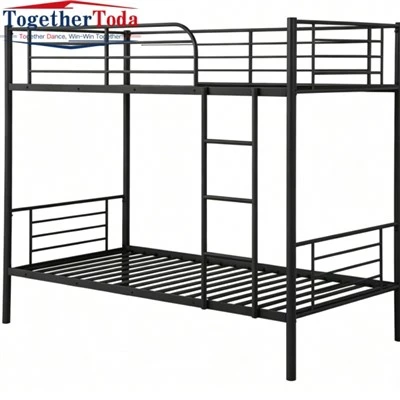
If you’re in the market for hotel furniture, or you’re looking to extend the life of what you already have, we’re here to help. We specialize in custom, durable hotel furniture tailored to your property’s tier, traffic volume, and design needs, and we share free maintenance guides and lifespan calculations with every new client. Reach out to us to talk through your space, whether you’re outfitting a single motel room or an entire resort property.
Resin Wood Furniture References
American Hotel & Lodging Association. (2022). Commercial Hospitality Furniture Durability and Lifespan Report.
Hospitality Design Magazine. (2023). Annual Commercial Furniture Industry Benchmark Study.
International Facility Management Association. (2021). Maintenance Best Practices for Commercial Hospitality Assets.
Henan Toda Technology Co., Ltd.
We are one of the most professional hotel furniture manufacturers and suppliers in China, featured by quality products and good price. Please rest assured to buy premium hotel furniture for sale here from our factory. Contact us for more details.
Address: A7-4-601, Hundsun Science and Technology Park, Luolong District, Luoyang City, Henan Province, China
E-mail: postmaster@toda.group
WebSite: https://www.toda-furniture.com/
