Hey there,
If you’ve ever dealt with a stuck pocket door, you know the frustration—you’re reaching for that handle, expecting it to slide smooth, and instead, it’s caught halfway, scraping the frame, or refusing to budge at all. Most people’s first thought is: Do I have to rip this whole thing out and replace it? And honestly? That’s what I used to assume too—until I noticed way too many folks were wasting money on full replacements when their door just needed a tiny, targeted fix. As a pocket door supplier who’s worked on these things for years, I’m here to break it down: yes, most pocket door issues are totally repairable—no demo required. Let’s dive into what’s actually going on, when you can fix it yourself, and when you should call in a pro (or reach out to us if you need replacement parts to make the fix happen). Pocket Door
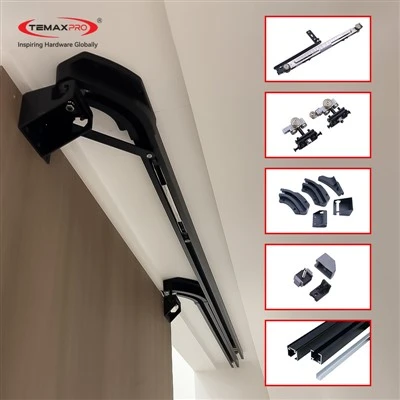
First, let’s get one thing straight: pocket doors are cool because they slide into the wall cavity, no swing space needed. But that design means their parts are hidden—so when something breaks, it’s easy to panic. The most common issues people face? Sticky doors, doors that come off track, handles that won’t latch, or doors that squeak like a broken bike chain. Let’s go through each one, and what you can do to fix ’em.
Sticky doors are probably the number one problem. You’ve got a door that moves a little, but not all the way, or it gets stuck at the same spot every time. 9 times out of 10, this isn’t a warped door—it’s dirt, debris, or misaligned track. Over time, dust, pet hair, even old paint chips build up in the bottom track, making it hard for the door’s rollers to glide. I’ve seen people try to spray WD-40 on this, but that’s a quick fix that attracts more gunk later. Instead, grab a screwdriver, pop the plastic cap off the bottom track (most are easy to pry off), and vacuum out all the crud. If the track is metal, a little soapy water on a rag will get rid of any rust or grime that’s not coming off with a vacuum. Once that’s clean, add a silicone lubricant (not WD-40—silicone is longer-lasting and won’t attract dust) to the rollers and track. That’ll make it slide way smoother.
If your door keeps coming off the track, that’s a bigger sign of misalignment, but still usually repairable. Pocket door systems have a top track too, right? The bottom track is what you can see, but the rollers hang from the top track inside the wall. Over time, the door can shift, so the rollers aren’t sitting right on the top track. To fix this, you’ll need to access the top track—usually by popping off the trim panel on the side of the wall where the door slides in (it’s a thin piece of wood or drywall, just gently pry it off with a putty knife). Once you’re in, look at the rollers: there’s an adjustment bolt on each roller, usually a hex head. Tighten those bolts a little bit (don’t overdo it—you don’t want to break the roller) to lift the door back into alignment. If the rollers themselves are worn out, that’s where we come in: we sell replacement rollers that fit most standard pocket door systems, so you don’t have to hunt for the right part. I’ve had customers tell me this fix took 10 minutes, saved them hundreds on a full door replacement.
Then there’s the handle issue. A lot of pocket doors have a latch that’s recessed into the door, so you have to press a button or slide a lever to open it. If that’s not working, it’s either a broken latch mechanism inside the door, or misaligned latch plates on the door frame. First, test if the door is stuck because the latch is engaged with the plate—slight misalignment here happens when the door shifts, so you can adjust the latch plate on the wall frame with a screwdriver. If that doesn’t work, you’ll need to remove the door from the track to get to the latch. Pop the door off the track (lift it up a little and pull it out) and take the handle off the inside of the door. Most latch mechanisms are just two screws holding them in place—if the latch is broken, replacement latches are easy to swap. Again, we stock these parts too, so you don’t have to run to a hardware store and hope they have the right size.
Now, when is a repair not possible? Well, if your door is warped really bad—like, it’s bent so much it doesn’t fit into the track at all—you might need a new door. Or if the wall cavity itself is warped or damaged, like water damage that made the studs or the track bow. That’s when a full replacement makes sense. But even then, you don’t have to start from scratch on everything. A lot of our customers replace just the door and keep the existing track, which saves money. We make sure our doors fit all standard pocket door tracks, so that’s a no-hassle swap.
Wait, let’s talk about something people don’t usually think about: old age. If your pocket door is 20+ years old, even small parts like rollers or latches are probably worn out. I’ve seen people keep a door going for decades with just part replacements, instead of a whole new system. That’s why when we talk to customers, we always ask how old their door is—helps us figure out if a repair will work, or if they need to upgrade.
Now, I know some of you are thinking: “I’m not handy, can I still fix this?” If you can handle a screwdriver and a vacuum, yeah—most of these small fixes are DIYable. If you’re not comfortable prying off trim panels or adjusting the top track, that’s when you call a handyman. But even then, most handymen will just need the right parts, which we can send to you quickly. We’ve had customers who tried to fix it themselves, messed up the track, then called us to get a replacement track and a handyman recommended by us—no stress.
Let me share a quick story: last month, a customer emailed us saying their pocket door to their home office was stuck, and they thought they had to cut a hole in the wall. They tried spraying WD-40, it just got worse. We asked them to check the bottom track—turns out their cat had been using it as a litter box (yikes) and the gunk had glued the rollers down. We sent them a new set of rollers and a can of silicone lube, and within an hour, that door was sliding like new. No wall cuts, no new door—just a little mess and a simple part swap. That’s the thing about pocket doors: most issues are super fixable, if you know what to look for.
I get it, pocket doors are confusing. The parts are hidden, so it’s hard to know where the problem is. That’s why we try to make it easy for folks to get the right parts, no guesswork. If you’re not sure if your door can be repaired, just reach out to us. We’ll ask a few quick questions (how old is the door, what’s it doing—stuck, won’t latch, comes off track?) and tell you if a repair is doable, or if you need to replace something. We don’t push full replacements unless that’s the only option—we’re here to help you save money and keep your existing door if you can.
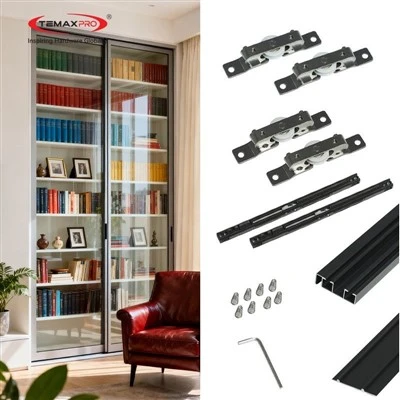
At the end of the day, a pocket door doesn’t have to be a big, expensive project when something goes wrong. Most of the time, it’s just a small part that’s worn, or a little debris clogging the track. You don’t have to demo the whole wall or buy an entirely new system. If you’re dealing with a stuck, squeaky, or misaligned pocket door, don’t write it off yet—check those easy fixes first, and if you need parts, we’ve got you covered. If you’re ready to get the right parts for your repair, or just want to chat through what’s going on, get in touch with us to start a conversation. We’re here to make pocket door issues easy to solve, no stress, no hidden costs.
Folding Door References:
- National Association of Home Builders. (2022). Pocket Door Maintenance and Repair Guide.
- American Society of Home Inspectors. (2021). Common Pocket Door Defects and Remedies.
- Pocket Door Manufacturers Association. (2023). Standard Replacement Parts for Residential Pocket Door Systems.
Shanghai Temax Hardware Co., Ltd.
As one of the most professional pocket door manufacturers and suppliers in China, we’re featured by quality products and good service. Please rest assured to buy bulk customized pocket door at competitive price from our factory. Welcome to contact us for quotation.
Address: Room 411, Building A, No.508 Chundong Rd.,Shanghai,China
E-mail: info2@cabinetaccessory.com
WebSite: https://www.shtemax.com/
