Let me start by saying this: I’ve spent the last 12 years on the floor, hand-measuring, adjusting, and troubleshooting dining chairs for formal spaces—so I’m not here to ramble about Pinterest aesthetics or generic “design tips” you’ll forget by next week. As a dining chair supplier who’s worked with small-town historical inns and big-city corporate boardrooms, I’ve learned that choosing the right formal dining chair isn’t just about looks. It’s about balancing function, heritage, and the quiet hierarchy that makes a formal dining room feel like more than just a place to eat. If you’re staring at a room blankly, wondering why the fancy table you splurged on feels disconnected, let’s cut through the noise and get to the real work. Dining Chair
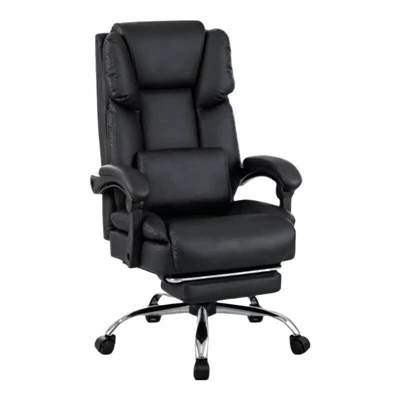
First, let’s talk about size—this is the non-negotiable foundation, and I say that because I’ve seen too many clients order chairs that are either so wide they scrap against table legs or so short guests’ knees knock on the table apron. Formal dining rooms aren’t casual kitchens, where you squeeze in extra chairs for game night. The space is intentional, tied to events: holiday dinners, business client meals, anniversary celebrations. A chair that’s the wrong size doesn’t just look off—it makes 10 pounds of ham feel like a burden.
Here’s the rule we share with every client, no exceptions. Measure the height of your table first—floor to the bottom of the tabletop (not the whole table). The gap between that bottom edge and the top of the chair seat needs to be 10 to 12 inches. That’s the sweet spot: enough room for thighs to tuck under, enough clearance for knees that won’t smash when someone leans in to pass the gravy. I’ve had a client with a 30-inch table (standard) order chairs with a 19-inch seat height—they had to prop dinner plates on a separate side table because no one could sit close enough to reach without stretching. Don’t do that.
Then seat width. For a standard rectangular formal table (6 to 8 feet long, for 6 to 8 guests), each chair needs 20 to 22 inches of width at the back. For round tables (common in formal spaces too, since they’re more intimate), each guest needs 24 to 26 inches of space around the table. That means a 60-inch round table holds about 4 guests, a 72-inch holds 6. If you cram 8 chairs around a 60-inch table, you’ll have guests sitting shoulder-to-shoulder, no room for a wine glass or a napkin ring. I once fixed a mistake for a client who’d done exactly that—we swapped two narrow side chairs for two slipper chairs at the ends, freeing up space and making the whole setup feel intentional instead of chaotic.
Now, shape. This is where a lot of suppliers skip the science, but shape matters for two reasons: symmetry for formality, and physical comfort for long sit-downs. The two most common formal dining chair shapes are armchairs and side chairs, and you usually want both. Armchairs at the ends of a rectangular table (called “head” and “foot” chairs) serve two purposes: they’re easier for people to slide into without banging their knees, and they signal those seats are for hosts or guests of honor. Side chairs along the sides are slimmer, so they don’t crowd the space.
Wait, but what about slipper chairs? Those are the low-arm, streamlined chairs you see in old New York townhouses. They’re perfect for formal spaces because they don’t block sight lines across the table—important if you have a grand centerpiece or a buffet sideboard on display. But here’s a tip: if you use slipper chairs, make sure their armrest height matches the seat height of your side chairs. You don’t want one guest with armrests that dig into their ribs and another with armrests that are too low to rest wine glasses on. For round tables, armchairs can work too, but only if the table is at least 60 inches wide—otherwise, they’ll stick out too far and make walking around the room awkward.
Next, material and durability. This is where most formal dining chair buyers get nervous: they think formal means fragile, leather that cracks, or fabric that stains if a red wine glass tips. But formal spaces don’t have to be hard on chairs—you just need to pick the right material for how you actually use the room.
Let’s start with wood. Solid wood is the gold standard for formal dining chairs, and for good reason. It ages beautifully, it can be refinished if a guest spills coffee or a candle wax drips, and it matches the heirloom quality of most formal tables. Softwoods like pine are too cheap and scratch too easily—stick to hardwoods: oak, maple, walnut, or cherry. Oak is great for traditional formal spaces because it’s durable and takes stain evenly. Walnut is for modern formal rooms, with a rich, warm tone that feels timeless. Maple is lighter, works for cottage-style formal rooms, and is less expensive than walnut or cherry. I always tell clients to skip veneers for formal chairs—they scratch through easily, and when you refinish them, the veneer peels off. Solid wood chairs will last 50 years if you take care of them; veneers will need replacing in 10.
Fabric is the next big one, and it doesn’t have to be a liability. For formal dining chairs, I recommend performance fabric. It’s not the scratchy stuff you remember from your grandma’s sofa—modern performance fabrics are soft, stain-resistant, and look luxurious. Microfiber is great for a plush, traditional feel, and it’s easy to wipe up spills. Linen is beautiful, but it wrinkles easily and stains—only use it if your formal dining room is used for very special occasions, not weekly dinners. Leather is another option: top-grain leather is durable, ages with a patina, and works for modern or traditional formal spaces. Split leather is cheap and cracks in a few years—always go full-grain top leather.
Now, style. This is where it gets fun, but it’s also where people overcomplicate things. Formal dining rooms are meant to feel consistent with your home’s architecture and the vibe you want. Let’s break down the most popular styles, and who they work for.
Traditional formal: Think Queen Anne or Chippendale style. These chairs have curved backs, cabriole legs (the curved legs that look like animal paws), and intricate carvings. They’re perfect if your home has crown molding, wainscoting, or a fireplace in the dining room. But here’s a note: don’t get over-carved chairs. Too many details make the room feel cluttered, not formal. A simple Queen Anne chair with one small carved detail on the leg is enough. I work with a lot of clients who have 1920s colonials, and these chairs fit perfectly because they match the home’s heritage.
Modern formal: Mid-century modern or contemporary. Mid-century chairs have tapered legs, slimmer backs, and simple lines. They’re great for open-concept formal dining rooms, where the space is connected to a living room or kitchen. They feel less stuffy than traditional chairs, but still formal enough for events. Contemporary chairs are even simpler—flat backs, metal or wood frames, no extra details. They work for lofts, minimalist homes, or anyone who doesn’t want a room that feels like a museum. I recently had a corporate client who needed formal chairs for their boardroom, and mid-century modern ones were perfect because they fit the sleek, professional brand, but still felt formal enough for client meetings.
Transitional: A mix of traditional and modern. This is the most popular style right now, because it works for almost any home. Transitional chairs have simple lines, but subtle details (like tapered legs instead of cabriole, or a slightly curved back) that add warmth without being old-fashioned. They’re great if you want a formal room that’s not too stuffy, but still elegant. I sell more transitional chairs than any other style—they fit in with farmhouse, industrial, and even traditional home decor.
Wait, but let’s talk about a common mistake: matching exactly. A lot of clients think all their chairs have to be identical. That’s not formal—that’s boring. For a rectangular table, I recommend two armchairs at the ends and four side chairs along the sides, even if they’re slightly different styles. Or, if you have a round table, use chairs that have the same finish but different back styles to add interest. A few years ago, a client brought me a set of oak dining chairs from the 1950s, and they loved them, but wanted to add two more. We found chairs with the same oak finish and a very similar line, so they blended in perfectly, and no one could tell they weren’t from the original set. That’s the trick: same material, same finish, subtle variations in style to keep the room from feeling too uniform.
Comfort is the final piece, and it’s the one that separates a chair you’ll use once a year from one you’ll love every day. Formal dining chairs shouldn’t feel like wooden boards. The seat should be at least 1 inch thick with a cushion—2 inches is even better. The back should have a slight curve to support the spine, not be perfectly straight (that’s bad for long sit-downs). I always test the chairs myself when I get a new shipment—if I can’t sit in them for 20 minutes without getting a back ache, they’re not right for a formal dining room. A big mistake I see is chairs that are too low or too high, even if they fit the table height. Even with the right gap, if the seat is too firm, you’ll be uncomfortable. Performance fabric or leather with a cushion is the fix here—they add softness without being fragile.
Now, let’s tie this all together with a quick checklist, so you don’t forget anything. First, measure your table: table height minus seat height should be 10-12 inches. Second, count your space: 20-22 inches per side chair, 24-26 inches per round table guest. Third, pick wood: solid hardwood, skip veneers. Fourth, style: match your home’s architecture, mix arm and side chairs for rectangular tables. Fifth, comfort: seat cushion 1-2 inches, curved back.
At the end of the day, choosing the right formal dining chair isn’t about following trends. It’s about making a space that works for you, where guests can sit for hours, talk, eat, and make memories. If you’re ready to pick chairs that fit all these rules, I’m here to help. We work with residential clients, interior designers, and commercial spaces, and we offer custom sizing, finishes, and fabrics to make sure your chairs are exactly what you need. Don’t settle for chairs that look good in a photo—get ones that feel right in your room.
If you’re ready to discuss your project, connect with our team to walk through your space, ask questions, and find the perfect chairs for your formal dining room.
Functional Sofa References:
- National Kitchen & Bath Association. (2022). Dining Space Dimensions & Guidelines. NKBA Standards and Practices Manual.
- Interior Designers of America. (2021). Formal Dining Room Furniture Selection: Balancing Aesthetics and Function. Professional Design Journal.
- American Hardwood Information Center. (2023). Solid vs. Veneer Wood Furniture: Durability and Care Guide. Hardwood Industry Research Report.
- Kitchen Cabinet Manufacturers Association. (2022). Seating Comfort in Formal Dining Spaces. Residential Furnishings Research.
Huzhou Xiasen Import and Export Co., Ltd.
Huzhou Xiasen Import and Export Co., Ltd. is one of the most experienced dining chair manufacturers and suppliers in China, also supports customized service. We warmly welcome you to buy durable dining chair in stock here from our factory. If you have any enquiry about pricelist, please feel free to email us.
Address: Room 701-9, No.70, Wulipai Road, Wukang Subdistrict, Deqing County, Huzhou City, Zhejiang Province
E-mail: shinesunyoungcai@163.com
WebSite: https://www.shinesun-household.com/
