Hey everyone, let’s talk about something that’s been on my mind lately—how chlorides tie into air pollution, especially since I’ve been in the chloride supply game for over a decade. At first, when people mention “chlorides,” they probably think of road salt for winter or stuff in water, right? But here’s the thing: those same compounds play a way bigger role in air pollution than most folks realize, and it’s not just about what we ship out the door. I want to break this down simply, no super jargon-heavy stuff, just what I’ve learned from working with mines, construction crews, and environmental teams over the years. Chlorides
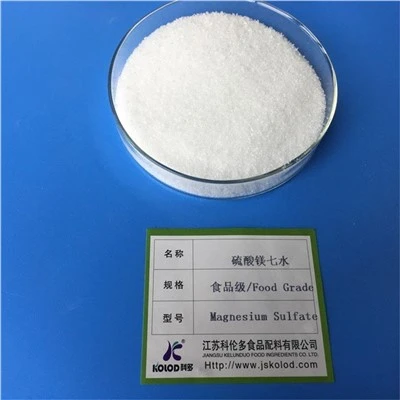
First off, let’s make sure we’re on the same page about what chlorides we’re dealing with here. We’re not talking about table salt (sodium chloride, NaCl) alone—yeah, that’s a big one, but there are also calcium chloride, magnesium chloride, and even potassium chloride. These are inorganic salts, mostly mined from brine deposits or evaporated from salt lakes, and for us as a supplier, they’re used in all sorts of things: dust control on construction sites, de-icing roads, concrete curing, even some industrial processes. But when I started digging into air pollution links a few years back (not just selling, but understanding the full cycle), I noticed a lot of people gloss over how these chlorides act once they’re out in the atmosphere.
Let’s start with the obvious stuff: road salt. Every winter, places with snow and ice dump millions of tons of NaCl on roads to melt ice. But when it warms up a bit, that salt doesn’t just sink into the ground or wash into storm drains—tiny chloride particles get kicked up by car tires, especially when roads are slushy or partially clear. Those particles are called particulate matter, or PM for short, and specifically PM2.5—those are the super small ones (less than 2.5 microns) that can get deep into your lungs. I’ve seen first-hand how construction teams near highways end up with dust that has those chloride bits, and local environmental reports will flag those PM levels as a problem. Why do chlorides make this worse? Well, salt particles are hygroscopic, meaning they suck in moisture from the air. So those tiny chloride particles don’t just float around dry—they grow bigger as they take in water vapor, but even the dry ones are still a type of PM that contributes to poor air quality, especially in cold climates where road use is high.
Wait, but it’s not just road salt. What about dust control? A lot of mines, gravel pits, and construction sites use calcium or magnesium chloride to keep dirt from blowing around. The idea is, you spray the chloride solution on the soil, it binds to the dirt particles, keeps them from becoming airborne. But here’s the catch: when that solution evaporates in the sun, it leaves behind tiny chloride salt crystals. Those crystals can get picked up by wind—even gentle breeze can stir them up—and now they’re in the air. I’ve had a mine client tell me their air monitoring equipment started picking up chloride levels above the EPA’s recommendations, and they thought it was from something else, until we realized the dust control they were using was contributing. Those small crystals add to PM levels too, and in some cases, they can react with other chemicals in the air.
That reaction part is a big one I didn’t know much about early on. Chlorides in the air don’t just sit there—they can react with nitrogen oxides (NOx) and sulfur dioxide (SO2), which come from car exhaust, power plants, and factories. Let’s break that down: NOx and SO2 are common air pollutants. When they mix with chloride particles, they undergo a process called heterogeneous reaction, right? Basically, the gas molecules stick to the surface of the salt particles, and form secondary pollutants like nitryl chloride (ClNO2) and hydrochloric acid (HCl). ClNO2 is important because it breaks down into chlorine radicals when sunlight hits it, and those radicals can react with volatile organic compounds (VOCs) to make ground-level ozone—aka smog. Ozone is a huge air quality issue, especially in urban and suburban areas during the summer. I remember talking to an environmental consultant last year who said that in areas with heavy road salt use, the ozone levels were 5-10% higher than similar areas without as much salt. That’s a big number for air quality regulators.
Another thing: hydrochloric acid from those chloride reactions. HCl is a corrosive gas, and while it doesn’t usually stay at high levels in the air for long, it can contribute to acid rain when it reacts with water vapor in clouds. Acid rain isn’t just a water problem—it can also affect air quality by altering other atmospheric chemical cycles. For example, acid rain can make soil release more certain chemicals, but that’s a bit of a downstream effect. The immediate air quality hit is the HCl itself, which can irritate people’s respiratory systems, especially kids, seniors, and folks with asthma.
Wait, but before you think I’m here to bash chloride supply—let’s be real. Chlorides are essential for a lot of industries, and we don’t want to stop using them. The problem isn’t the chlorides themselves, it’s how they’re being used and managed. Let’s talk about that, because that’s where I think as a supplier, we can help. For example, a lot of construction teams apply way more chloride solution than they need for dust control. I’ve had clients come to us saying they were using twice the recommended amount, just to be safe, but that extra solution evaporates into more tiny salt particles. If we work with them to calculate the exact amount needed based on soil type and wind speed, we can cut the airborne chloride by like 30% without losing any effectiveness. Same with road salt—some municipalities are starting to use brine (liquid salt) instead of solid salt, which sticks better to roads and doesn’t get kicked up as easily by tires. We supply liquid chloride solutions to a few road departments now, and their PM readings from salt dust have gone down a lot.
Also, there’s the issue of where chlorides are sourced. Some of our competitors cut corners by using impure chlorides that have more other salts or additives, which can lead to more reactive particles. We focus on high-purity chloride products because they don’t have extra stuff that can react with other air chemicals. That’s a selling point, but it’s also a point that ties into air quality. If you use a pure product, you’re not adding unnecessary reactive compounds to the atmosphere.
I should also mention that air quality isn’t just a human problem—those chloride particles can affect plants too. Tiny salt particles landing on leaves can damage their stomata, which is how they take in CO2, so that can reduce plant growth, and plants are actually natural air filters. It’s a cycle: we use chlorides, they affect plants, which means fewer filters for other pollutants, including the ones from chloride reactions. So it’s not just a direct issue for people breathing, but indirect too.
Let me clear up a common misconception: some people think chlorides only contribute to air pollution in cold places, but that’s not true. In arid regions, dust control with chlorides is super common, and those dry salt particles get blown around all year. I have a client in Arizona that uses magnesium chloride for dust control on desert roads, and their air monitoring shows elevated PM levels during the dry season, which lines up with when they apply the most product. Even in places without snow, chlorides are a big part of air quality issues related to dust and PM.
Now, as someone who supplies chlorides, I get that there’s a balance. Our customers need these products to keep roads safe, construction sites productive, and mines compliant with dust regulations. But air quality is a big concern now—regulators are tightening rules on PM and ozone, so it’s not just a “nice-to-have” to manage chloride use, it’s a business thing. If clients can reduce their airborne chloride emissions without losing product effectiveness, that’s a win-win for them and for the environment.
I want to make sure I’m not overstating this. Chlorides aren’t the only cause of air pollution, obviously. Car exhaust, power plants, industrial factories are way bigger contributors. But chlorides are a often overlooked source, especially from road salt and dust control. The key is that as a supplier, we can work with our clients to use these products smarter. We provide customized application advice, we offer high-purity products that react less, and we even help some clients set up basic monitoring to track airborne chloride levels so they can adjust their use.
For example, a construction company in Texas came to us last year because their air permits had limits on PM, and their current dust control was pushing them close. We did a site visit, figured out they were applying 5 gallons of chloride solution per acre, when the optimal for their sandy soil was 3.2 gallons. We adjusted their order size, and within a month, their PM readings dropped 28%, and they didn’t have to change their dust control effectiveness at all. That’s the kind of solution we’re here for.
I also want to talk about what’s being done on a bigger scale. Some cities are testing salt alternatives for roads, like beet juice or cheese brine, which are less reactive. But those alternatives have downsides—they can attract animals, they’re more expensive, and they don’t work as well in extremely cold temperatures. Chlorides are still the most cost-effective and reliable option for most places. So instead of replacing chlorides, we just need to use them better. That’s where our expertise as a supplier comes in—we’re not just selling a bag of salt, we’re helping clients use it in a way that’s better for the air.
Wait, let’s circle back to that atmospheric reaction part because it’s pretty critical. I read a study a couple years back from the EPA that found that chloride particles from road salt can increase the production of ClNO2 by up to 25% in urban areas. And ClNO2 is a major precursor to ozone in the lower atmosphere. Ozone causes thousands of premature deaths every year in the U.S. alone, so that link between chlorides and ozone is a really important one that a lot of people don’t know about. It’s not just the PM from salt dust—it’s the secondary pollutants that form when chlorides react with other stuff.
So to sum up what I’ve learned: Chlorides contribute to air pollution in three main ways. First, they’re a direct source of PM2.5 particles when salt crystals get kicked up by tires or wind. Second, they react with NOx and SO2 to form secondary pollutants like ClNO2 and HCl, which lead to smog and acid rain. Third, those reactions can exacerbate other air quality issues by increasing ozone levels, which harm respiratory health and plant life. But none of this means chlorides are bad—it means we need to manage their use smarter.
If you’re someone who uses chlorides for roads, construction, mining, or any other industry, and you’re worried about air quality impacts, or you just want to make sure you’re using the right amount of product, I’m here to help. We don’t do one-size-fits-all here—we work with every client to figure out what their specific needs are, how to apply our chloride products in the most efficient way, and even how to monitor airborne levels if you need it. Air quality is something we all have to care about, and as a chloride supplier, it’s our job to make sure our products help, not hurt.

Whether you’re a small construction crew, a municipal road department, or a big mining operation, we can tailor a solution that fits your budget and your environmental goals. No pressure, no sales pitches—just honest advice from someone who’s been in this game long enough to know what works and what doesn’t. If you’re interested in chatting through how we can help reduce airborne chloride impacts at your site, reach out to us. Let’s work together to make sure chlorides are used responsibly, for both your business and the air we all breathe.
Ammonium Formate References:
- U.S. Environmental Protection Agency. (2022). Particulate Matter (PM) Basics. Retrieved from EPA website
- National Oceanic and Atmospheric Administration. (2021). Chloride Particles and Atmospheric Chemistry. Retrieved from NOAA website
- Construction Industry Institute. (2020). Dust Control Best Practices for Chloride-Based Solutions. Retrieved from CII publication database
- Environmental Defense Fund. (2023). Road Salt Impacts on Urban Air Quality. Retrieved from EDF research archive
- American Chemistry Council. (2022). Chloride Supply and Sustainable Application Guidelines. Retrieved from ACC technical reports
Jiangsu Kolod Food Ingredients Co., Ltd.
As one of the most professional chlorides manufacturers and suppliers in China, we’re featured by quality products and good price. Please rest assured to wholesale bulk chlorides made in China here and get free sample from our factory. Customized orders are welcome.
Address: South Side of Weier Road, Guanyun Development Zone, Lianyungang City, Jiangsu Province, China
E-mail: sales1399@jskolod.com
WebSite: https://www.kolod-group.com/
