If you’ve ever relied on a screw pump to keep your operations running—whether it’s moving viscous food products, handling industrial lubricants, or transferring chemicals—you know how crippling an unexpected malfunction can be. As a screw pump supplier, I’ve spent over a decade walking customers through these exact headaches: a line that won’t prime, pressure that drops out of nowhere, or strange noises that make you pause mid-shift. I’ve seen operators skip basic checks because they assume a pump either works or needs to be replaced, and I’ve also fixed dozens of pumps that just needed a 10-minute troubleshooting step no one thought to try. Today, I’m sharing the step-by-step process I teach every new customer, tailored specifically to screw pumps—because their design (two or three intermeshing screws turning in a tight housing) means malfunctions often follow predictable patterns, not random luck. Screw Pump
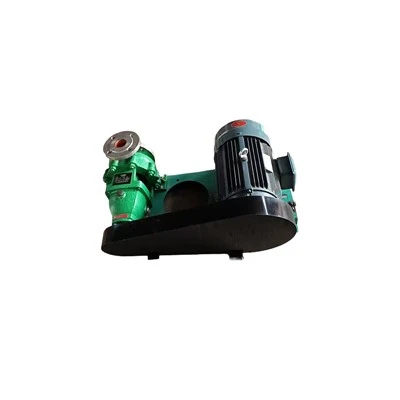
Let’s start with a truth: most screw pump issues don’t require pulling the entire pump apart. I once had a food processing plant operator call me at 6 a.m. panicking because their 3-inch progressive cavity screw pump wasn’t pumping chocolate syrup—they’d already called a repair service who wanted to charge them $800 to drive out that day. I walked them through three quick checks before they even opened the pump, and we fixed it in 12 minutes. That’s the kind of win I want every customer to have, so we’re going to build this troubleshooting guide to start with the easiest, fastest fixes and move to more involved steps only when needed.
Before we dive in, a quick note about safety: always lock out and tag out your equipment before working on the pump, even for a quick check. Screw pumps handle high pressure and heavy fluids, and even a powered-off pump can have residual pressure that’ll surprise you if you don’t take that basic step. I can’t stress that enough—every one of my service team leads has a story of a near-miss from skipping lockout, so it’s non-negotiable.
First, let’s tackle the most common complaint I hear: the pump won’t prime, or it’s delivering little to no flow. This is the number one malfunction for screw pumps, especially when they’re used for suction lift applications (moving fluid from a tank lower than the pump itself). Let’s work through this logically:
- Check the suction side first. Screw pumps rely on a tight seal on the suction side to create the low pressure that pulls fluid into the housing. If there’s an air leak anywhere, the pump can’t build that vacuum. Start with the suction flange: make sure the bolts are tightened evenly (not just cranking one side tight, which can warp the flange and create a gap), and that the gasket isn’t torn or misaligned. I’ve seen operators use old pipe tape that’s frayed on the suction flange—this is a killer, because the frayed bits leave tiny gaps air can sneak through even if you think the seal is good. Next, check the suction strainer. A clogged strainer is so common, and it’s easy to skip because you assume it was fine last time you ran the pump. If you’re pumping sludge or thick fluids, the strainer can catch debris that builds up over days or hours of operation. Last, check the fluid level in the source tank. If the suction line is below the fluid level, you’ll get consistent flow, but if the level drops below the suction inlet, air will start entering the line. I had a agricultural customer a few months back lose a whole day of pumping fertilizer because a valve on the tank had been closed partially, and the fluid level dropped just below the inlet—simple oversight, easy fix once you check.
If the suction side checks out, move to the pump itself. Screw pumps need to be filled with fluid before they’re started (this is called “flooded priming”) for many applications, especially when you’re dealing with thin fluids or long suction lines. If you tried to start the pump dry, the seals and screws would spin against each other without lubrication from the fluid, which can cause damage fast. If you’re unsure, you can pour a small amount of compatible fluid into the suction port (after locking out the pump, of course) before restarting—this will lubricate the screws and help create that initial seal. One thing to note: don’t use water if you’re pumping oil-based products, as this can contaminate the fluid and cause issues later.
Next, let’s talk about another super common issue: fluctuating discharge pressure, or pressure that spikes too high unexpectedly. This is different from flow issues because it’s often a sign of a problem with the discharge side or internal wear, not just suction. Start with the discharge line. If the discharge valve is partially closed, that will create backpressure that makes the pump’s pressure fluctuate. I once had a customer trying to pump molasses to a 100-foot tank who noticed their pressure bouncing between 80 and 120 PSI—they’d closed the discharge valve a quarter turn to “adjust flow” instead of using a bypass line, which is the correct way to throttle flow on a screw pump. Partial valve closure is a bad idea because it creates turbulent flow that wears the screws and housing faster, so always use a bypass or variable speed drive to adjust flow, not the discharge valve. If the valve is fully open and pressure is still fluctuating, check for a clog in the discharge line. A partial clog will cause pressure to rise, then drop as the pump moves the clog, creating that up-and-down pattern.
If the line is clear, it’s time to check internal components—though this is still simpler than pulling a full pump overhaul. For pressure fluctuations, the most likely culprit is worn screw tips or a damaged housing liner. Screw pumps have very tight clearances between the intermeshing screws and the housing, usually between 0.002 and 0.005 inches, depending on the model. When those clearances grow because of wear, fluid can slip back from the high-pressure discharge side to the low-pressure suction side, causing pressure to drop unexpectedly. You can check this without pulling the entire pump apart, by disconnecting the suction and discharge lines and turning the drive shaft by hand (with the pump powered off and locked out). If it feels smooth for a full turn, the clearances are likely good. If it sticks or has “dead spots” where it turns harder, that could mean the screws are warped or the housing is scored. Another quick check: look at the mechanical seal on the drive end of the pump. If you see seepage of process fluid or lubricant, that can cause pressure loss, because the seal is supposed to prevent fluid from leaking past the drive shaft into the motor housing. A small amount of seal leakage (called “drip leakage”) is normal for some pumps, but a steady stream means the seal is failing and needs to be replaced.
Now, let’s cover the noisy pump—this is a complaint that’s often mistaken for a “major breakdown,” but it’s almost always a warning sign you can catch early. Screw pumps are designed to run quietly, even with thick fluids, so if you hear grinding, rattling, or high-pitched squealing, don’t ignore it. The first check is the drive coupling. The coupling connects the pump shaft to the motor shaft, and if it’s misaligned or has broken teeth, that will create a loud, rhythmic grinding noise. Alignment is critical for screw pumps—even a 1/32 inch misalignment can cause excessive wear on the screws and bearings over time. You can check alignment with a simple dial indicator, or if you don’t have one, the “straight edge” method: lay a straight edge across the motor and pump shafts, and check if there’s a gap between the edge and both shafts at the top and bottom, sides, and middle. If there’s an uneven gap, you’ll need to adjust the motor mounts. Another common noise culprit: cavitation. This is when the pump pulls fluid so hard that small vapor bubbles form in the suction line, then collapse when they reach the high-pressure discharge side, creating a loud popping or banging noise. Cavitation is almost always from suction side issues—low fluid level, clogged strainer, or air leaks—and if left unaddressed, it can pit the screws and housing, causing permanent damage. I’ve seen cavitation turn a $5,000 pump into scrap in less than six months because the operator ignored the noise.
Once you’ve worked through these initial checks, if the problem is still there, it’s time to move to more thorough internal inspections. This is where having a qualified technician comes in, but as a supplier, I always recommend customers avoid unneeded overhauls. For example, if you suspect wear, we can provide a wear gauge to measure clearances on your specific pump model, instead of assuming you need to replace the whole screw set. We also offer inspection kits for most of our screw pumps, which come with step-by-step guides to disassemble, check components, and reassemble without specialized tools.
A lot of first-time screw pump users assume that any malfunction means they need a brand new pump, but that’s rarely the case. I once had a pharmaceutical customer who thought their pump was dead because it wouldn’t flow, only to find that a small piece of packaging had gotten stuck between two screws—all it took was removing the pump cover and fishing out the debris. The key difference with screw pumps, compared to other pump types like centrifugal pumps, is that their simple intermeshing screw design makes it easy to access the internal parts for quick checks. That’s why our troubleshooting process is built around leveraging that design, not overcomplicating it.
Let’s also talk about prevention, because the best troubleshooting is solving issues before they start. Most of the malfunctions I see are from lack of basic maintenance: not checking strainers regularly, not aligning couplings every quarter, or not monitoring fluid viscosity changes (if you’re pumping a fluid that thickens over time, you may need a larger pump or different speed). We provide all our customers with a free maintenance schedule tailored to their application, which includes monthly checks of suction lines, weekly seal inspection, and quarterly alignment checks. We also offer 24/7 support for any urgent issues, so you don’t have to wait for business hours when your pump goes down during a critical run.
If you’ve tried all the steps above and your screw pump is still malfunctioning, or you just want to confirm you’re doing these checks correctly, the best next step is to reach out to our team. We work with facilities of all sizes, from small food processing plants to large chemical manufacturing sites, and we can help you diagnose the issue over the phone, send a video guide for quick checks, or arrange for a technician to come on-site if needed. We don’t believe in pushing new pumps when a simple repair will fix the problem—our goal is to help your operations run smoothly, not make extra sales. Whether you’re dealing with a pump that won’t prime, fluctuating pressure, or strange noises, we’re here to guide you through every step.
It’s important to note that every screw pump is designed for a specific application, so always refer to your pump’s original manual for model-specific details—for example, some progressive cavity screw pumps have different clearance tolerances than multi-screw pumps for high-pressure applications. But the core steps I’ve shared apply to nearly all screw pumps, from our standard general-purpose models to our heavy-duty industrial units. We design our pumps with easy maintenance in mind, because we know that downtime costs you money, so every part is accessible and easy to service without specialized equipment.
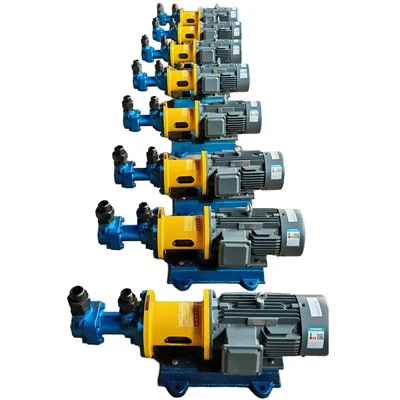
If you’re ready to talk through your specific pump issue, or you’re looking to upgrade your current setup to reduce future malfunctions, don’t hesitate to connect with our team. We’ll walk you through the troubleshooting process, answer any questions, and help you find a solution that fits your needs, no matter how big or small.
Diaphragm Pump References
- Gulich, J. F. (2010). Centrifugal Pumps: Design and Operation. Springer.
- Karassik, I. J., Messina, J. P., Cooper, P., & Heald, C. C. (Eds.). (2007). Pump Handbook (4th ed.). McGraw-Hill.
- American Petroleum Institute. (2018). API Standard 674: Positive Displacement Pumps, Reciprocating and Rotary. API Publishing Services.
- Ramamurthy, A. V., & Kar, S. (2005). Fluid Machinery: Performance, Analysis, and Design. CRC Press.
Botou Hengyang Pump & Valve Co., Ltd.
With abundant experience, we are one of the most professional screw pump manufacturers and suppliers in China. Please feel free to buy high standard screw pump made in China here and get pricelist from our factory. All customized pumps are with high quality and competitive price.
Address: No. 159, Road 1, Development Zone, Botou City, Cangzhou, Hebei Province, China
E-mail: bthdbf@163.com
WebSite: https://www.hyoilp.com/
