Hey folks, let’s cut to the chase: if you’re a plumber, pipeline contractor, or anyone who’s ever had to make a watertight, long-lasting pipe joint, you know electrofusion fittings are non-negotiable. But here’s the thing—most people never stop to ask what they’re actually made of. As a supplier who’s been in this game for years, I get it: you just need joints that don’t leak, hold up to pressure, and skip the headaches. But today, I’m breaking down the materials behind these fittings like I’d chat with a buddy over a coffee, no fancy jargon, no corporate fluff. Electrofusion Fittings
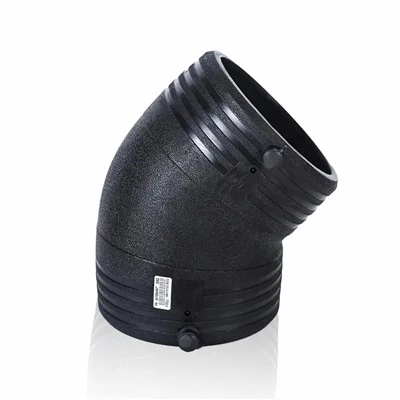
First off, let’s start with the big one: HDPE, or High-Density Polyethylene. This isn’t your flimsy grocery bag plastic, by the way. It’s the workhorse of electrofusion fittings, and for good reason. Why HDPE? Let’s be real—pipe systems take a beating. They’re buried underground, exposed to UV light (if used above ground), sit in cold concrete, and carry everything from potable water to wastewater, chemicals, even slurries. HDPE checks every box here. It’s tough but flexible, so it bends under pressure instead of cracking. It’s corrosion-resistant—no rust, no pitting, which is a huge win compared to metal fittings that can degrade in a few years. And here’s the key part for electrofusion: it melts at a consistent temperature, which is non-negotiable for that fusion bond. If the material melts too fast or too slow, you get a weak joint, and that’s when leaks happen. We use a specific grade of HDPE, too—nothing off the shelf. It’s food-safe for potable water lines, meets all ASTM standards, and has that perfect molecular structure to fuse cleanly.
Wait, but hold on—what about those metal inserts inside? Oh right, you can’t see ’em, but every electrofusion fitting has a metal core: the heating element. That’s where the magic happens when you plug in the fusion machine. You need a metal that conducts heat evenly, doesn’t corrode, and sticks well to HDPE. We use copper, specifically. Copper conducts heat way better than aluminum or steel, so it heats up consistently across the entire element, no cold spots. Cold spots = bad fusion. Also, we coat the copper inserts, usually with a thin layer of something like zinc or even a special polymer, so it doesn’t rust inside the fitting. If copper rusted, that would contaminate whatever you’re carrying—potable water, chemical lines, all that. So the coating is key here to keep both the joint strong and the contents safe.
Now, let’s get into the lesser-known stuff that makes the fitting actually work, not just sit in a box. The end caps, the parts that slide over the pipe and seal when you fuse? Those are also HDPE, but a slightly different grade than the main fitting body. Wait, why? Because when you slide the fitting onto the pipe, you need that HDPE to grip the outside of the pipe, right? If it’s too soft, it slips; too hard, it cracks when you push it on. We tweak the molecular weight a tiny bit to get that perfect stiffness-to-grip ratio. Also, we add a small amount of carbon black to a lot of our HDPE compounds—no, not just for color. Carbon black protects the HDPE from UV light if the fitting’s going to be exposed above ground. Sunlight breaks down plastic over time, so carbon black acts like sunscreen for the material, extending the fitting’s life by decades. That’s a detail a lot of suppliers cut corners on, but it’s non-negotiable for our team.
Wait, let’s address the elephant in the room: are there any other materials? Occasionally, you’ll hear about PP-R (Polypropylene Random Copolymer) fittings, mostly for smaller, cold-water residential systems. PP-R is similar to HDPE, but it has a higher melting point, so it’s good for temps up to around 180°F, which is fine for hot water heaters or residential supply lines. But for industrial pipelines, gas lines, or any high-pressure application? HDPE is still the go-to. We carry both, obviously—got to cover all our clients’ needs. But I’ll be straight with you: if you’re running a main water line or a gas pipeline, PP-R just doesn’t have the impact resistance or long-term pressure rating that HDPE does.
Now, let’s talk about why material quality matters so much. A lot of fly-by-night suppliers will cut corners here, right? They’ll use cheap HDPE with inconsistent molecular structure, or copper inserts that are too thin, or no carbon black. What happens then? You get a fusion joint that doesn’t set all the way. A year later, a tree root grows into the pipe, or pressure spikes, and the joint blows. I’ve seen it too many times—contractors who went for the cheaper fittings, ended up digging up an entire line, losing work, upset customers. That’s why we’re picky about our materials. We source HDPE only from mills that meet ISO 4427 standards, the global benchmark for polyethylene pipe and fittings. The copper inserts come from suppliers that test every batch for conductivity, no impurities. We even do small sample tests in-house before a batch hits the shelf—melt the HDPE, check the heat distribution on the copper, make sure the seal is tight.
Wait, let’s bust a myth here: some folks think electrofusion fittings have metal for strength, but that’s not the case. The strength comes from the fusion bond—when the melted HDPE of the fitting and the pipe mix molecules, not just stick to a surface. The metal is just the heat source to make that fusion happen. If the material is bad, even the best copper insert won’t save a bad joint. I’ve had a client bring in a cheap fitting last year—we cut it open, and the HDPE was so low quality, the molecules barely bonded to each other, let alone the pipe. It was like a layer of plastic that would peel right off. That’s why material selection is everything.
Another thing: additives. We don’t overdo it with additives, but we use just enough to get the job done. For underground fittings, sometimes we add a small amount of ultraviolet stabilizers, not just carbon black. For fittings that carry chemicals, we test compatibility with things like chlorine, fertilizers, even industrial acids. We don’t sell a one-size-fits-all fitting—each material blend is tailored to the application. That’s what sets us apart, honestly. A lot of suppliers just make one type of electrofusion fitting and call it a day, but we work with plumbers and contractors to pick the right material for their specific job.
Let me tie this back to what you care about: when you’re buying electrofusion fittings, don’t just look at the price. Ask what it’s made of. If a supplier can’t tell you the grade of HDPE, the type of metal insert, the additives used, that’s a red flag. We always tell our clients: “Here’s exactly what’s in this fitting, why it works for your project, and how long it’ll last.” For example, if you’re running a line in a desert climate, we’ll recommend HDPE with extra UV stabilizers. If it’s a cold-climate underground line, we’ll use a HDPE with low-temperature impact resistance, so it doesn’t crack when it’s 20 degrees out.
I get it—this stuff isn’t the most exciting, but it’s the foundation of a good joint. I’d rather spend an extra 50 cents on quality materials than have a client call me at 2 a.m. saying their line burst and flooded a job site. That’s the reason we’ve been in this business for as long as we have—we care about the product, not just the sale.
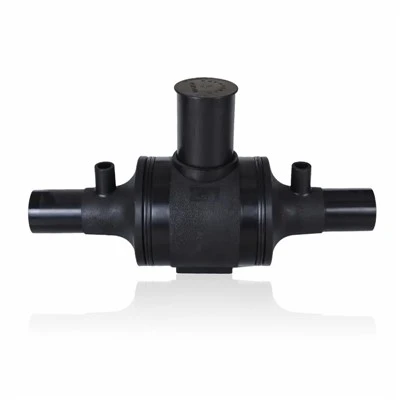
So, if you’re in the market for electrofusion fittings, don’t waste time with subpar stuff. We’ve got the materials tested, sourced, and ready to go for every type of pipeline project, big or small. Whether you’re a residential plumber doing a 10-foot water line or an industrial contractor laying a 10,000-foot gas pipeline, we’ve got the right fittings made with the right materials to get the job done right, the first time. Hit us up to talk through your project—we’re here to answer questions, share specs, and help you pick exactly what you need. Don’t settle for fittings that’ll cause you headaches down the line.
Electrofusion Fittings References:
ASTM D3350, Standard Specification for Polyethylene Plastic Pipe and Fittings
ISO 4427, Plastics – Pipes and fittings made of polyethylene for water supply – Specifications
American Water Works Association (AWWA) C906, Standard for Polyethylene (PE) Gas Pressure Pipe and Fittings
Plastics Europe, Polyethylene (PE) Materials: Properties and Applications for Pipe Systems
Yuyao Aoshi Hydraulic Components Manufacturing Co., Ltd.
As one of the most professional electrofusion fittings manufacturers and suppliers in China, we’re featured by quality products and good service. Please rest assured to wholesale electrofusion fittings in stock here and get quotation from our factory. Customized orders are welcome.
Address: Huilong village, Zhangting town, Yuyao city, Zhejiang province, China.
E-mail: renxuwei@vip.163.com
WebSite: https://www.jintongtrading.com/
