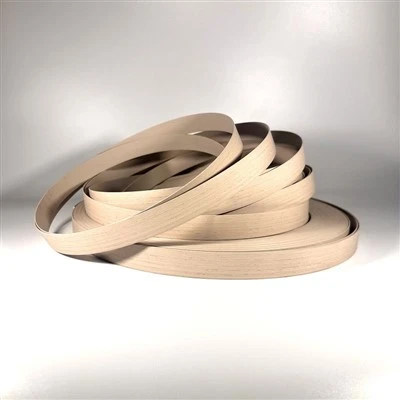
Hey there! I’m a supplier of board edge banding or panel edge banding. Over the years, I’ve seen a lot of different factors that can affect how long this stuff lasts. So, I thought I’d share some of my insights with you. Board Edge Banding Or Panel Edge Banding
1. Material Quality
First off, the quality of the material used in the edge banding is a huge deal. You’ve got different types out there, like PVC, ABS, wood veneer, and melamine.
PVC edge banding is super popular because it’s affordable and comes in a wide range of colors and finishes. But its lifespan can vary. High – quality PVC has better resistance to wear, scratches, and chemicals. Cheaper PVC might start to show signs of damage like peeling or discoloration after just a few years.
ABS edge banding is more durable than PVC. It’s got better heat and impact resistance. So, if you’re using it in a high – traffic area or a place where it might get banged around, ABS is a great choice. It can last a long time, even with regular use.
Wood veneer edge banding gives a really natural and high – end look. But it’s also more sensitive. If it’s not properly sealed and maintained, it can be prone to moisture damage. And once moisture gets in, it can cause the wood to warp, crack, or rot. High – grade wood veneer that’s been treated well can last decades, though.
Melamine edge banding is known for its resistance to stains and abrasions. But it can be a bit brittle. If it gets hit hard, it might chip or break. Good – quality melamine with a thick layer can withstand more wear and tear and have a longer lifespan.
2. Adhesive Quality
The adhesive used to attach the edge banding to the board or panel is just as important as the edge banding itself. A strong, high – quality adhesive will keep the edge banding firmly in place for a long time.
If you use a cheap or low – quality adhesive, it might not bond well. Over time, the edge banding can start to peel off. This is especially true in areas where there’s a lot of humidity or temperature changes.
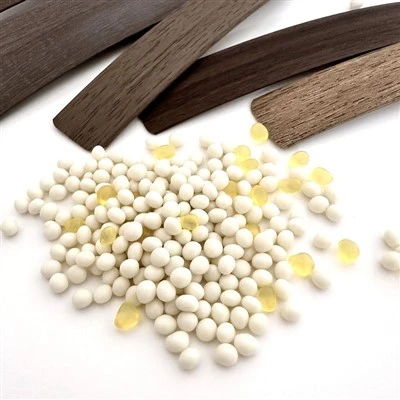
There are different types of adhesives, like hot – melt adhesives and solvent – based adhesives. Hot – melt adhesives are quick to apply and bond well. But they can be affected by high temperatures. Solvent – based adhesives are more flexible and can handle different environmental conditions better. However, they can be a bit more difficult to work with and might have some health risks if not used properly.
3. Installation Method
How the edge banding is installed also plays a big role in its lifespan. A proper installation is crucial.
First of all, the surface of the board or panel needs to be clean and smooth. Any dirt, dust, or rough spots can prevent the adhesive from bonding properly.
During installation, the edge banding should be applied evenly and with the right amount of pressure. If it’s not applied evenly, there might be gaps or bubbles, which can lead to problems later on.
The edges of the board should also be cut straight and at the right angle. If the edges are uneven, the edge banding might not fit properly, and it can come loose more easily.
And don’t forget about trimming. After the edge banding is applied, it needs to be trimmed neatly. If the edges are left ragged, they can catch on things and cause the edge banding to start peeling.
4. Environmental Conditions
The environment where the edge – banded boards or panels are used can have a major impact on their lifespan.
Humidity is a big factor. High humidity can cause the edge banding to swell or warp, especially if it’s made of wood veneer or a material that’s sensitive to moisture. In a very humid environment, you might need to use edge banding that’s specifically designed to resist moisture.
Temperature changes can also be a problem. Extreme heat or cold can cause the materials to expand or contract. This can put stress on the edge banding and the adhesive, leading to peeling or cracking.
Exposure to sunlight can cause discoloration, especially in PVC and wood veneer edge banding. UV rays can break down the pigments in the material over time. If the edge – banded boards are in a place with a lot of sunlight, you might want to consider using edge banding with UV protection.
5. Usage and Maintenance
How the edge – banded boards or panels are used and maintained also affects their lifespan.
In a high – traffic area, like a commercial kitchen or a busy office, the edge banding is going to get more wear and tear. Things like constant rubbing, hitting, and cleaning can take a toll on it.
Regular cleaning is important, but you need to use the right cleaning products. Harsh chemicals can damage the edge banding. For example, some abrasive cleaners can scratch the surface of PVC or melamine edge banding.
If there’s any damage to the edge banding, it should be repaired as soon as possible. A small chip or scratch can turn into a bigger problem if it’s not taken care of.
6. Design and Thickness
The design and thickness of the edge banding can also influence its lifespan.
A thicker edge banding is generally more durable. It can withstand more wear and tear and is less likely to chip or break. However, it might also be more expensive.
The design of the edge banding can also matter. Some designs have more exposed edges or details, which can be more prone to damage. A simple, smooth design is often more durable.
In conclusion, there are a lot of factors that can affect the lifespan of board edge banding or panel edge banding. As a supplier, I always try to educate my customers about these factors so they can make the best choices for their projects.
Office Furniture Edge Banding If you’re in the market for board edge banding or panel edge banding, and you want to ensure a long – lasting product, I’d love to have a chat with you. We can discuss your specific needs, the environment where the edge banding will be used, and the best materials and installation methods for your project. Let’s work together to get you the edge banding that will serve you well for years to come.
References
- "Handbook of Wood Chemistry and Wood Composites".
- "Plastics for Industrial Applications" by various authors.
- Industry reports on edge banding materials and adhesives.
Linyi Meador New Materials Co., Ltd.
As one of the most experienced board edge banding or panel edge banding manufacturers and suppliers in China, we offer a wide range of products with superior quality. We warmly welcome you to buy bulk premium board edge banding or panel edge banding from our factory. Good service and punctual delivery are available.
Address: Meidu New Materials, No. 66 Zhenxing Road, Tanyi Town, Feixian County, Linyi City, Shandong Province
E-mail: meador@zohomail.cn
WebSite: https://www.meadorfactory.com/
