Hey there! I’m an oil tank supplier, and today I wanna chat about the ventilation design principles for oil tanks. It’s super important to get this right, as proper ventilation can make a huge difference in the safety and performance of these tanks. Oil Tank
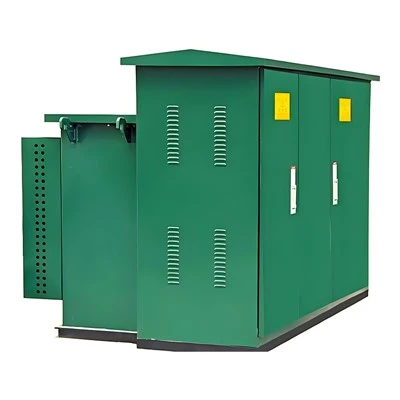
First off, let’s understand why ventilation is necessary for oil tanks. Oil tanks store various types of petroleum products, and these products can release vapors. These vapors are not only flammable but can also be harmful to the environment and human health. Ventilation helps to control the pressure inside the tank, prevent the build – up of explosive vapors, and protect the tank from damage due to over – pressure or under – pressure.
One of the key principles is pressure control. Oil tanks experience pressure changes due to factors like temperature variations and the filling or emptying of the tank. When the temperature rises, the oil expands, and the vapors inside the tank increase in pressure. On the other hand, when the temperature drops or the tank is emptied, the pressure inside the tank decreases. A good ventilation system should be able to balance these pressure changes.
We usually use pressure – vacuum valves, also known as breather valves. These valves are designed to open when the pressure inside the tank exceeds a certain limit (either positive or negative). For example, when the pressure inside the tank becomes too high, the positive pressure valve opens, allowing the excess vapors to escape. When the pressure drops below a certain level, the vacuum valve opens, letting air in to equalize the pressure. This way, we can prevent the tank from being damaged by excessive pressure or vacuum.
Another important principle is vapor containment. We don’t want those flammable and harmful vapors to just escape into the atmosphere. So, the ventilation system should be designed to capture and handle these vapors properly. One common method is to use vapor recovery units. These units collect the vapors that are released from the tank during filling or due to temperature changes. The collected vapors can then be processed and either reused or disposed of in an environmentally friendly way.
For example, in some large – scale oil storage facilities, the vapor recovery units are connected to the ventilation system of the oil tanks. When the pressure – vacuum valves open and release vapors, these vapors are directed into the vapor recovery unit. The unit then separates the valuable components from the vapors and either recycles them back into the storage system or sends them for further processing.
Airflow management is also crucial. The ventilation system should ensure a proper flow of air in and out of the tank. This helps to prevent the formation of stagnant pockets of air and vapors inside the tank. A well – designed ventilation system will have intake and exhaust vents placed in strategic locations.
The intake vents should be located in areas where fresh air can easily enter the tank. Usually, they are placed at the bottom of the tank. The exhaust vents, on the other hand, are placed at the top of the tank. This way, as the fresh air enters from the bottom, it displaces the vapors, which then exit through the top vents.
It’s also important to consider the size of the vents. The size of the intake and exhaust vents should be calculated based on the size of the tank, the type of oil being stored, and the expected rate of vapor generation. If the vents are too small, the ventilation will be insufficient, and the pressure inside the tank may not be properly controlled. If they are too large, it may lead to excessive air exchange, which can increase the risk of contamination and also waste energy.
When it comes to the materials used in the ventilation system, they need to be compatible with the oil and the vapors. The vents, pipes, and valves should be made of materials that are resistant to corrosion and chemical attack. For example, stainless steel is a popular choice for many parts of the ventilation system because it is durable and can withstand the harsh environment inside and around the oil tank.
In addition, the ventilation system should be easy to maintain. Regular inspections and maintenance are necessary to ensure that the system is working properly. For example, the pressure – vacuum valves need to be checked regularly to make sure they are opening and closing at the correct pressure levels. The vapor recovery units also need to be maintained to ensure efficient operation.
Now, let’s talk about some safety considerations. The ventilation system should be designed to prevent the entry of external sources of ignition. This means that the vents should be equipped with flame arrestors. Flame arrestors are devices that prevent flames from entering the tank in case of an external fire. They work by cooling the flame to a temperature below its ignition point, thus stopping the propagation of the fire.
Also, the ventilation system should be grounded to prevent static electricity build – up. Static electricity can be generated during the filling or emptying of the tank, and if it ignites the vapors, it can cause a serious explosion. Grounding the ventilation system helps to dissipate the static charge safely.
As an oil tank supplier, I’ve seen firsthand the importance of following these ventilation design principles. A well – designed ventilation system can not only improve the safety of the oil tank but also reduce the environmental impact. It can save costs in the long run by preventing damage to the tank and reducing the loss of valuable petroleum products.

If you’re in the market for oil tanks and are concerned about the ventilation design, I’d love to have a chat with you. Whether you’re a small – scale business or a large industrial facility, I can provide you with the right solutions for your oil tank needs. Just reach out to me, and we can discuss how to design a ventilation system that meets your specific requirements.
Power Transformer References
- "Petroleum Storage Tank Venting – A Guide to Good Practice", American Petroleum Institute
- "Design and Operation of Oil Storage Tanks", National Fire Protection Association
Jiangsu Yuantong Electric Co., Ltd.
As one of the most professional oil tank manufacturers and suppliers in China, we also support customized service. We warmly welcome you to wholesale bulk oil tank for sale here from our factory. For more information, contact us now.
Address: No.68 Xiyuan Avenue, Hai’an Industrial Park, Hai’an City, Jiangsu Province, China
E-mail: aaron@jsytelectric.com
WebSite: https://www.yuantongtransformer.com/
