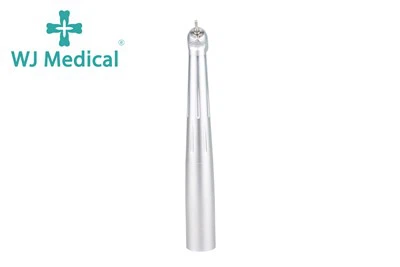
When diving into the world of high-speed handpieces for dental and medical applications, one question that frequently arises is whether a high-speed handpiece can be used with different air compressors. As a trusted supplier of high-speed handpieces, I often engage in discussions with customers about this very topic. In this blog, I’ll explore the technicalities, considerations, and practical implications of using high-speed handpieces with various air compressors. High Speed Handpiece

Understanding the Basics: High-Speed Handpieces and Air Compressors
High-speed handpieces are essential tools in the dental and medical fields. They rely on compressed air to operate at extremely high rotational speeds, enabling precise cutting, grinding, and polishing. These handpieces are engineered to work with specific air pressure and flow rates to ensure optimal performance and longevity.
On the other hand, air compressors are responsible for providing the necessary compressed air. They come in different types, sizes, and capabilities, each designed to meet specific operational requirements. The variety of air compressors available in the market, from small, portable units to large, industrial-grade machines, adds to the complexity of determining compatibility with high-speed handpieces.
Compatibility Factors
Air Pressure
One of the most critical factors in determining whether a high-speed handpiece can be used with a particular air compressor is air pressure. High-speed handpieces typically require a specific range of air pressure to function properly. If the air pressure is too low, the handpiece may not reach its optimal rotational speed, resulting in reduced cutting efficiency and performance. Conversely, if the air pressure is too high, it can cause excessive wear and tear on the handpiece’s internal components, leading to premature failure.
As a supplier, I always recommend checking the manufacturer’s specifications for the recommended air pressure range for each high-speed handpiece model. Most high-speed handpieces operate efficiently within a range of 2.5 to 4.5 bar (36 to 65 psi). It’s crucial to ensure that the air compressor you choose can consistently deliver air within this specified range.
Air Flow Rate
In addition to air pressure, the air flow rate is another important consideration. The air flow rate refers to the volume of air delivered by the compressor per unit of time, usually measured in liters per minute (LPM) or cubic feet per minute (CFM). A sufficient air flow rate is necessary to maintain the high rotational speeds of the handpiece and to ensure proper cooling of the cutting instrument.
If the air flow rate is too low, the handpiece may stall or overheat, affecting its performance and potentially damaging the internal components. On the other hand, an excessive air flow rate can cause unnecessary noise and waste energy. Therefore, it’s essential to select an air compressor that can provide the appropriate air flow rate as recommended by the handpiece manufacturer.
Air Quality
The quality of the compressed air is also crucial for the proper functioning and longevity of high-speed handpieces. Compressed air can contain contaminants such as moisture, oil, and particulate matter, which can damage the handpiece’s internal components and affect its performance.
To ensure clean and dry air, it’s recommended to use air compressors equipped with appropriate filtration systems. These filters can remove moisture, oil, and other contaminants from the compressed air, protecting the handpiece from damage and ensuring consistent performance. Additionally, regular maintenance of the air compressor and its filtration system is essential to ensure the continued supply of clean and dry air.
Advantages and Disadvantages of Using Different Air Compressors
Advantages
- Cost Savings: Using a different air compressor that is already available or more affordable can potentially save costs, especially for smaller dental or medical practices.
- Flexibility: Having the option to use different air compressors provides flexibility in terms of equipment setup and usage. It allows practices to adapt to different operational requirements and environments.
- Compatibility Testing: Using different air compressors can also provide an opportunity to test the compatibility of the high-speed handpiece with various air sources, ensuring optimal performance and reliability.
Disadvantages
- Performance Issues: Using an incompatible air compressor can result in performance issues such as reduced rotational speed, increased noise, and premature wear and tear of the handpiece’s internal components.
- Warranty Voidance: Using a non-recommended air compressor may void the warranty of the high-speed handpiece, leaving the user responsible for any repair or replacement costs.
- Safety Risks: In some cases, using an incompatible air compressor can pose safety risks, such as overheating or explosion, due to improper air pressure or flow rate.
Practical Considerations
Manufacturer Recommendations
As a supplier, I always emphasize the importance of following the manufacturer’s recommendations when it comes to using high-speed handpieces with air compressors. The manufacturer’s specifications provide valuable information about the recommended air pressure, flow rate, and air quality requirements for optimal performance and longevity of the handpiece.
Using an air compressor that does not meet these specifications can not only affect the performance of the handpiece but also pose a risk to the user’s safety. Therefore, it’s essential to carefully review the manufacturer’s recommendations before choosing an air compressor for use with a high-speed handpiece.
Compatibility Testing
Before permanently integrating a high-speed handpiece with a different air compressor, it’s advisable to conduct compatibility testing. This involves connecting the handpiece to the air compressor and testing its performance under various operating conditions.
During the compatibility testing, it’s important to monitor the rotational speed, power output, and temperature of the handpiece to ensure that it is operating within the recommended specifications. Any signs of abnormal performance or overheating should be addressed immediately by adjusting the air pressure or flow rate or by replacing the air compressor.
Regular Maintenance
Regardless of the air compressor used, regular maintenance of both the high-speed handpiece and the air compressor is essential to ensure optimal performance and longevity. This includes cleaning and lubricating the handpiece, changing the filters and oil in the air compressor, and inspecting the air lines for leaks.
Regular maintenance not only helps to prevent breakdowns and costly repairs but also ensures the continued safety and reliability of the equipment. As a supplier, I offer maintenance services and provide customers with detailed instructions on how to properly maintain their high-speed handpieces and air compressors.
Conclusion
In conclusion, while it is possible to use a high-speed handpiece with different air compressors, it is crucial to consider factors such as air pressure, air flow rate, and air quality to ensure compatibility and optimal performance. By following the manufacturer’s recommendations, conducting compatibility testing, and performing regular maintenance, users can minimize the risk of performance issues and ensure the long-term reliability of their high-speed handpieces.
Dental Unit At our company, we understand the importance of providing high-quality, reliable high-speed handpieces that are compatible with a wide range of air compressors. Our team of experts is always available to provide technical support and guidance on choosing the right air compressor for your specific needs. If you are interested in learning more about our high-speed handpieces or have any questions regarding air compressor compatibility, we encourage you to contact us for a detailed discussion. We look forward to the opportunity to work with you and help you meet your dental and medical equipment needs.
References
- Various dental and medical equipment manufacturers’ product manuals and technical specifications.
- Industry research papers and studies on high-speed handpiece performance and air compressor compatibility.
Foshan Wenjian Medical Instrument Co., Ltd.
Foshan Wenjian Medical Instrument Co., Ltd. is one of the most professional high speed handpiece manufacturers and suppliers in China, featured by supplying high quality medical devices. Welcome to wholesale high speed handpiece at competitive price from our factory. For more company information, contact us now.
Address: Workshop A, Sanyi Logistics, Shishan Town, Nanhai District, Foshan City, Guangdong Province, China
E-mail: Sales24@wenjian88.com
WebSite: https://www.chinaywjmed.com/
