Bonding electronics is a crucial aspect in the manufacturing and maintenance processes. It involves connecting electronic components in a secure and reliable way to ensure proper functionality. Over the years, various methods and materials have been used for this purpose, each with its own set of advantages and limitations. One question that often arises is whether a glue gun can be a viable option for bonding electronics. As a glue gun supplier, I’d like to delve into this topic and provide comprehensive insights. Glue Gun
The Basics of Glue Guns
Let’s first understand what a glue gun is. A glue gun is a handheld tool that heats up glue sticks to a molten state and dispenses the glue through a nozzle. The glue is a thermoplastic adhesive, which means it can be reheated and remelted multiple times. This characteristic makes it suitable for a wide range of applications, from simple craft projects to more complex DIY repairs.
There are two main types of glue guns: high – temperature and low – temperature. High – temperature glue guns can reach temperatures of around 380°F (193°C) and are typically used for projects that require a strong and durable bond. On the other hand, low – temperature glue guns heat up to around 250°F (121°C) and are safer to use, making them ideal for delicate materials or when working with children.
Advantages of Using a Glue Gun for Bonding Electronics
1. Ease of Use
One of the biggest advantages of using a glue gun for bonding electronics is its simplicity. Even individuals with little to no technical expertise can operate a glue gun. You simply insert a glue stick into the gun, plug it in, wait for it to heat up, and then apply the glue exactly where you need it. This user – friendly nature makes it accessible for small – scale electronic repairs and DIY electronics projects.
2. Quick Bonding
Glue guns offer rapid bonding. Once the molten glue is applied to the surface, it cools down and solidifies within a matter of seconds. This means you can quickly attach electronic components, reducing the overall assembly time. In a production environment, this can lead to increased efficiency and productivity.
3. Versatility
The thermoplastic glue used in glue guns can bond various materials commonly found in electronics, such as plastic, metal, and some types of rubber. This versatility allows it to be used in a wide range of electronic applications, from securing cables and connectors to mounting small components on circuit boards.
4. Cost – Effective
Compared to some specialized electronic adhesives, glue guns and glue sticks are relatively inexpensive. This makes them an attractive option for hobbyists and small businesses on a budget. You can achieve a decent bond without having to invest a large amount of money in expensive bonding materials.
Limitations of Using a Glue Gun for Bonding Electronics
1. Temperature Sensitivity
Electronic components are often sensitive to high temperatures. High – temperature glue guns can potentially damage heat – sensitive components during the bonding process. For example, some integrated circuits or delicate resistors may be affected by the heat, leading to malfunction or reduced lifespan. Even low – temperature glue guns may still pose a risk to very sensitive parts.
2. Electrical Conductivity
Most glue gun adhesives are insulators. While this may be desirable in some cases, in others where electrical conductivity is required, such as in some types of connectors or grounding applications, glue gun glue cannot be used. The lack of electrical conductivity can prevent proper electrical flow and disrupt the normal operation of the electronic device.
3. Long – Term Durability
The bond created by a glue gun may not be as durable as that of specialized electronic adhesives in the long run. Over time, factors such as temperature fluctuations, vibrations, and exposure to moisture can cause the glue bond to weaken. This can lead to components becoming loose or disconnected, which can result in equipment failure.
4. Compatibility with Potting and Encapsulation
In applications where electronic components need to be potted or encapsulated for protection against environmental factors, glue gun glue may not be the best choice. Specialized potting compounds are designed to provide better protection against moisture, dust, and mechanical stress, which glue gun glue may not be able to offer.
Applications Where Glue Guns Can Be Used for Electronics
1. Cable Management
Glue guns can be effectively used for cable management in electronics. You can use the glue to secure cables in place, preventing them from getting entangled or accidentally pulled out. This is especially useful in computer cases, audio systems, and other devices with multiple cables.
2. Mounting Non – Critical Components
For non – critical components such as small plastic covers or decorative elements on electronic devices, a glue gun can provide a quick and easy bonding solution. These components do not typically require high – strength or temperature – resistant bonds, so the limitations of glue gun glue are less of a concern.
3. Temporary Fixes
In some situations, a glue gun can be used for temporary fixes. For example, if a small component has come loose and you need to quickly get the device working again until a more permanent solution can be found, a glue gun can be a handy tool.
Applications Where Glue Guns Should Be Avoided for Electronics
1. High – Precision Circuit Boards
On high – precision circuit boards, where components are densely packed and require precise alignment and a high – quality bond, glue gun glue is not suitable. The heat and the uneven application of the glue can damage the delicate traces and components on the board, leading to electrical shorts or other malfunctions.
2. Components Requiring High – Temperature Resistance
In electronic devices that operate in high – temperature environments, such as automotive electronics or industrial control systems, glue gun glue is not a good choice. The glue will soften or melt at high temperatures, causing the components to become detached and the device to fail.
3. Critical Electrical Connections
For critical electrical connections, such as those between power – supply wires and components, a more reliable and electrically conductive adhesive is needed. Glue gun glue’s insulating properties make it unsuitable for these types of applications.
Guidelines for Using a Glue Gun for Electronics
If you decide to use a glue gun for bonding electronics, here are some guidelines to follow:
- Choose the Right Glue Gun: Opt for a low – temperature glue gun whenever possible to minimize the risk of heat damage to electronic components.
- Prepare the Surface: Clean the surfaces to be bonded thoroughly to ensure good adhesion. Remove any dirt, grease, or oxidation from the components.
- Apply the Glue Sparingly: Use only the amount of glue needed to create a bond. Applying too much glue can cause it to spread and potentially come into contact with other sensitive parts of the electronic device.
- Test First: Before applying the glue to the actual electronic device, test it on a small, non – critical area or a similar component to ensure that the glue does not cause any damage or affect the performance.
As a glue gun supplier, I understand the importance of choosing the right bonding solution for your electronic applications. While glue guns have their limitations, they can still be a useful tool in certain situations. If you’re looking for a cost – effective, easy – to – use bonding option for some of your electronic projects, our glue guns and glue sticks may be the perfect fit.
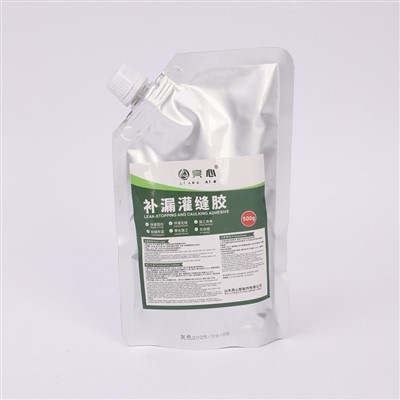
We offer a wide range of glue guns, including both high – temperature and low – temperature models, to meet your diverse needs. Our glue sticks are formulated to provide strong and reliable bonds, and we ensure that they are of the highest quality.
Manual Structural Adhesive Gun If you are interested in learning more about our glue guns or would like to discuss your specific bonding requirements, please feel free to reach out. We are more than happy to help you find the best solution for your electronics bonding needs. Contact us to start a procurement discussion and take your electronic projects to the next level.
References
- "Handbook of Adhesive Technology" by Skeist, I.
- "Electronic Packaging and Interconnection Handbook" by Tummala, R. R.
- "Adhesive Bonding: Science, Technology, and Applications" by Petrie, E. M.
Shandong Liangxin Adhesives Co., Ltd.
We are one of the most professional glue gun manufacturers in China, featured by quality products and good service. Please rest assured to wholesale high-grade glue gun in stock here and get pricelist from our factory. We also accept customized orders.
Address: Industrial Park, Jiudu Sub-district, Hedong District, Linyi City, Shandong Province, China
E-mail: 15253909280@139.com
WebSite: https://www.liangxinglue.com/
