Hey there! I’m a supplier of Double Wall Corrugated Pipe Machines, and I’ve seen firsthand how crucial it is to have well – trained operators. In this blog, I’ll share some tips on how to train operators for a Double Wall Corrugated Pipe Machine. Double Wall Corrugated Pipe Machine
Understanding the Basics
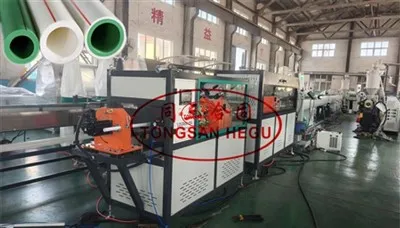
First things first, before you start training, your operators need to have a solid understanding of the machine’s basic components. A Double Wall Corrugated Pipe Machine is a complex piece of equipment, and it’s made up of several key parts like the extruder, the corrugating unit, the cutting system, and the control panel.
You can start the training by giving a tour of the machine. Point out each part and explain what it does. For example, the extruder is responsible for melting and pushing the plastic material through the die. The corrugating unit then shapes the plastic into the characteristic double – wall corrugated structure. The cutting system cuts the pipes to the desired length, and the control panel allows the operator to adjust various parameters.
It’s also important to teach the operators about the safety features of the machine. Safety should always be the top priority. Show them where the emergency stop buttons are located and how to use them. Explain the importance of wearing protective gear like safety glasses, gloves, and earplugs.
Theoretical Training
Once the operators are familiar with the machine’s components, it’s time for some theoretical training. This involves teaching them about the technical aspects of the machine, such as its operating principles, temperature control, and speed settings.
For instance, they need to understand how the temperature affects the quality of the pipes. If the temperature is too high, the plastic may become too soft and lose its shape. On the other hand, if the temperature is too low, the plastic may not melt properly, resulting in weak pipes.
You can use manuals, diagrams, and videos to explain these concepts. Make the training interactive by asking questions and encouraging the operators to share their thoughts. This will help them better understand and retain the information.
Hands – on Training
After the theoretical training, it’s time for hands – on experience. This is where the operators actually get to operate the machine under your supervision.
Start with simple tasks, like turning on the machine and adjusting the basic settings. As they gain more confidence, you can gradually introduce more complex tasks, such as changing the die to produce different pipe sizes or troubleshooting minor issues.
During the hands – on training, it’s important to provide immediate feedback. If an operator makes a mistake, explain what went wrong and how to correct it. Encourage them to ask questions and learn from their mistakes.
Troubleshooting Training
No matter how well – trained your operators are, they may still encounter problems with the machine. That’s why it’s essential to provide troubleshooting training.
Teach them how to identify common problems, such as blockages in the extruder, uneven corrugation, or issues with the cutting system. Show them how to use diagnostic tools to pinpoint the source of the problem.
For example, if there’s a blockage in the extruder, they can use a pressure gauge to check the pressure and determine if there’s an obstruction. Then, they can follow a step – by – step procedure to clear the blockage.
You can also create a troubleshooting guide that the operators can refer to when they encounter problems. This guide should include common problems, their possible causes, and the solutions.
Continuous Training
Training doesn’t stop after the initial training period. The Double Wall Corrugated Pipe Machine industry is constantly evolving, with new technologies and techniques emerging all the time. That’s why it’s important to provide continuous training to your operators.
You can organize regular training sessions to update them on the latest developments in the industry. This could include new features of the machine, improvements in the manufacturing process, or changes in safety regulations.
You can also encourage your operators to attend industry conferences and workshops. This will give them the opportunity to learn from experts and network with other professionals in the field.
Training Documentation
It’s important to keep records of the training provided to your operators. This documentation can be used for several purposes, such as compliance with safety regulations, evaluating the effectiveness of the training, and providing proof of training to customers.
The training documentation should include details such as the training topics covered, the date of the training, the names of the trainers and trainees, and the results of any assessments.
Conclusion
Training operators for a Double Wall Corrugated Pipe Machine is a comprehensive process that requires a combination of theoretical knowledge, hands – on experience, and continuous learning. By following the tips outlined in this blog, you can ensure that your operators are well – trained and capable of operating the machine safely and efficiently.
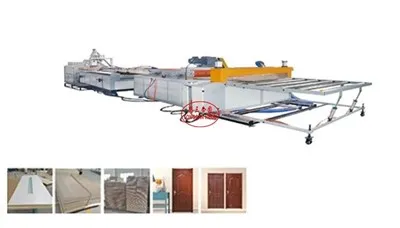
WPC Door Machine If you’re in the market for a Double Wall Corrugated Pipe Machine or need more information on training your operators, feel free to reach out. We’re here to help you make the most of your investment and ensure the success of your business.
References
- Industry – specific manuals for Double Wall Corrugated Pipe Machines
- Technical articles on plastic pipe manufacturing
- Safety guidelines from relevant regulatory bodies
Qingdao Tongsanhegu Plastic Machinery Manufacturing Co., Ltd.
With abundant experience, we are one of the most reliable double wall corrugated pipe machine manufacturers and suppliers in China. We warmly welcome you to buy durable double wall corrugated pipe machine for sale here from our factory. Quality products and reasonable price are available.
Address: West of Xixinzhi Village, Sanlihe District Jiaozhou, Qingdao City, Shandong Province, China
E-mail: info@tongsanhegu.com
WebSite: https://www.tongsanhegumachine.com/
