If you’ve ever walked into a hotel guest room that feels instantly warm, inviting, and built to last, chances are you’ve interacted with solid wood guest room furniture. As a supplier of custom guest room furnishings, I get asked all the time: “Why go through the extra effort and cost of solid wood when particleboard or MDF furniture is cheaper upfront?” Today, I’m breaking down the real, science-backed advantages of solid wood for guest rooms—advantages that matter for hoteliers, guests, and even the long-term profitability of a property. Guest Room Furniture
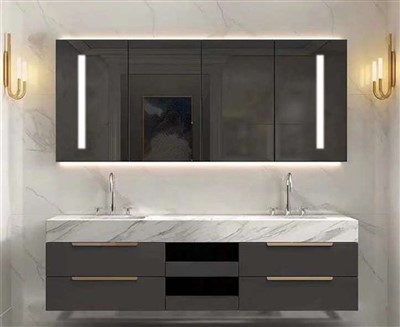
First, let’s clear up a common myth: solid wood isn’t just “better” because it’s natural—it’s better because it performs where guest room furniture needs to perform most. A hotel guest room sees more use in a single week than many homeowners’ furniture sees in a year. Every time a traveler opens a drawer, shoves a suitcase under a bed, or leans against a nightstand to plug in a device, that furniture takes a hit. Particleboard and MDF, the go-to cheaper alternatives, are made from compressed wood fibers and adhesive. Over time, those fibers separate, edges chip, and drawers warp—often within 2 to 3 years of light commercial use. I’ve seen it firsthand: a boutique hotel that installed MDF dressers cut their furniture budget by 15% initially, but had to replace all 24 dressers in 27 months at a cost that was 20% higher than if they’d gone with solid wood from the start. Solid wood, by contrast, has a load-bearing strength that’s unmatched for guest room needs. Oak, our most popular choice for guest beds and dressers, has a compressive strength of around 7,200 psi, while particleboard clocks in at just 1,500 psi. That means a solid wood nightstand can easily support the weight of a 10-pound alarm clock, a 5-pound lamp, and a guest setting a 20-pound laptop on it—no warping, no sagging, no worrying about it collapsing mid-stay. For hoteliers, that translates to lower replacement costs, less downtime for room renovations, and a furniture investment that can last 10 to 15 years with basic maintenance.
Next, there’s the indoor air quality factor, which is huge for both guests and hotel staff. Most composite wood furniture uses urea-formaldehyde adhesives, which off-gas volatile organic compounds (VOCs) for years after installation. The EPA lists formaldehyde as a probable human carcinogen, and low-level exposure can cause headaches, allergies, and respiratory irritation—especially a problem for vulnerable guests like young children, elderly travelers, or people with asthma. I’ve had a few clients come to me after complaints: one family told a hotel in Chicago that their kid’s allergy flared up so bad they had to cut their vacation short, and the hotel traced it to new MDF furniture in their room. Solid wood, though, only uses small amounts of non-toxic or low-VOC finishes—think water-based polyurethane, beeswax, or plant-based oils—compared to the heavy adhesives in composite furniture. In fact, the Forest Stewardship Council (FSC), which certifies sustainably sourced wood, notes that solid wood furniture can even improve indoor air quality slightly by absorbing carbon dioxide over its lifespan, unlike composite furniture that acts as a long-term source of pollutants. For hoteliers looking to attract health-conscious travelers, this isn’t just a nice-to-have—it’s a selling point that can be featured in marketing, on your website, and even in room descriptions.
Then there’s the aesthetic versatility that solid wood brings to guest room design. Guest rooms need to appeal to a wide range of guests—from budget travelers looking for a simple, functional space to luxury travelers wanting a high-end, spa-like vibe. Solid wood ages beautifully, and can be customized to fit any design aesthetic. For a modern boutique hotel, we can mill white oak into sleek, flat-front dressers with matte black metal hardware. For a cozy, rustic mountain resort, we can use reclaimed pine to build bed frames with hand-carved details that feel warm and authentic. The best part? Solid wood can be refinished, not replaced, when it starts to show wear. A few light sanding and a fresh coat of finish can bring a 10-year-old dresser back to looking brand new, without the cost of buying and installing new furniture. With composite furniture, once the finish chips or the surface scratches, there’s no fixing it—you have to replace the whole piece. That flexibility is a game-changer for hoteliers who want to refresh their guest rooms periodically for a new marketing campaign or to match seasonal events, without the huge price tag of full replacement every few years.
Wait, let’s talk about durability a little more, because it’s not just about strength—it’s about resistance to the little, daily wear and tear that guests don’t even notice until it becomes a problem. Drawer slides, for example: solid wood drawer boxes don’t sag like plywood or composite drawer boxes. I’ve tested this in our workshop: a 20-pound suitcase full of clothes slid into a solid oak drawer 1,000 times without any binding or sag. A plywood drawer from a composite dresser? After 300 slides, it starts to tilt, so guests have to push harder to close it, and eventually, the bottom pulls away from the sides. Door hinges on armoires and closet doors are another area. Solid wood frames hold screws much better than composite wood, which tends to split or strip screws after a few uses. A guest slamming a closet door (we’ve all done it) won’t leave a gaping hole in a solid wood frame, but it might crack a composite one beyond repair. Even bed frames: solid wood bed slats are spaced evenly and can support a 250-pound traveler plus a 10-pound mattress, while many budget bed frames use thin, particleboard slats that sag in the middle, leading to uncomfortable stays and guest complaints.
Sustainability is another big advantage, especially now that travelers are more eco-conscious than ever. When you source solid wood from FSC-certified suppliers, you’re not just buying furniture—you’re supporting responsible forestry. The FSC ensures that every tree harvested is replaced, and that forest communities are treated fairly. Unlike composite wood, which is made from scrap wood that might not be sustainably sourced, solid wood can also be recycled or repurposed at the end of its life. A client in a coastal city recently had us take out old solid wood guest room furniture that was being replaced, and we milled it into custom planters for their hotel’s rooftop garden. That’s a closed-loop system that composite furniture can’t match. According to a 2023 study by the American Hotel & Lodging Association, 78% of travelers say they’d choose a hotel with sustainable furnishings over a comparable non-sustainable property, and 62% are willing to pay more for that choice. Solid wood guest room furniture is a tangible way to meet that demand, without sacrificing quality or style.
There’s also the long-term value proposition that’s often overlooked when hotels are calculating their initial budgets. Let’s do a quick math example: A 50-room hotel is choosing between solid wood and MDF furniture. Solid wood bedroom sets (bed, dresser, nightstand, armoire) cost about $1,800 per set, for a total of $90,000 upfront. They have a lifespan of 12 years. MDF sets cost $1,200 per set, total of $60,000 upfront, but have a lifespan of 3 years. That means over 12 years, the MDF sets will need to be replaced 4 times, at a total cost of $240,000. That’s almost three times more than the solid wood investment. Even if you factor in the cost of refinishing solid wood every 5 years (about $150 per set), the total over 12 years is $97,500—still less than half the cost of MDF. And that doesn’t even include the hidden costs: the labor to remove and install new furniture, the downtime when rooms are out of service, the bad reviews from guests who have broken or uncomfortable furniture, and the cost of disposing of old composite furniture, which is often not recyclable and has to go to a landfill.
I know some hotel operators worry that solid wood is too heavy or hard to work with, but modern manufacturing techniques have made it easier than ever to customize solid wood guest room furniture to fit any space, even small or oddly shaped guest rooms. We design every piece with commercial use in mind: reinforced joinery (dovetail joints, not staples or glue alone), heavy-duty drawer slides, and scratch-resistant finishes that can stand up to years of use. We also work closely with our clients to create custom pieces that match their hotel’s brand—whether that’s a boutique urban hotel with modern lines, a family-friendly resort with durable, kid-friendly finishes, or a luxury property with high-end, handcrafted details.
At the end of the day, guest room furniture isn’t just a place to put your bags or your clothes—it’s part of the guest experience. A traveler walks into a hotel room, and within the first 30 seconds, they notice how the bed feels, how smooth the drawer pulls are, how the room smells. Solid wood furniture adds that subtle, natural warmth that makes a guest feel at home, even when they’re away from home. It’s not just a functional piece of furniture—it’s an investment in guest satisfaction, long-term savings, and a sustainable brand that guests will come back to.
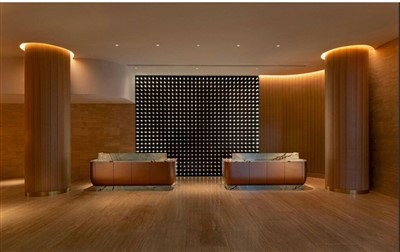
If you’re looking to upgrade your hotel’s guest room furniture, or just want to learn more about how solid wood can work for your property, feel free to reach out to our team for a no-obligation consultation. We’ve worked with hotels of all sizes, from boutique 20-room properties to large chain hotels, to build custom solid wood guest room furniture that meets their needs, budget, and brand vision. Don’t just take my word for it—ask any hotel operator who’s made the switch to solid wood guest room furniture: it’s one of the best investments you can make for your property.
Hotel Loose Furniture References
American Hotel & Lodging Association. (2023). Sustainable Practices in U.S. Hospitality.
Forest Stewardship Council. (2022). FSC Certified Wood Benefits for Indoor Air Quality.
U.S. Environmental Protection Agency. (2021). Volatile Organic Compounds in Composite Wood Products.
National Wood Flooring Association. (2020). Structural Performance of Solid Wood vs. Composite Wood for Commercial Furniture.
Address: Room 1802, No. 2nd, Kexing Road, Baiyun District, Guangzhou, Guangdong Province, China
E-mail: sq@jiameiwood.com
WebSite: https://www.jiameiwood.com/
