Hey there,
If you’ve ever stepped into a commercial warehouse, a residential HVAC crawl space, or even a mid-sized office building and wondered what makes the quiet, consistent air flow possible—chances are, PVC air ducts were part of the system. For years, my team and I have supplied PVC ducting to contractors, building owners, and HVAC technicians across the region, and one question we get asked more than any other is: Do PVC air ducts require any special maintenance? PVC Air Duct
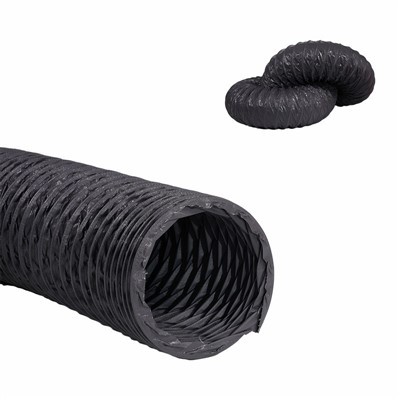
I get why this is such a common question. When you compare PVC to metal or flexible fiberglass ductwork, it’s easy to assume it’s low-maintenance. PVC is durable, lightweight, resistant to rust and corrosion, and holds up to moisture way better than steel. I’ve had customers swear their PVC ducts “don’t need a thing” for years, and that’s true—sort of. But “low maintenance” isn’t the same as “no maintenance.” Over the past 12 years in this business, I’ve seen systems run flawlessly for a decade with just a little regular upkeep, and I’ve seen others fail prematurely because someone skipped a few simple steps. Let’s break down what PVC air duct maintenance actually looks like, straight from someone who sells these things day in and day out.
First, let’s get one myth out of the way: PVC ductwork doesn’t trap mold and bacteria the way fiberglass does. That’s a huge win. Fiberglass has tiny pores that hold onto dust, moisture, and organic matter, turning your duct system into a breeding ground if you don’t clean it often. PVC is a non-porous material—dust and debris sit on the surface, not inside, so that’s a big advantage. But that doesn’t mean mold can never grow on PVC ducts. If there’s a persistent moisture leak (more on that in a minute), or if condensation builds up in low spots, you can still get mold growth. I once had a customer call us panicking because their new PVC ducts had black spots near a leaky condensation line from their AC unit. They thought PVC was mold-proof, and while it’s more resistant than other materials, it’s not invincible. That incident taught me to emphasize moisture control right off the bat, because that’s the biggest risk to PVC duct systems.
Now, what kind of special maintenance do you actually need to do for PVC ducts? Let’s start with the basics, because a lot of this is specific to how PVC behaves, not just how ducts work in general.
First, regular inspections—at least once a year, and twice if you’re in a humid climate or have a commercial space with heavy air flow. I tell every client who buys our PVC duct kits to block out an hour twice a year to give their system a quick walkthrough. Why? Because PVC is rigid, but it’s not unbreakable. It can crack or split if something hits it—like a construction tool during renovations, a falling box in a warehouse, or even a shifting foundation in a home. Unlike metal, where a small hole is easy to patch with duct mastic, PVC cracks need to be sealed with the right kind of adhesive. A lot of technicians grab generic duct mastic, but that’s not going to work on PVC. You need a solvent-based PVC cement that bonds chemically to the plastic, not just sits on the surface. I’ve seen a client use regular mastic on a small PVC crack, and within six months, it came loose, causing a 20% drop in air flow to their second floor. That’s the kind of mistake you avoid with a quick annual check.
Next, moisture management. This is the big one for PVC ducts, and it’s where maintenance gets specific to the material. PVC’s superpower is resisting corrosion, but if you have standing water in your ducts, that’s a problem. Standing water doesn’t just lead to mold—it can cause the pipe ends to separate, especially if the ducts are exposed to temperature swings. For example, in a basement or crawl space where the air is cold and humid, PVC ducts can sweat, just like a cold soda can in the summer. That condensation drips into low spots in the duct runs, creating puddles over time. How do you fix that? Make sure your duct runs are pitched correctly—usually 1/4 inch per 10 feet—so any condensation or water drains to the HVAC unit’s drip pan, not into the duct itself. That’s not a one-time install job; that’s something you should check during your annual inspection. A few years ago, we supplied PVC ducts for a small retail shop that didn’t pitch their runs right. After a year, water pooled in a long horizontal run, and the weight of the water pulled the joints apart. They had to replace 20 feet of duct instead of just fixing a minor pitch issue. Lesson learned.
Another part of moisture-related maintenance: if you have a commercial kitchen, laundry room, or any space with high humidity, you’ll need to check your PVC exhaust ducts more often. These ducts are carrying moisture-laden air, so even PVC can develop a thin film of moisture on the inside over time. That film attracts dust, and if it’s left unchecked, that dust can mix with moisture and create a sticky, grimy buildup that restricts air flow. For these applications, we recommend cleaning the ducts every 3 to 5 years, instead of the 7 to 10 years you can wait for standard residential PVC ducts. When you clean PVC ducts, don’t use harsh chemicals—abrasive cleaners or bleach can etch the plastic, making it more porous over time and more prone to future buildup. Stick to mild soap and water, or a duct-cleaning solution made for non-porous materials. I always pass that tip along to our commercial clients, because it’s easy to grab whatever cleaner you have on hand, but it can do more harm than good for PVC.
Then there’s joint and seal maintenance. PVC air ducts are connected with fittings, right? And those joints need to be properly sealed with duct mastic or PVC tape (not regular masking tape—use heavy-duty, UV-resistant PVC duct tape for exposed runs). Over time, temperature changes—like the 90°F summer heat vs. 20°F winter cold—can make PVC expand and contract a little. That movement can loosen seals at the joints. During your annual inspection, run your hand along every joint and seal to feel for air leaks. If you feel air blowing out, that’s a sign the seal is failing. For PVC, you should reapply mastic or tape every 2 to 3 years, depending on where the duct is located. If it’s a duct in an unconditioned attic or crawl space, it will expand and contract more than a duct in a finished basement, so you’ll need to check seals more often. I had a residential customer a few years ago who noticed their energy bill jumped 15% one winter. They checked their furnace, their thermostat, everything, and finally found that the PVC duct joint in their attic had come loose. Reapplying mastic fixed the bill, but it could have been avoided with a quick quarterly check.
Wait, what about UV exposure? A lot of our clients use PVC ducts for outdoor exhaust runs, like dryer vents or roof exhausts. PVC is UV-resistant, but not forever. Prolonged direct sunlight can break down the plastic, making it brittle and more likely to crack. If you have PVC ducts running along the side of a building or on the roof, you should wrap them in a UV-resistant duct wrap every 5 to 7 years. That’s part of special maintenance for exposed PVC runs—something you don’t have to do for metal ducts, which hold up way better to sunlight without extra wrapping. I tell all our clients who order outdoor PVC ducts to plan for that wrap, because a cracked PVC duct on the roof is a leak waiting to happen.
Let’s also talk about common mistakes people make with PVC duct maintenance, because these are the ones that lead to unnecessary repairs. First, don’t skip filter changes. This isn’t specific to PVC, but it’s tied directly to how well your ducts work. A dirty filter restricts air flow, which makes your HVAC system work harder, and that can lead to increased pressure in the ducts. Over time, that increased pressure can damage PVC joints or even cause small cracks in the duct walls. We always include a filter change reminder with every order we ship, because it’s such a simple step that makes a huge difference.
Second, don’t use metal duct hardware on PVC. A lot of contractors use regular metal screws or hangers to secure PVC ducts, and over time, those metal hangers can react with the PVC, causing a chemical reaction that weakens the plastic. That’s a big one—our team only supplies PVC-specific hangers and fasteners with our duct kits, and we go out of our way to tell customers why. Metal hangers might seem fine at install, but after a few years, they can leave a mark on the PVC that turns into a crack. I’ve seen that more times than I can count, so I always stress that using the right hardware is part of the maintenance process before it even becomes a problem.
Now, let’s get to the part that every customer cares about: how often do you actually need to do this stuff? For a standard residential HVAC system with PVC supply and return ducts, that’s installed in a conditioned basement or finished space, with no high humidity or outdoor exposure. The maintenance schedule is: annual visual inspection (check for cracks, loose joints, standing water), reapply seals every 3 years, clean every 7 to 10 years. For commercial systems, kitchen exhaust ducts, or outdoor PVC runs: twice-yearly inspections, reapply seals every 2 years, clean every 3 to 5 years, and wrap exposed runs every 6 years. That’s not a ton of work, right? It’s a few hours a year, max, and it saves you from costly repairs or full duct replacements down the line.
I’ve been in this industry long enough to know that price and durability are the biggest factors when someone is choosing ductwork. PVC is often more affordable than stainless steel or even some metal ducts, and it lasts longer when maintained. But I also know that when someone asks “do I need to do anything special for my PVC ducts,” they’re not just looking for a yes or no—they’re looking for a clear, actionable plan that doesn’t add a bunch of extra work to their plate. That’s why we don’t just sell duct kits; we include a free maintenance guide with every order, and we’re always on call to answer questions when someone notices a leak or a weird noise.
The truth is, PVC air ducts don’t need extreme maintenance. You don’t have to use special equipment or hire a professional every month. But they do need a little attention, because they’re not indestructible. Moisture is the main enemy, temperature swings can loosen seals, and impact can cause cracks that are easy to fix if caught early. I’ve seen customers who neglected their PVC ducts for a decade have to replace half their system, and I’ve seen customers who stuck to a simple maintenance schedule have their original ducts going strong after 15 years.

If you’re currently researching PVC ductwork for your home or business, or you’re looking to update an old system, remember that a few minutes of maintenance a year will save you time, money, and stress down the line. If you have more questions about PVC duct maintenance, installation, or which size is right for your space, our team is here to help. We’ve worked with hundreds of clients, and we can walk you through every step of maintaining your system to keep it running efficiently for years.
Vacuum Tube References
- American Society of Heating, Refrigerating and Air-Conditioning Engineers (ASHRAE). 2021. HVAC Applications Handbook: Duct Design and Maintenance. Atlanta, GA: ASHRAE.
- PVC Pipe Association. 2019. PVC Ducting: Installation, Maintenance, and Long-Term Performance. Dallas, TX: PVC Pipe Association.
- Indoor Air Quality Association (IAQA). 2020. Residential Duct Maintenance Best Practices. Arlington, VA: IAQA.
- U.S. Department of Energy. 2022. Energy Saver: Duct System Maintenance. Washington, D.C.: U.S. Department of Energy.
- International Code Council (ICC). 2021. International Mechanical Code: Duct Material and Installation Standards. Country Club Hills, IL: ICC.
Dongyang Hstube Co., Ltd.
As one of the leading PVC air duct manufacturers and suppliers in China, we warmly welcome you to wholesale cheap PVC air duct for sale here from our factory. If you have any enquiry about free sample, please feel free to email us. Quality products and reasonable price are available.
Address: NO.5 CHENGDONG ECOLOGICAL INDUSTRIAL ZONE, DONGYANG, ZHEJIANG, CHINA.
E-mail: sales@hstube.com
WebSite: https://www.ductword.com/
