When I first started working in optical fiber supply, most folks in industrial automation saw our products as little more than a fancy replacement for copper cables. A lot of them thought, “Why trade something I’ve used for decades for something I can’t bend as easily?” That was back in 2010, and I spent hours on trade shows and plant floors explaining that optical fiber isn’t just a replacement—it’s a solution to problems copper can’t touch. Today, after 14 years in this business, I’ve seen how fiber has turned industrial automation upside down, and I’m here to break down the real, day-to-day applications that matter to plant managers, engineers, and everyone in between. No jargon overload, just the stuff we actually talk about when we’re troubleshooting a line or upgrading a control system. Optical Fiber
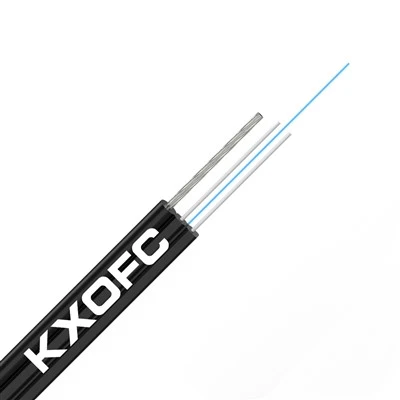
Let’s start with the basics: why fiber even matters for industrial automation. Copper works, but it has weak spots. In a steel mill, for example, the air is thick with metal dust, temperatures swing from near-freezing in the cold storage bays to 120 degrees near the furnaces, and there’s electromagnetic interference (EMI) everywhere—from motors, welders, and power transformers. Copper cables pick up that EMI like a sponge, causing signal drops, false alarms, or even total system outages. Fiber doesn’t carry electrical current at all, so EMI is a non-issue. That’s a game-changer, but it’s not the only reason. Fiber can carry data much farther than copper—up to 100 kilometers for single-mode fiber, vs. just 100 meters for standard copper Ethernet. That means plants that span miles, like oil refineries or mining operations, don’t have to repeat signals every few feet, saving money and reducing points of failure.
One of the most common applications I see is in process control systems. Every automated plant relies on Supervisory Control and Data Acquisition (SCADA) systems, which collect data from sensors all over the facility to adjust operations in real time. Ten years ago, SCADA networks were mostly copper-based, but now 60% of the industrial clients I supply to run their SCADA backbone on fiber. Why? Let’s take a food and beverage plant that makes packaged snacks. They have temperature sensors in every oven, pressure sensors on the packaging lines, and level sensors on the ingredient silos. Those sensors send tiny voltage signals over copper, which can get corrupted by the nearby motors running the line—leading to a sensor reading saying the oven is 50 degrees cooler than it actually is. That means batches get overcooked, product is wasted, and downtime follows. Fiber eliminates that. A sensor sends a light pulse instead of an electrical signal, so even 500 meters away, the signal is as clean as if it were right next to the controller. I worked with a snack plant last year that switched from copper to fiber, and their sensor-related errors dropped by 92% in the first six months. That’s not a number I pulled out of thin air—it’s from the plant’s own maintenance logs.
Then there’s high-speed machine vision, which is huge in automation for quality control. Think about a car manufacturing plant: every weld, every painted panel, every part on the assembly line has to be checked for defects, and it all moves at 60 miles an hour on the line. Machine vision cameras capture thousands of frames a second, and they need to send that data to a central computer for analysis fast—faster than copper can handle. Copper’s bandwidth tops out at 10 Gigabits per second (Gbps) for short runs, but multimode fiber can push 100 Gbps over the same distance, and single-mode can go even higher. I supply a lot of camera manufacturers who build these vision systems for car lines, and they tell me fiber lets them run cameras at higher resolutions without lag. Before fiber, a camera taking a photo of a tiny crack in a windshield would sometimes miss it because the signal took too long to send to the computer. Now, those defects are caught 99.8% of the time, which cuts down on post-assembly repairs and recalls. It’s not just cars, either—textile mills use machine vision to check for flaws in fabric, pharmaceutical plants use it to count pills on a line, and electronics factories use it to inspect microchips. All of that relies on fiber.
Another area where fiber shines is in harsh environment sensors. Industrial automation isn’t just in clean factories; it’s in mines, offshore oil rigs, chemical plants, and steel mills. In these places, regular electronics can’t survive: temperatures are extreme, there’s explosive gas, and the environment is corrosive. Smart people have built optical fiber sensors that can handle all of it. There are temperature sensors made with fiber that can sit right next to a steel furnace that’s 1,800 degrees Fahrenheit, something no copper sensor can do. There are pressure sensors for deep oil wells, where the pressure is 15,000 PSI—copper would crumble, but fiber just keeps sending signals. A client of mine runs a coal mine in West Virginia, and they have fiber sensors along the mine walls to monitor for tiny cracks that could lead to collapses. Before fiber, they had to send workers in every week to check for these cracks, which was dangerous and expensive. Now, the sensors send real-time data over fiber, so they can fix a small crack before it becomes a disaster. That’s not just about efficiency—it’s about keeping people safe. I can’t overstate how important that is for us as a supplier; we don’t just sell cables, we sell tools that protect workers.
Wait, let’s not forget about industrial wireless backhaul. A lot of automation relies on Wi-Fi now for mobile robots, forklifts, and other devices that move around the plant. But Wi-Fi signals can interfere with each other, and they don’t cover long distances well—especially in buildings with concrete walls or metal structures, which reflect signals. Fiber is the backbone that connects all those wireless access points together. If you have 20 access points around a warehouse, each one needs a fast, reliable connection to the main control system. If you use copper, you might get signal drops if a forklift runs over a cable, or EMI from nearby equipment messes things up. Fiber lets you connect all those access points with a single, high-speed network that doesn’t have those problems. I worked with a 3PL warehouse that uses autonomous forklifts to move pallets around, and before fiber, the forklifts would stop every few minutes because the Wi-Fi signal cut out. After we installed fiber backhaul, the downtime for the forklifts dropped to almost zero. That translated to the warehouse processing 15% more orders a week without adding extra shifts. It’s a small change for the cables, but a huge change for their bottom line.
Now, I know some folks out there are still worried about the downsides of fiber. It’s more expensive upfront than copper, right? And it’s more fragile—you can’t bend it as tight, and if you cut it, you can’t splice it with regular tools. Let me be honest: early on, that was true, but today’s fiber is designed for industrial use. We make fiber cables with armored jackets, so they can handle being dragged across concrete, run over by forklifts, and chewed on by rodents (yes, that’s a real problem in some plants). We also supply connectors that are industrial-grade, so they can be plugged and unplugged hundreds of times without breaking, which is important for maintenance teams who swap out equipment. The “upfront cost” myth: yes, it’s more expensive to buy the cables, but when you calculate the cost of downtime, fiber pays for itself in a year or less. The snack plant I mentioned earlier? They spent $12,000 on fiber cables and installation, but they saved $45,000 a week in wasted product and downtime. That’s a no-brainer.
As someone who’s been in this industry for a long time, I’ve seen how fiber has evolved. When I started, we only offered single-mode and multimode fiber for telecom. Now, we have specialty fiber for harsh environments, bend-insensitive fiber that can go around tight corners without signal loss, and even fiber that can carry power and data together for some sensors. We work directly with automation engineers to customize solutions—no one-size-fits-all here. If a plant in a chemical refinery needs fiber that can resist acid, we build it. If a mine needs fiber that can go 10 kilometers underground, we make that too. That’s what sets a good fiber supplier apart from just another vendor: we don’t just ship what’s on the shelf, we work with you to solve your specific problems.
At the end of the day, industrial automation is all about efficiency, safety, and reliability. Every plant manager’s goal is to keep the line running, reduce waste, and make sure their workers go home safe at the end of the day. Fiber isn’t just a part of that—it’s become a core part. I’ve talked to engineers who used to laugh at fiber, and now they won’t touch a copper cable for their SCADA or machine vision systems. It’s not the future anymore; it’s the present.

If you’re running an industrial automation operation and you’re still wondering if fiber is right for you, let’s talk. Maybe you’re dealing with frequent sensor errors, downtime from EMI, or slow data for your control systems. I’ve seen solutions for every problem, and I can help you figure out what works for your facility. We work with plants of all sizes, from small food processors to large refineries, and we’re here to answer your questions, no pressure.
Direct Burial Optical Fiber Cable Reference
- Industrial Fiber Optic Association. (2022). Industrial Fiber Optics: Applications and Best Practices. IFIA Press.
- National Institute for Occupational Safety and Health. (2021). Optical Fiber Sensors for Industrial Safety Monitoring. NIOSH Technical Report.
- International Society of Automation. (2023). SCADA Network Design for Harsh Industrial Environments. ISA Standards and Practices.
Hangzhou Lin’an Kexin Optical Cable Co., Ltd.
As one of the most professional optical fiber manufacturers and suppliers in China, we’re featured by quality products and good price. Please rest assured to wholesale discount optical fiber made in China here and get pricelist from our factory. Customized orders are welcome.
Address: No. 28 Linglong Street,Lin’an Area, Hangzhou City, Zhejiang Province, China
E-mail: sales@kexincable.com
WebSite: https://www.kexincable.com/
