If you’re in the market for carbon steel rods, you already know how critical proper connection methods are—whether you’re building a commercial skyscraper, a residential foundation, a heavy-duty machinery frame, or a custom fabrication project. As a carbon steel rod supplier with 12 years in the game, I’ve seen firsthand how choosing the wrong connection technique can lead to costly delays, structural failures, or even project setbacks. That’s why today, I’m breaking down the most common, reliable connection methods for carbon steel rods, along with their ideal use cases, pros, and key considerations to help you make the right choice for your next job. Carbon Steel Rod
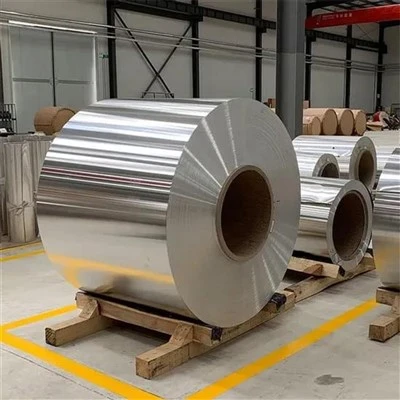
First, let’s start with a quick reminder: carbon steel rods are valued for their strength, durability, and versatility, but their performance depends heavily on how well they join to other components (whether that’s another rod, plates, brackets, or concrete). The right connection method balances mechanical strength, ease of installation, cost efficiency, and long-term resistance to environmental factors like corrosion or thermal stress.
Threaded Couplers: The Go-To for Consistent, Removable Connections
Threaded couplers are hands down one of the most popular connection methods for carbon steel rods, and for good reason. These are cylindrical components with internal threads that match the external threads cut onto the ends of two carbon steel rods. To connect, you simply screw the two rods into opposite ends of the coupler, tightening to the specified torque to ensure a secure, uniform bond.
As a supplier, I’ve watched threaded couplers become a staple in infrastructure projects—think highway overpasses, bridge reinforcement, and high-rise building foundations. Why? They’re highly consistent: if a rod meets industry thread standards (we supply rods cut to exact thread pitches per ASTM A615 or AISI 1018, two of the most common grades), the coupler will create a joint with strength equal to the rod itself. That’s a big win for structural engineers, who need to ensure joints don’t weaken the overall structure.
Another huge benefit: threaded couplers are removable. If you’re working on a project where you might need to adjust or replace rods later (like temporary construction supports or modular metal structures), this method is way more flexible than permanent options. They also work well in confined spaces where welding might be difficult or impossible.
But there are a few things to watch for. First, you need to make sure the rod ends are threaded correctly—even a small deviation in pitch or thread depth can lead to a weak joint. We offer on-site threading services for clients who don’t have the equipment to cut threads themselves, which saves a lot of time and reduces errors. Also, while standard carbon steel couplers work for most indoor or low-exposure projects, if you’re working in a coastal or corrosive environment, you’ll want to use hot-dip galvanized couplers to prevent rust from forming at the joint.
Butt Welding: Permanent, High-Strength Connections for Heavy Loads
If you need a joint that’s as strong as the rod itself with no risk of slippage, butt welding is the way to go. This method involves aligning the two ends of carbon steel rods perfectly (usually with a butt welding machine that clamps them in place) and melting the ends with heat—either from an electric arc, gas flame, or resistance welding—to fuse them together. The weld area is then ground smooth to match the rod’s diameter for a uniform look and strength.
As someone who’s supplied rods to fabrication shops and structural steel teams, I see butt welding used most often in heavy industrial applications: shipbuilding, pipeline construction, and large mechanical equipment (like crane booms or mining machinery). The key here is that a properly executed butt weld has tensile strength equal to or even higher than the base carbon steel rod, which is critical for projects handling massive static or dynamic loads. That’s non-negotiable for industries where a joint failure could have catastrophic consequences.
The biggest pro of butt welding is its permanence and strength. Unlike threaded couplers, there’s no room for loosening over time, even with repeated stress or temperature fluctuations. It’s also cost-effective for large-scale projects because you don’t need additional components (couplers, fasteners, etc.)—just the rod and welding labor.
But butt welding has its limitations. It’s permanent, so once welded, you can’t adjust the joint without cutting the entire rod. It also requires skilled welders to ensure the weld is free of defects like porosity, cracks, or incomplete fusion. If the weld is done poorly, it can actually be weaker than the rod itself, which is why we always recommend hiring certified welders for this method. Also, welding can introduce thermal stress into the rods, so it’s important to pre-heat rods that are thicker than 1 inch to prevent warping or cracking during the process.
Mechanical Couplers (Compression-Type): Quick, Reliable for On-Site Installation
Mechanical compression couplers are a middle-ground option that combines some of the flexibility of threaded couplers with the strength of welded connections. These couplers have split sleeves that fit over the ends of two aligned carbon steel rods, and you use a hydraulic press or bolt tool to compress the sleeve tightly around the rods. The compression deforms both the sleeve and the rod surface, creating a mechanical interlock that holds the joint together.
I’ve noticed mechanical compression couplers growing in popularity lately, especially for on-site construction projects where speed is key. Unlike threaded couplers, you don’t need to cut precise threads on the rod ends—you just need to cut the rods to length and square the ends, which saves time on installation. And unlike welding, there’s no open flame or high heat, so they’re safe to use in confined spaces or near flammable materials, which is a big plus for indoor construction jobs.
Another benefit is that mechanical couplers work with most carbon steel rod grades, including both hot-rolled and cold-finished rods. We supply rods in AISI 1018 and ASTM A615 Grade 60, which are the most common for mechanical coupler applications, and we make sure to note any installation requirements (like compression force specifications) on our product data sheets so our clients can avoid mistakes.
The main downside? Mechanical couplers are slightly more expensive than threaded couplers on a per-job basis, and the compression process requires specialized hydraulic tools. But for projects where time is money, that extra cost is often worth it. Also, like threaded couplers, they’re susceptible to corrosion if not properly coated, so we recommend galvanized or powder-coated couplers for outdoor or coastal projects.
Epoxy Gluing (Adhesive Bonding): Light-Duty, Non-Structural Connections
For lighter applications—like small structural repairs, decorative metalwork, or fastening carbon steel rods to concrete or other non-metal surfaces—epoxy gluing is a viable option. This method involves applying a two-part epoxy adhesive to the ends of the rods or the mating surface (like a concrete form) and pressing the components together until the epoxy cures.
Now, let’s be clear: epoxy bonding is not for structural loads that require full rod strength. It’s ideal for non-load-bearing or light-load applications where you don’t want to modify the rod ends (no threading, no welding marks). As a supplier, I’ve seen this used a lot in custom fabrication jobs, like metal art installations, small porch railings, or fastening rods to concrete footings for minor residential repairs.
The pros here are obvious: it’s low-cost, no specialized tools are needed (just mixing the epoxy), and it doesn’t alter the rod’s appearance, which is great for decorative projects. It also works on a variety of surfaces, not just metal, which makes it versatile for multi-material assemblies.
But the cons are significant for structural use. Epoxy joints have lower tensile and shear strength than welded or threaded joints, and they can degrade over time with exposure to UV light, moisture, or extreme temperatures. If you’re using epoxy for a structural application, you run the risk of the joint failing under load, which is why I always advise clients to only use this method for light, non-structural purposes.
Key Factors to Choose the Right Connection Method
Over the years, I’ve learned that the best connection method isn’t one-size-fits-all. When helping clients pick the right option, I walk them through a few key questions:
- Load requirements: Is the joint going to bear heavy static loads, dynamic loads, or just light stress? For heavy industrial or structural projects, welded or threaded couplers are non-negotiable.
- Installation location: Is the job on-site, in a confined space, or near flammable materials? Mechanical compression couplers are great for on-site, low-heat environments, while threaded couplers work in tight spaces.
- Removability: Do you need to adjust or replace joints later? Threaded couplers are the only permanent options that allow for easy removal without cutting.
- Environmental exposure: Will the rod be in a coastal area, underground, or in a high-moisture space? Galvanized connection components or corrosion-resistant mechanical couplers are a must to prevent rust at the joint.
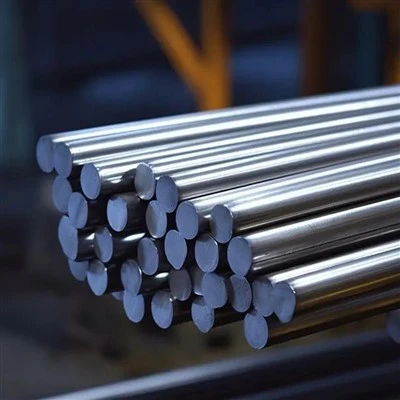
As a carbon steel rod supplier, my job isn’t just to deliver quality rods—it’s to help clients make decisions that keep their projects safe, on time, and cost-effective. I’ve seen too many projects go wrong because a contractor chose a connection method that didn’t fit the job: a threaded coupler that wasn’t strong enough for a bridge, or a weld done by an unskilled team that failed under load.
Stainless Steel Whether you’re a general contractor, structural engineer, or custom fabricator, I’m here to help you navigate the connection process. We supply carbon steel rods in a range of grades, from hot-rolled to cold-finished, and we can also provide additional support like on-site threading, product data sheets, and guidance on which connection method works best for your specific project. If you’re planning a project and have questions about connecting carbon steel rods, or if you’re ready to place an order, don’t hesitate to reach out to our team for a consultation.
References
- ASTM International. (2022). Standard Specification for Deformed and Plain Carbon-Steel Bars for Concrete Reinforcement (ASTM A615/A615M-22).
- AISI. (2021). The Making, Shaping, and Treating of Steel: Carbon Steels and Low-Alloy Steels (11th Edition).
- International Code Council. (2023). International Building Code (IBC) Chapter 21: Concrete Structures, Section 21.5.2.2 (Couplers for Reinforcing Bars).
- AWS. (2022). Standard for Welding Reinforcing Steel Bars (AWS D1.4/D1.4M-22).
Wuxi Jin Ming Jian De Industry & Trade Co., Ltd.
Wuxi Jin Ming Jian De Industry & Trade Co., Ltd. is one of the most professional carbon steel rod manufacturers and suppliers in China, also supports customized service. With abundant experience, we warmly welcome you to wholesale CE approved carbon steel rod in stock here from our factory. If you have any enquiry about quotation, please feel free to email us.
Address: 2102-2105, Yuexing Building, Guangnan Road, Liangxi District, Wuxi City, Jiangsu Province, China.
E-mail: info@wxjmjdss.com
WebSite: https://www.jmjdsteelexp.com/
