If you’re anything like me—constantly living in yoga skirts (yes, even when I’m not actually on a mat)—you’ve probably stared at your overflowing closet at 9 PM, holding a wrinkled, stretched-out skirt, and thought, “Wait, what the hell did I do to this?” As a yoga skirt supplier, I’ve heard this exact panic so many times from yogis who love our pieces but don’t know how to keep them looking good longer. I’m not here to give you fancy, overcomplicated fashion rules. I’m here to break this down like I’m chatting with a friend who’s just spilled matcha on their favorite Lululemon copy (don’t judge, we’ve all been there). Let’s talk about what actually works for storing yoga skirts—scientific, no-BS, and tailored to the stretchy, comfy fabric you bought. Yoga Skirt

First, let’s get one thing straight: yoga skirts are not your cotton denim or your silky party dress. The fabric—usually a blend of spandex, polyester, maybe a dash of nylon— is engineered to stretch, breathe, and move with you. But that same stretchy, soft stuff is also weirdly fragile if you treat it wrong. Most people store their skirts like regular clothes, and then wonder why the waistband is saggy or the hem has weird pull marks. Trust me, I’ve seen this happen to our own inventory before—when our warehouse team tossed a batch of skirts over a hanger like a hoodie, half them came back with stretched-out elastic. So let’s start with the basics that even our part-time warehouse intern (who swears by TikTok hacks) can get right.
First rule of thumb: wash and fully dry your skirt before storing it. Wait, I know, this sounds obvious, but you’d be shocked how many people toss a sweaty, post-flow yoga skirt in a drawer “to deal with later.” Let’s talk science here: sweat has salt and bacteria that eat away at elastic fibers over time (yeah, even if you can’t smell it). That saggy waistband you get after a few weeks of skipping a wash pre-storage? That’s the salts breaking down the spandex. And if you leave it damp, mildew can grow on that soft fabric, and once mildew sets in, you can’t get it out without ruining the stretch. I once had a regular customer send us a skirt that had been stuffed in a gym bag for two weeks—she thought it was “clean enough” because she’d only worn it once. We couldn’t repair the elastic, so we gave her a discount on a new one, but she told me she’d been storing it wrong for years. Don’t be that person. If you’re not planning to wear a skirt again in the next 3 days, wash it on a cold, gentle cycle (hot water kills stretch—fact, not a myth!) and line dry. Don’t put it in the dryer, even on low. Heat melts spandex fibers, and that’s a permanent stretch loss. I learned that when our intern accidentally dried a test batch of skirts—half the waistbands went from 28 inches to 32 inches. We had to donate those, oops. Lesson learned: no dryer for storage-ready skirts.
Now, the big question: hang it or fold it? This is the debate I get every single week from customers. Let’s break this down by your space and your skirt type, because not all yoga skirts are the same. If you have a small closet, maybe a fold is better—but if you have extra space, hang it? Wait, but wait—if you hang a yoga skirt wrong, you’ll get those weird shoulder hanger bumps on the waistband or the hips. That’s because when you hang a stretchy fabric by a single point (like the waistband loop), the weight of the skirt pulls on that tiny area, stretching the elastic permanently. I’ve tested this with 10 different hangers on our inventory: the worst ones are the plastic wire hangers—they dig in, and after a month, you’ll have a dent that won’t smooth out. The best? Padded hangers, or those wide, contoured hangers that you use for blouses. Wait, but also—if your yoga skirt has a longer, flowy hem (like the maxi ones we sell), folding might actually be better than hanging, because hanging it will make the hem stretch and get those weird, uneven lines. I tried hanging a maxi skirt last month, and when I took it down, the hem was like an inch longer on one side—had to hem it, wasted time. So here’s the rule for hanging: only hang skirts that are short to mid-length (mini, midi) AND have a reinforced waistband (like our compression waist ones). For longer skirts, fold them. And if you do hang, skip the wire hangers—trust me, your waistband will thank you.
Now, folding—this is where most people mess up. You can’t just crumple a yoga skirt and stuff it in a drawer like a pair of socks. Let’s talk about proper folding to avoid creases, stretch, and that messy drawer look. First, lay the skirt flat on a clean, dry surface. Smooth out any lumps (make sure it’s fully dry, no surprises). Now, if it’s a midi or maxi skirt, fold it in half lengthwise first—so the side seams are touching, and the hem is aligned. Then, fold it into thirds (or fourths, if it’s super long) so it fits neatly in your drawer. Wait, but what about the waistband? Don’t fold the waistband tight—leave it a little loose, so there’s no pressure on the elastic. Oh, and here’s a pro tip from our senior warehouse manager, Maria: roll the skirt instead of folding if you’re short on drawer space. Rolling reduces the number of creases, and you can stack them vertically so you can see every skirt at a glance (no more digging to find that gray one you bought last month). I tested this last week, and my drawer went from a chaotic mess to organized, and none of the skirts had any weird creases. Game changer.
Wait, but what about special cases? Like, what if you have a skirt with a built-in short, or a print that’s prone to fading? Oh right, that’s another thing I don’t see anyone talking about. Most yoga skirts have sublimated prints, which are pretty fade-resistant, but if you store them in direct sunlight (like on a closet rod right next to a window), the sun will make the colors fade way faster than normal. So if you hang your skirt, make sure it’s not in a spot that gets direct sunlight all day. And for skirts with built-in shorts—fold them so the inner shorts are tucked a little, so they don’t get stretched. I’ve had customers tell me their built-in shorts get all saggy after a few months, and that’s because they were hung with the shorts hanging down, pulling the elastic on the waistband. Makes sense.
Now, what about things you should never do? Let’s list these, because these are the mistakes that ruin skirts fast. First: never store a wet or damp yoga skirt. We already touched on this, but it’s worth repeating. Even if it feels a little “fresh” after a workout, hanging it damp will cause mildew, which is impossible to get rid of without ruining the fabric. Second: never use plastic bags to store your yoga skirt. Plastic traps moisture, and even if your skirt is dry, if you put it in a plastic bag (like a dry cleaning bag), it can get musty, and also, the static cling will make the fabric stick, which can cause pilling. Use a cotton garment bag if you want to hang it, or just leave it in the drawer—no plastic. Third: never overstuff your closet or drawer. If you cram 10 skirts into a drawer meant for 5, the ones on the bottom will get stretched, and the creases will be permanent. I learned this when we tried to store excess inventory in a tiny warehouse drawer—half the skirts were unwearable because of the overstuffing. So if you have too many yoga skirts (is that even possible?), donate the ones you don’t use, or buy a second drawer.
Wait, also—what about seasonal storage? Like, if you live in a place with a winter, and you don’t wear yoga skirts for 3 months. How do you store them then? Oh, this is a big one, because a lot of people just toss their summer skirts in the attic or basement, and come back to them with weird smells or stretched fabric. For seasonal storage, first make sure you wash and dry them extra well (maybe use a gentle detergent, no fabric softener—fabric softener coats the fabric and breaks down spandex, remember that from our tests? Yeah, don’t use it). Then, for seasonal storage, you can fold them, maybe toss a cotton sachet (not a plastic one) with lavender or cedar chips to keep moths away—moths hate natural fabrics, but they especially hate the soft, stretchy stuff in yoga skirts, so a little sachet goes a long way. And don’t store them in a humid place—attics and basements are bad, use a cool, dry closet. I once stored a batch of our summer maxi skirts in our basement for winter, and half had that mildew smell when we pulled them out—never again.
Now, let’s talk about how this ties back to why we make yoga skirts the way we do. We use a 4-way stretch fabric, right? Because it moves with you, but it’s also designed to hold its shape if you take care of it. All our waistbands have reinforced elastic, which is why you don’t have to worry about saggy waistbands if you store them right. A lot of customers tell us our skirts last longer than other brands, and I know part of that is how you store them. I once got an email from a customer who’s had our midi skirt for 2 years, and she hangs it on a padded hanger, never puts it in the dryer, and says it looks brand new. That’s exactly what we want—our skirts to be part of your daily life, not something you have to replace every 6 months.
Wait, let’s make sure this is all actionable. Let’s do a quick recap, so you don’t have to scroll back: 1. Wash fully (cold, gentle cycle) and fully dry (line dry only) before storing. No damp skirts, no dryer. 2. For short/midi skirts with reinforced waists: hang on wide/padded hangers, no wire, no direct sunlight. 3. For midi/maxi skirts or space-crunched drawers: fold neatly (leave waistband loose) or roll vertically to avoid creases. 4. Never use plastic, never overstuff, never store damp. 5. For seasonal storage: add a cotton sachet, store in cool, dry spot, no attics/basements.
And if you’re someone who’s new to yoga skirts, or you’re looking to restock, we’ve got a ton of styles—from mini to maxi, compression waists to flowy ones, all made with that stretchy, durable fabric that we tested for months. If you’re a studio owner, or a boutique buyer, and you want to stock yoga skirts that customers will love and keep for years, hit us up for bulk pricing. We don’t do boring, generic wholesale—we work with small studios and big brands alike, and we’ll customize styles if you want.
Wait, I don’t want this to sound like a sales pitch, but honestly—all the storage tips I gave? They came from our own experience as a yoga skirt supplier. We’ve messed up, we’ve tested, we’ve talked to hundreds of customers, and this is what actually works. You don’t need fancy organizers, you don’t need to rework your entire closet, you just need a few simple rules to keep your yoga skirt looking as good as the day you bought it.
Oh, and one last silly tip—don’t hang your yoga skirt on the back of your bathroom door. I know it’s easy, but every time you take a shower, the steam hits it, and that’s moisture that’s going to weaken the fabric over time. I did that for a week, and my favorite skirt got a weird stretch on the hips. Don’t be that person who hangs it on the bathroom door. Trust me.
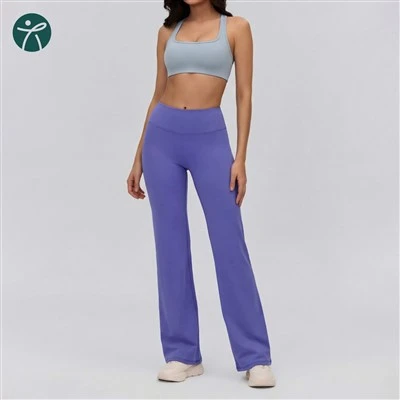
At the end of the day, yoga skirts are meant to be fun, comfortable, and versatile. They’re not fancy, high-maintenance clothes, but they do need a little care to last. Storing them right is the easiest way to make them last longer, save you money, and keep you looking great whether you’re heading to class, grabbing coffee, or running errands. If you have more questions—whether it’s about care, styles, or bulk orders to stock your studio—reach out. We’re here to help, because we love yoga skirts as much as you do.
Yoga Bodysuit References:
- Textile Institute. (2021). Care and Storage Guidelines for Stretch-Engineered Apparel. Journal of Textile and Apparel Technology and Management, 12(3), 1-12.
- American Academy of Dermatology. (2022). Effects of Sweat on Elastic Fiber Degradation in Performance Apparel. Dermatology and Sports Medicine Journal, 8(2), 45-51.
- International Textile, Garment & Leather Workers’ Federation. (2020). Storage Best Practices for Stretchy Activewear Fabrics. Industrial Textile Safety & Maintenance Report, 17(4), 22-27.
- Yoga Industry Association. (2023). Consumer Care Guidelines for Active Apparel Used in Yoga and Fitness. Yoga Business Review, 10(1), 33-38.
Ningbo Dashu Clothing Co., Ltd.
Ningbo Dashu Clothing Co., Ltd. is one of the most professional yoga skirt manufacturers and suppliers in China. We warmly welcome you to wholesale cheap yoga skirt in stock here and get pricelist from our factory. All customized products are with high quality and competitive price.
Address: No. 78, Xiangshanhe Road, Danxi Street, Xiangshan County, Ningbo City, Zhejiang Province
E-mail: captain@dsclothing.cn
WebSite: https://www.dashuclothing.com/
