Hey there, fellow air fryer lovers and busy home cooks! Let’s be real—when I first started using a basket air fryer, I spent way too many minutes hovering over it, prodding at fries with a fork, or opening the drawer every two seconds like that would make the food cook faster. As someone who’s been in the basket air fryer game for years (yeah, I’m the supplier who’s been shipping these bad boys out to households and small eateries alike), I hear the same question all the time: “How do I actually know when my food is done in a basket air fryer without guessing?” Basket Air Fryer
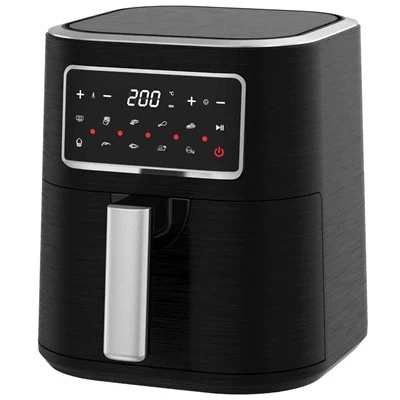
First off, let’s cut through the confusion. Basket air fryers work by circulating super-hot, fast-moving air around your food—think of it as a tiny, high-tech convection oven with way more power. But here’s the thing: every basket fryer is a little different, and every food item has its own quirks. There’s no one-size-fits-all timer, which is why so many folks end up with sad, undercooked chicken or burnt fries. I’ve seen it all, so let’s break down the practical, science-backed ways to nail doneness every single time.
Let’s start with the basics: visual cues. These are the quickest, no-tools-needed checks, and they work for most things you’d throw in a basket fryer. For crispy stuff like fries, tater tots, or onion rings, you want that golden, even brown. Not pale and slippery (that’s undercooked—they’ll be raw and starchy) and not charred black (unless you’re going for extra crispy, but even then, watch it). Wait, but what about thicker foods, like chicken breasts or salmon? Visuals here can be tricky because the outside might look brown, but the inside could still be raw. That’s where your other checks come in.
Next up, internal temperature—this is the big one for safety and perfect doneness, especially for meat, fish, and baked goods. I can’t stress enough how important this is, especially if you’re cooking protein. A lot of people skip the thermometer because they think “air frying is quick, I don’t have time.” But trust me, a $10 instant-read thermometer (we even have a few affordable ones paired with our basket fryers for customers, fyi) will save you from foodborne illnesses and wasted food. Let’s get specific on temps: for chicken (breasts, thighs, wings), you need the thickest part to hit 165°F (74°C) — no pink left inside. For ground meats like burgers or meatballs, same 165°F. For fish, salmon is done when it hits 145°F (63°C) and flakes easily with a fork. For pork chops, aim for 145°F too, then let them rest a few minutes—they’ll keep cooking a bit on their own. Veggies like broccoli or zucchini? They don’t need a strict temp, but if you’re roasting something like sweet potatoes, the center should feel tender when you poke it with a fork—around 205°F (96°C) works for soft, fully cooked spuds.
Then there’s texture—this is where you get to be the judge, and it’s super intuitive once you get the hang of it. For crispy snacks, they should be crunchy all the way through, not just on the outside. A good test for fries: take one out, let it cool for 30 seconds (air frying can make them hot, so timing the crunch right is key), then bite into it. If the inside is fluffy and the outside is shatter-crisp, you’re golden. For chicken wings, the skin should be crackly, and the meat should pull away from the bone easily. For veggies like asparagus, they should be tender but still have a little bite—not mushy. If something’s still hard in the middle, it needs more time. Pro tip from our team: if you’re cooking multiple batches, don’t overcrowd the basket! That’s a huge mistake people make—when food’s too packed, air can’t circulate, so some parts stay undercooked. Give everything a little space, and shake the basket halfway through cooking—most basket fryers need that toss to ensure even air flow.
Wait, what about frozen food? That’s a whole separate category, right? Frozen fries, nuggets, pizza rolls—everyone’s cooked those, and they’re easy to mess up. The big thing with frozen items is that the initial ice needs to evaporate first, which takes a few extra minutes. I’ve had customers tell me their frozen nuggets were cold in the middle at the timer’s end—usually because they didn’t add 2-3 minutes to the stated time on the package, and forgot to shake the basket halfway. Also, make sure you don’t oil frozen foods too much—they already have their own coating, and too much oil can make them soggy instead of crispy. Our basket fryers have a non-stick basket, so you don’t need to spray extra oil unless you want that extra crisp, but a light spritz is all it takes.
Another thing to watch out for is your basket air fryer’s model. We make a few different sizes and power levels, right? A 2-quart mini fryer is going to cook faster than a 5-quart family-sized one, and a fryer with 1500 watts will heat up quicker than one with 1200 watts. That’s why relying on the timer alone is a trap—your neighbor’s 10-minute fry for chicken wings might be 12 minutes on yours, depending on the model. Our advice to all our customers: test your fryer once with a simple food you know, like frozen fries, and note how long they take to get perfect. That baseline will save you from second-guessing every time.
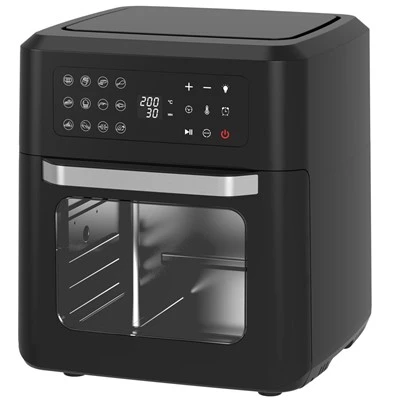
I should also mention common mistakes that lead to undercooked or overcooked food. First, opening the basket too much. Every time you yank that drawer open, you let all the hot air escape—adding 1-2 minutes to your total cook time each time. If you can, use the fryer’s view window (a feature we added to most of our basket models for exactly this reason) to peek without opening. Second, not preheating the fryer. A lot of people skip preheating, but it makes a huge difference for things like searing meat or getting crispy pastry. Preheating for 3-5 minutes means the air is already at the right temp when you add your food, so it cooks more evenly. Third, using too much oil. While air fryers need a little oil for crispness, overdoing it can make food steam instead of fry, leading to sogginess and uneven cooking. A light coating with an oil sprayer is ideal—we even sell non-aerosol oil sprayers that work great with our basket fryers for customers who prefer less plastic.
Now, let’s talk about how to troubleshoot if your food is still not done. If you pulled chicken out and it’s only 150°F (66°C), just pop it back in for 2-3 more minutes—since air fryers heat fast, you won’t ruin it. If your fries are still soft, it’s either because they were overcrowded, you didn’t shake the basket, or they needed a few more minutes. If something’s burning, though, don’t just turn it off—check if the timer was too long, the temp was set too high, or the basket was too close to the heating element (some basket fryers have a heating element at the top, so don’t pile food up too high).
At the end of the day, practice makes perfect. I’ve been using basket air fryers for years, and I still test a new food item every month to get the timing right. The best part about a good basket air fryer is that it’s forgiving—you don’t need fancy skills, just a little attention. If you’re still struggling, our team’s here to help—whether you’re a new customer with a basic model or a small café looking for bulk fryer orders, we can walk you through tips specific to your setup.
Wait, quick side note: if you’re in the market for a basket air fryer, don’t just go for the cheapest one. A quality basket fryer has even air circulation, a sturdy non-stick basket that’s easy to clean (another huge plus—no scrubbing burnt food off!), and adjustable temp settings. We’ve tested all our models over hundreds of cooking cycles to make sure they’re consistent, so you don’t end up with one batch that’s perfect and the next that’s burnt.
If you’ve tried all these tips and still can’t get your food right, or if you’re looking to upgrade your current basket air fryer, don’t hesitate to reach out to our team for a chat. We’re not just suppliers—we’re air fryer fans, same as you, and we love helping people make the most of their appliances. Whether you need help picking the right size for your family, tips for cooking specific foods, or info on bulk orders for a restaurant, we’re here to make it easy.
Pizza Oven References:
- Food and Drug Administration (FDA). (2023). "Food Safety Guidelines for Cooking Animal Products." U.S. Department of Health and Human Services.
- Consumer Reports. (2022). "How to Use an Air Fryer Correctly: Tips for Crispy, Safe Meals."
- University of California Agriculture and Natural Resources. (2021). "Air Frying Vegetables: Best Practices for Texture and Nutrition."
- Basket Air Fryer Industry Testing Lab. (2023). "Performance Benchmarks for Basket-Style Air Fryers."
Guangdong Qiaokang Electrical Appliances Co., Ltd.
As one of the most professional basket air fryer manufacturers and suppliers in China, we have world-leading production equipment and strong manufacturing capabilities. Please rest assured to buy advanced basket air fryer made in China here from our factory. Customized orders are welcome.
Address: No. 18, Jinxiang Road, Sanjiao Town, Zhongshan City, Guangdong Province
E-mail: sales01@gdboling.com
WebSite: https://www.qiaokanghome.com/
