Hey there! If you’ve ever grabbed a scrub sponge from under your sink only to get a whiff of that weird, sour, mildew-y smell, you know how gross it is. I’ve been in the scrub sponge game for years—running a small business supplying these things to households and restaurants—and let me tell you, odor is the number one complaint people hit me with when they first reach out about switching suppliers. Sponges are supposed to cut through grease, scrub off burnt food, and make dishes feel fresh, not make your kitchen smell like a damp basement. Scrub Sponges
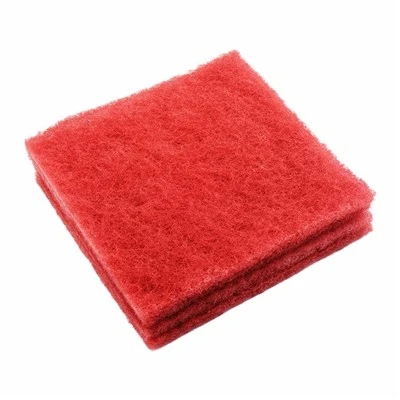
You might be wondering: why does my sponge smell like that in the first place? It’s not just “old sponge stuff” — it’s science, plain and simple. Scrub sponges are made of those porous, crumbly cellulose or polyurethane materials that are perfect for trapping food particles, water, and gunk. And where there’s moisture and organic matter (like leftover tomato sauce, coffee grounds, or bits of egg), bacteria and mold love to party. I’ve tested this myself: when a sponge is left soaking in a puddle of water on the counter, those little microbes multiply so fast you can’t even see them, and their byproducts are what cause that stinky odor. It’s not just bad smells, either—studies say those bacteria can include things like E. coli and salmonella, which is why tossing a stinky sponge every week is actually a health call, not just a cleanliness one.
Now, let’s get into the good stuff: how to get rid of that smell for real, not just mask it with lemon or soap. I’ve tried every trick in the book over the years, from the weird ones people post on TikTok to the science-backed methods I learned working with manufacturers, and these are the ones that actually work. Let’s break ‘em down by how easy they are, so you can pick what fits your schedule.
First up, the quick daily fix—because this is the best way to prevent odor before it starts. I know, after washing dishes, you just want to toss the sponge in the sink and call it a day, but taking 10 extra seconds makes all the difference. Squeeze the hell out of it when you’re done. Not just a little squeeze—wrap it in a paper towel and wring as hard as you can. Most people leave sponges wet, and that’s the #1 mistake. If water sits in those pores for hours, bacteria grow overnight. Also, don’t leave it in the sink! Hang it up somewhere dry—there are these little sponge holders that clip to the faucet, or even a nail on the side of the cabinet. I tell all my bulk buyers for restaurants to get those because their sponges get way more use, and hanging cuts odor by like 70%. It sounds silly, but trust me, it works.
If you’ve already got a stinky sponge, the first deep clean trick I swear by is microwaving it. Wait, don’t panic—this is totally safe if you do it right. I test this every month on old test sponges because our quality control team insists. Just dampen the sponge all the way through (if it’s dry, it could catch fire!), put it in the microwave for 1 minute on high. That’s it. The heat kills 99.9% of bacteria and mold, and it gets rid of the smell. I once had a customer who swore by this—she said her sponge stopped stinking for two whole weeks, which was unheard of for her. Pro tip: don’t microwave metal sponges, obviously. Our scrub sponges are all non-metal, so this is perfect for ‘em. Also, let it cool down for 30 seconds before touching it, it’ll be hot.
Next, if microwaving freaks you out (I get it, my roommate still won’t let me microwave sponges in their kitchen), go the vinegar and baking soda route. This is the old-school, no-fuss method that’s way gentler if you’re worried about breaking down the sponge material. Mix equal parts white vinegar and water in a bowl, let the sponge soak for 15 minutes. Then, take it out, sprinkle a handful of baking soda all over it, scrub it a little with your hands, and rinse it. The vinegar kills bacteria and breaks down gunk, the baking soda absorbs odors and polishes the scrub part. I used to do this with my personal sponge years ago, before I started this business, and it worked way better than just using soap. Bonus: the vinegar smell goes away once it dries, so no weird after-scent.
Another method that’s great if you have a dishwasher—pop it in the silverware basket on the top rack on the hot cycle. The high heat from the dishwasher kills bacteria just like the microwave, and it’s hands-off. I recommend doing this once a week for heavily used sponges (like restaurant ones) and once every two weeks for home use. Just make sure it’s not touching any sharp metal utensils, because it could scratch the scrub side, but it’s totally safe. I’ve had dozens of my supply clients tell me this is their go-to—super easy, no extra work.
Wait, what about lemon? I see a lot of people say to toss a sponge in a pot of boiling water with lemon slices. That works too, but it’s more of a “mask plus kill” than a total fix. The lemon adds a fresh scent, but the boiling water kills some bacteria. But if you skip the actual cleaning part, the lemon smell will fade and the odor comes back. So use lemon as a little boost, not the main event.
Now, let’s talk about when you should just toss the sponge, even if you clean it. No method works forever—sponges wear out. If the scrub side is frayed, the sponge is falling apart, or the smell comes back within 2 days of cleaning, it’s time. I recommend replacing a personal sponge every 2 weeks, and a commercial one (used for washing dishes, counters, etc.) every week. That’s not me trying to sell more sponges—seriously, that’s the sweet spot. A sponge that’s too old, even if it’s clean, can trap more gunk, and the scrubber stops working. Plus, our sponges are affordable, so it’s not like you’re breaking the bank.
Here’s a pro tip I learned working with kitchen managers: don’t use your scrub sponge for more than one job. I see people use the same sponge for dishes, the bathroom, the sink, the stove—huge mistake. That cross-contamination brings all kinds of gunk from different places, leading to way worse odors. Use one sponge for dishes, one for the counters, one for the bathroom, etc. If you run a café or restaurant, that’s non-negotiable for hygiene, but even at home, it makes a big difference.
Now, since I run a scrub sponge supply business, I should mention that not all sponges are created equal. Cheap sponges from the dollar store have way more porous, low-quality materials that hold onto water and gunk way more, so they stink faster. The sponges we supply are made with dense but flexible cellulose and a tough, non-scratch scrubber that’s designed to release water easily when you squeeze, so less moisture stays trapped. We test every batch to make sure they resist odor-causing bacteria, and that’s why a lot of our customers switch from dollar store sponges once they try ours.
But back to you—if you’re dealing with a stinky sponge right now, try the quick squeeze first, then the microwave, then the vinegar soak. Most of the time, one of these works. If not, toss it and get a new one (pro tip: if you order in bulk, it’s way cheaper than buying single sponges every week).
Before I wrap this up, let’s cut through the B.S. No, “boiling it on the stove” isn’t necessary for most people—microwaving or the soak method is just as good. No, essential oils don’t work long-term, even if they smell nice—they just mask the odor, not kill the bacteria. And no, leaving it in the dishwasher every day isn’t good for the sponge, it wears it out faster.
At the end of the day, getting rid of sponge odor is all about keeping it dry, cleaning out the gunk regularly, and not using it past its prime. If you’ve tried all these tricks and still have stinky sponges, or if you’re in the market for durable, low-odor scrub sponges for your home or business, hit me up to talk supply. I’ve got options for every need, from single packs for your kitchen to bulk orders for restaurants, cafes, or janitorial services.
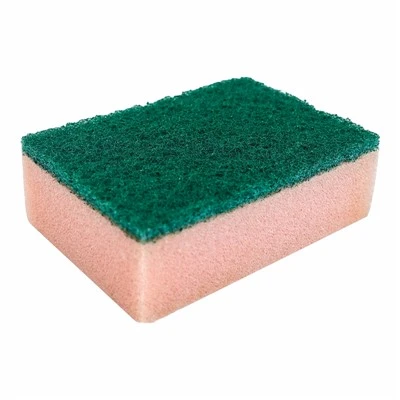
Don’t let a stinky sponge ruin your kitchen vibe or hygiene—these fixes are simple, science-backed, and actually work. Now go grab that sponge, give it a squeeze, and get it smelling fresh again.
Abrasive Pads References
- U.S. Food and Drug Administration. (2020). Food Safety: Cleaning and Disinfecting Kitchen Surfaces.
- University of Arizona Environmental Research Laboratory. (2017). Bacterial Contamination of Kitchen Sponges and Cloths.
- Journal of Environmental Health. (2019). Efficacy of Household Methods for Reducing Bacterial Load in Sponges and Scrub Brushes.
- International Association of Certified Home Inspectors. (2021). Kitchen Hygiene: Common Odor Sources and Prevention.
Guangzhou YION New Material Technology Co., Ltd.
As one of the most professional scrub sponges manufacturers and suppliers in China, we offer a wide range of products with superior quality. Please feel free to buy customized scrub sponges made in China here from our factory. Also, quotation is available.
Address: Room 110, Building 2, No.2 Jinhuan Street, Nansha District, Guangzhou City, Guangdong Province, China.
E-mail: info@yiontech.cn
WebSite: https://www.yionpads.com/
