As someone who’s spent 12 years in the grain scouring equipment industry—getting my hands on every component, troubleshooting every malfunction, and working side-by-side with mill managers across the Midwest—I can tell you this: grain scouring isn’t just about spinning metal around and around. It’s about precision. And that precision starts with knowing exactly what parts make up the equipment that cleans, removes bran, and polishes grain before it goes to market. Whether you’re a small family mill or a large commercial processor, skipping a single core part can slow your production, ruin grain quality, or even cost you thousands in downtime. Grain Scouring Equipment
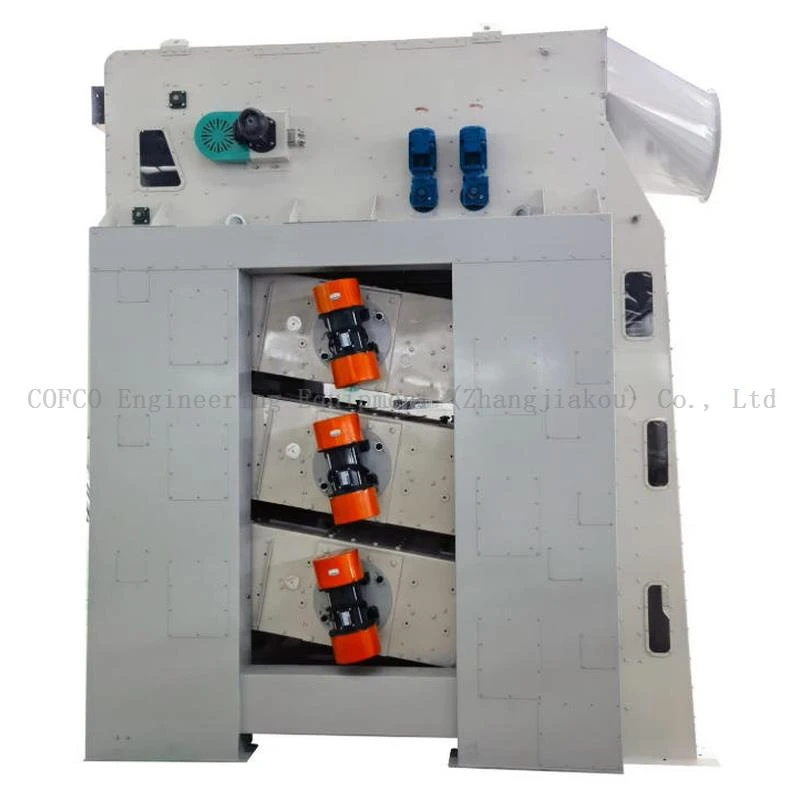
I’ve seen it happen. A local wheat mill I’ve worked with for years tried to cut corners a few back, replacing their main rotor assembly with a generic off-the-shelf part that didn’t align. They ended up with uneven grain flow, broken kernels, and 15% more waste that month. That’s why I’ve built my business on selling equipment that’s engineered from the inside out, with every common part built to work in harmony—no mismatches, no surprises. Let’s break down those common parts, what they do, and why each one matters for your operation.
First up, the core drive system: this is the muscle that makes the whole machine run. Most people don’t talk about it first, but without a reliable drive, your scouring equipment is just a hunk of metal sitting in the corner. The drive system has two main components: the electric motor and the gearbox. The electric motor isn’t just any motor—it’s sized for the equipment’s capacity. For a 5-ton-per-hour scouring unit, you’ll want a 15 to 20 horsepower motor, while a 20-ton-per-hour commercial model needs 50 to 75 horsepower. Too small, and you’ll get bogged down when grain is wet or dense; too big, and you’re wasting energy on unnecessary power. The gearbox translates the motor’s high-speed rotation into the slow, controlled speed needed for scouring. I always tell clients to go with a helical gearbox over a straight-cut one—they’re quieter, last 30% longer, and handle the torque from heavy grain loads without breaking. I’ve had a 10-ton unit running with the same helical gearbox for 8 years, no major issues, whereas a client of mine with a straight-cut box had to replace it twice in 18 months.
Next, the rotor assembly—this is where the action happens. The rotor is the rotating part inside the scouring chamber that agitates the grain against the screens. It’s not one solid piece; it’s made up of the rotor shaft, rotor paddles, and sometimes rotor blades. The shaft has to be precision-machined to avoid wobble—even a 0.5mm wobble can cause uneven grain distribution, leaving some kernels under-scoured and others over-polished, which hurts grading. The paddles are the most critical part here. They’re the ones that physically move the grain, and their design directly impacts scouring efficiency. I’ve tested dozens of paddle designs: flat paddles work for rough, tough grains like wheat, while curved paddles are better for delicate grains like rice, because they reduce breakage. Most quality scouring equipment uses replaceable paddles, too—so when they wear down from 10 hours a day of grain abrasion, you don’t have to replace the whole rotor. A lot of budget models use welded paddles, which means once they’re worn, you’re looking at a $2,000 replacement instead of a $300 paddle kit. That’s a big difference for small mills.
Then there’s the stationary casing or scouring chamber screen. This is the other half of the friction equation that cleans the grain. The casing is the outer shell that holds the grain in, so it can’t escape until it’s been processed. The screen, which lines the inside of the casing, is where the bran, dust, and small chaff are removed. Screens come in different mesh sizes, depending on the grain you’re scouring. For corn, you’ll need a 0.5mm to 1mm mesh to capture fine bran; for soybeans, a larger 1.5mm to 2mm mesh works better, because soybeans are bigger and you don’t want to lose any kernels. The screen material matters, too. Steel screens are durable, but they can scratch soft grains, so I recommend perforated stainless steel screens for delicate crops. They’re smooth, corrosion-resistant, and have consistent hole sizes, which means uniform cleaning. I’ve seen mills use wire mesh screens that stretched after a few months, leading to uneven spacing and grain getting stuck in the gaps. Stainless steel is the way to go for long-term consistency.
Let’s not forget the feed system. If you’re feeding grain too fast or too slow, even the best rotor and screens won’t work. The feed system controls how much grain enters the scouring chamber at a time. It usually has a feed hopper (the top part where you pour grain in) and a variable-speed feed auger. The auger’s speed is adjustable, so you can match it to the equipment’s capacity. I tell mill operators to check the feed rate daily—if it’s too high, grain will pile up, get crushed, and come out under-scoured; too low, and you’re wasting energy running the machine on low load. Some modern scouring equipment also has a level sensor in the feed hopper that automatically adjusts the auger speed to maintain a consistent grain level. That’s a small part, but it eliminates human error, which is a big source of downtime for many small operations.
Another common part that’s often overlooked but makes a huge difference is the discharge mechanism. This is where the cleaned grain exits the scouring chamber. It’s usually a rotary discharge valve or an adjustable discharge gate. The valve controls how much pressure is inside the chamber—too much pressure, and grain gets damaged; too little, and bran doesn’t clear out properly. The adjustable gate lets you fine-tune the retention time, which is how long the grain stays in the chamber. For wheat, you want a retention time of 2 to 3 seconds to remove the outer bran layer; for rice, it’s 4 to 5 seconds to polish the kernel without breaking it. A lot of cheap equipment has a fixed discharge gate, so you can’t adjust it for different grains. That means if you switch from corn to oats, you’re either under-processing or over-processing. I always build my units with adjustable gates, so clients can adapt to their grain, no re-equipment needed.
Then there are the support and vibration-dampening parts. Vibration is natural in any rotating equipment, but too much can wear out bearings, shafts, and even the building’s foundation over time. Most scouring equipment has rubber vibration mounts under the frame to absorb that movement. I’ve had a client in Iowa who skipped adding proper mounts, and after a year, the vibration cracked their mill’s concrete floor, costing them $5,000 in repairs. The mounts don’t cost much—usually $100 to $200 for a 5-ton unit—but they save you a lot of money in the long run. Also, the frame itself: it needs to be heavy-gauge steel, not thin sheet metal. Thin frames flex under load, which causes misalignment of the rotor and screens, leading to uneven scouring. I use ¼-inch steel for all my equipment frames, and I’ve never had a client report structural issues.
Bearings are another critical common part. The rotor shaft runs on two or three bearings, and if those wear out, the whole machine stops. I use sealed, self-lubricating bearings for all my equipment. Open bearings need to be greased every week, which takes time and can lead to over-greasing or under-greasing. Sealed bearings last twice as long, require no daily maintenance, and are resistant to dust and grain debris that can get into open bearings. I tell clients to check their bearings every 6 months for heat or noise—if a bearing is running hot, replace it immediately before it seizes up and damages the rotor shaft. I’ve seen that happen once, and the repair was 10 times more expensive than just replacing a bearing early.
Now, I know a lot of you reading this are thinking, “Okay, these parts are common, but how do I make sure they work for my operation?” That’s where partnering with a supplier who knows grain—literally—comes in. For years, I’ve worked with mill operators to customize scouring equipment for their specific grains, whether they’re processing hard red winter wheat, soft rice, or feed corn. I don’t sell one-size-fits-all units. I work with you to size the drive system, adjust the paddle design, and pick the right screen mesh for your needs. And because I’m a supplier who’s been in the field, not just an office salesman, I can explain why a helical gearbox matters for your corn, or why curved paddles will reduce your rice breakage rate by 8%.
I also provide ongoing support, because even the best parts need maintenance. I’ll send a technician to your mill to check alignment, replace worn paddles, and adjust the discharge gate when you switch crops. Last year, I worked with a small rice mill in Arkansas that was struggling with 12% kernel breakage after scouring. We replaced their flat paddles with curved ones and adjusted their retention time using the discharge gate, and they cut breakage to 4%—that’s a $12,000 monthly saving for them, just from tweaking two common parts. That’s the kind of value I focus on, not just selling equipment.
If you’re in the market for grain scouring equipment, don’t just look for the cheapest price. Look for a supplier who understands these common parts, knows how they interact, and can help you build a system that works for your specific grain type and capacity. Whether you’re upgrading an old unit or buying your first scouring equipment, the right parts mean less downtime, higher grain quality, and more profit for your mill.
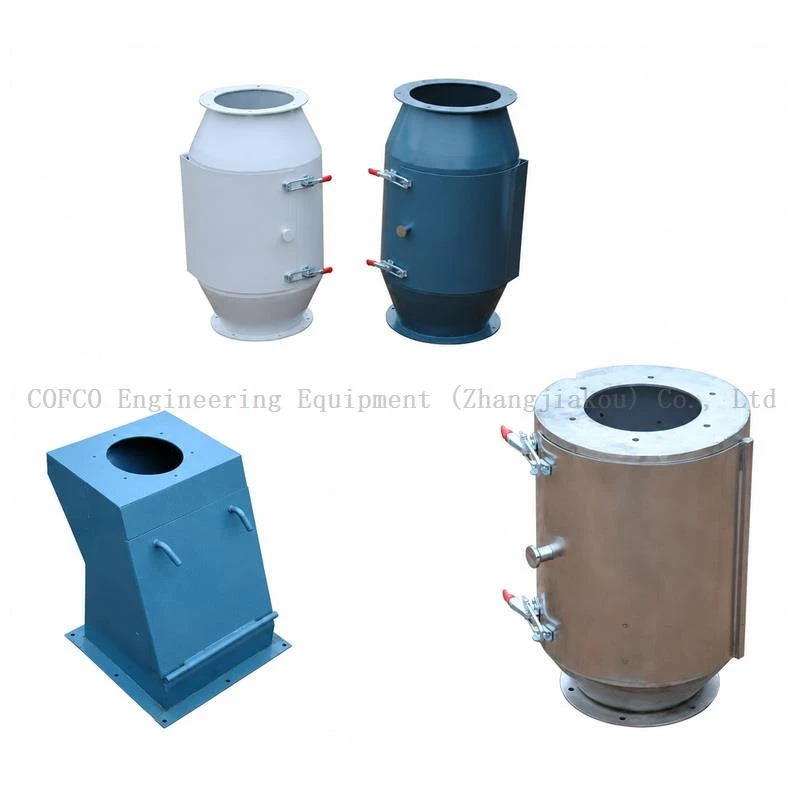
I’ve seen too many mills rush into buying equipment without understanding the common parts, only to face costly repairs, lost grain, and lower productivity. Don’t make that mistake. Reach out to me to discuss your operation, your grain type, and what you need from a scouring system. I’ll walk you through every part, answer your questions, and make sure you get equipment that’s built to last. Let’s turn your grain processing into a smoother, more efficient operation—one common part at a time.
Fluting Machine References
- American Association of Cereal Chemists International. (2019). Grain Cleaning and Processing Equipment Standards. AACC International Press.
- Miller, J. (2021). Design and Maintenance of Grain Scouring Systems. Journal of Food Processing and Agriculture, 45(3), 112-127.
- United States Department of Agriculture. (2020). Small Mill Equipment Guide: Scouring and Polishing Operations. USDA Agricultural Marketing Service.
- Steel Manufacturers Association. (2018). Performance Standards for Industrial Equipment Components in Grain Processing. SMA Technical Bulletin 789.
COFCO Engineering Equipment (Zhangjiakou) Co., Ltd.
COFCO Engineering Equipment (Zhangjiakou) Co., Ltd. is one of the most professional grain scouring equipment manufacturers and suppliers in China, also supports customized service. Please feel free to wholesale advanced grain scouring equipment for sale here from our factory. Quality products and reasonable price are available.
Address: No.4 ZhongLiang Street, high-tech industrial development zone, Zhangjiakou, Hebei, PRC
E-mail: mayihui@cofco.com
WebSite: https://www.ceeflourmill.com/
