If you’ve ever spent time troubleshooting barcode labels, shipping tags, or asset tags for a warehouse, retail backroom, or manufacturing floor, you’ve probably wrestled with the two most common label printing techs: direct thermal and thermal transfer. For years, those of us who supply resin ribbons have heard the same question over and over: “Do resin ribbons even work with direct thermal printers?” Resin Ribbon

Let’s cut through the confusion right away. If you’ve ever picked up a thermal printer, you might assume it only uses one ribbon type—like how a inkjet only takes ink cartridges. The truth is, the lines are blurrier than most label tech blogs make them out to be. And as a resin ribbon supplier, I’ve spent years fielding this question from customers who’ve either tried and failed, or who’ve just heard horror stories from a buddy in the supply chain.
First, let’s pull back the curtain on how these two printer types actually work, because that’s where the biggest myths start. Direct thermal printers don’t use ribbons at all, right? They work by heating a special chemically coated label stock—when the heat hits, the coating turns dark to create text, barcodes, or images. That’s why direct thermal is cheap, fast, and perfect for short-term use like grocery receipts or same-day shipping labels that won’t be stored for months. The catch? That chemically coated paper breaks down when exposed to heat, sunlight, harsh chemicals, or just time. A receipt from a package mailed two years ago? It’s probably faded to illegibility, if it even exists.
Thermal transfer printers, meanwhile, use a ribbon—wax, wax-resin, or pure resin—to transfer ink onto any label stock, even plain paper, polyester, vinyl, or polypropylene. The ribbon is a thin film coated with ink, and the printer’s heat elements melt that ink onto the label, creating a bond that’s way more durable than direct thermal’s chemical reaction. Resin ribbons, the heavy-duty cousin of wax ribbons, use a tough, heat-resistant ink that can stand up to industrial environments—extreme temperatures, harsh chemicals, scuffing, UV light, even water exposure. That’s why resin is the go-to for asset tags, industrial barcodes, and logistics labels that need to last years, not months.
So here’s the million-dollar question: Can you run a resin ribbon through a direct thermal printer? The short, honest answer is: Usually not, unless you’re jumping through a ton of hoops most suppliers don’t bother with. But let’s break this down beyond the yes/no, because there’s a layer of nuance that most people miss.
The core reason it’s not standard is the print head. Direct thermal printers have a much lower heat threshold than thermal transfer printers. Their heat elements are designed to trigger that chemical coating on direct thermal stock, not to melt thick, tough resin ink. If you try to load a resin ribbon into a standard direct thermal printer, one of two things happens: Either the resin ink won’t melt at all, leaving faint or no print, or you’ll burn through the ribbon’s base film, leaving messy ink blobs on your labels, and even damaging the printer’s expensive print head—something that can cost hundreds of dollars to replace.
But wait, I’ve seen a handful of industrial label shops pull this off for very specific use cases. Let’s talk about those edge scenarios, because they matter if you’re stuck with a direct thermal printer but need resin-level durability. First, you need a modified direct thermal printer—one with a variable heat setting that can crank up to the high temperatures resin requires (usually 120°C to 180°C, vs. 80°C to 120°C for wax ribbons). You also need ultra-thin resin ribbons designed specifically for low-heat transfer, not the heavy industrial resin ribbons we supply for thermal transfer printers. These thin resins have a lower melting point, so they’ll work with a direct thermal’s higher heat output without burning through.
Even if you do that, there are tradeoffs. The print quality won’t match what you get from a dedicated thermal transfer printer. The resin is so thin that it can be prone to smudging if handled within a few minutes of printing—something that’s not an issue with standard thermal transfer. And most direct thermal printers aren’t calibrated for ribbon tension, so you’ll get misaligned prints or ribbon jams more often than you would with dedicated hardware.
I’ve had customers come to me after a bad experience trying this hack. A few months back, a warehouse manager named Mike reached out because he had a fleet of 10-year-old direct thermal printers he couldn’t afford to replace, but he needed asset tags that would hold up to the -20°C freezer temperatures he used for frozen seafood shipments. He’d tried running a wax ribbon through his printers, and the labels would fade in less than a month. He’d heard a rumor online that resin would work, so he bought a cheap generic resin ribbon from a big box office supply store, plugged it in, and ended up with $2,000 worth of melted ribbons and a broken print head.
We walked through his options, and instead of forcing resin on his direct thermal printers (the fix he’d read about online), we suggested a middle ground: a wax-resin ribbon designed for low-temperature printing, calibrated for his direct thermal printers, plus switching to a freezer-compatible direct thermal stock. The result? His labels lasted 18 months in the freezer, no broken printers, no headaches. Mike was relieved, and we ended up turning him into a repeat customer for all his labeling needs. That’s when I realized how much misinformation is out there about this topic—most of it from people who’ve never actually run a resin ribbon through a direct thermal printer, just read a blog post from someone who’s never touched a roll of resin in their life.
Now, let’s talk about what actually does work, if durability is your main goal. If you need resin-level performance, the right move is not to hack your direct thermal printer—it’s to upgrade to a dedicated thermal transfer printer. It sounds like extra cost upfront, but when you calculate the cost of reprinting faded labels, losing inventory to unreadable barcodes, or paying to replace a broken direct thermal printer that can’t handle harsh environments, it’s a no-brainer. Thermal transfer printers are built to run resin ribbons, so you’ll get crisp, consistent prints, no jams, and print heads that last for years.
But I’m not here to tell you resin is the only solution. For short-term labels—grocery receipts, same-day shipping labels, event badges that only need to last a week—direct thermal is more than enough, and it’s way cheaper than thermal transfer. The mistake most people make is trying to shoehorn a solution into the wrong hardware, just to save a few bucks upfront.
Over the years, I’ve had customers test every edge case: resin ribbons in direct thermal, wax in thermal transfer, even mixed ribbon types in the same printer. The one consistent rule I’ve learned is: Hardware is built for a purpose. Direct thermal = short-term, low-stakes labels, no ribbons needed. Thermal transfer = durable, long-term labels, wax or resin ribbons depending on your needs.
If you’re still asking, “Wait, can I really use resin with my direct thermal printer?” here’s the honest summary: For 99% of use cases, no. It’s not worth the risk of damaging your printer, wasting expensive resin ribbon, or ending up with unreadable labels. The small handful of scenarios where it works require specialized equipment and ribbons that most small businesses don’t have access to, and even then, it’s a clunky, temporary fix.
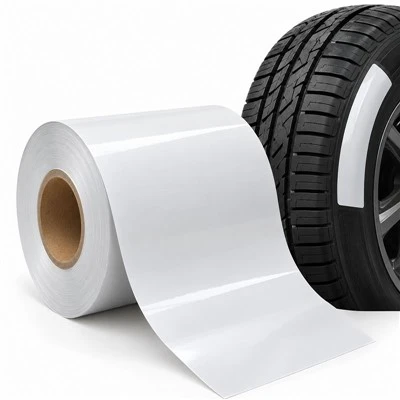
If you’re tired of labels that fade too fast, smudge when you touch them, or fall apart after a few months, let’s chat. I’ve spent years helping customers pick the right ribbon and printer for their specific use case—whether you need affordable wax for short-term shipping labels, heavy-duty resin for industrial asset tags, or a middle-of-the-road wax-resin that works for warehouse and retail applications. No confusing jargon, no upselling you something you don’t need, just real advice from someone who’s been in the ribbon game long enough to know what works, and what’s just a bad rumor online.
White PET If you’ve got questions about resin ribbons, thermal transfer printers, or label durability for your business, reach out. We can walk through your exact needs, help you avoid the mistakes I’ve seen hundreds of customers make, and get you set up with a labeling solution that works for years.
China Lisontec New Material Co., Ltd.
We are one of the most professional resin ribbon manufacturers and suppliers in China, also support customized service. As we have world-leading production equipment and strong manufacturing capabilities, we warmly welcome you to wholesale bulk resin ribbon made in China here from our factory.
Address: 8-107, Xianlin Valley, Qimin West Road Qixia, Nanjing, China
E-mail: info@lisontec.com
WebSite: https://www.lisontec.com/
