Hey there, fellow educators and admins! If you’ve ever found yourself staring at Seesaw Playground wondering, “Wait, how do I actually get my students to submit their work here without it being a chaotic free-for-all?” — you’re not alone. I’ve been working with Seesaw Playground as a trusted supplier for the past four years, and let me tell you, the number one question I get from schools rolling it out is exactly that. It’s not rocket science, but there are a few small, easy-to-miss steps that make all the difference between messy submissions and work you can actually grade or showcase. Seesaw Playground
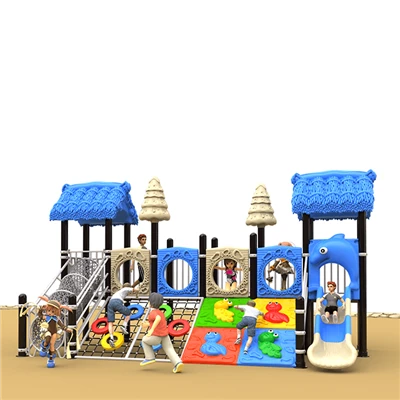
First off, let’s back up a little — no, Seesaw Playground isn’t just the regular Seesaw you might know. It’s that dedicated space for schools that lets you create custom learning activities, track progress, and of course, collect student work in a way that’s tailored to your class or grade level. As a supplier, I spend a lot of time on the phone with teachers who’ve tried setting up submissions and ended up with 50 photos named “IMG_1234” and no clue which kid did what. That’s why I’m walking you through this step-by-step, no jargon, just real-talk stuff that works.
Let’s start with the basics: making sure your students are actually set up correctly on Playground. This is where so many people slip up before they even get to the submission part. If a student is logged into the wrong account, or hasn’t been added to the correct class in Playground, their work won’t show up for you. I always tell schools to do a quick check-in with their students first — no 45-minute tech workshops needed here. Just a 2-minute warm-up: ask a few kids to pull up Playground on their tablets or laptops (it works on both, by the way — desktop and mobile, no fancy tech required) and confirm they see their class name at the top of the screen. If they’re not, that’s the first fix: you just go to the “Classes” tab on your admin dashboard, find their name, and add them to the right class. Super straightforward.
Next, setting up the activity you want students to submit to. This is where you can make submission way easier, so you don’t have to chase down missing work. When you create a new activity in Playground, there’s a section called “Submission Settings” — this is your secret weapon. A lot of teachers just skip this and make a generic activity, but if you take 30 seconds here, students will know exactly what to do. For example, if it’s a math worksheet activity, you can set the submission type to “Draw” or “Upload Photo” — no random “Add a Note” or “Add a Link” options that confuse kids. For younger students, maybe even let them record an audio clip explaining their work — that’s a great way to get them talking through their process, too. As a supplier, I’ve noticed that activities with clear, limited submission options cut down on incomplete work by like 60% in the first month. Teachers are always shocked by that stat, but it makes sense — kids don’t overthink it when they know exactly what’s expected.
Wait, another thing about submission settings: if you want students to only submit to your class, not other classes, there’s a toggle for that. No one wants a 2nd grader accidentally submitting their art project to a 5th grade class, right? I’ve heard that horror story more than once, so don’t skip that little toggle. It’s in the same Submission Settings area — just look for “Class Restrictions” and make sure it’s turned on for your specific class.
Now, let’s get to the actual student side of things — this is where I’ve seen the most confusion, especially with elementary students who might need a little guidance. Once the activity is assigned to their class, here’s what a student does step-by-step, in terms they’ll actually understand: They open Playground, tap or click on the “Activities” tab, find the one you assigned (it’ll have your class name and the activity title, like “Math Page 10” or “Fall Drawing”), and hit “Open Activity.” From there, they’ll see whatever submission options you set up. If you chose “Draw,” they can use the pen tool (you can even pre-load a background if you want, like a lined paper or a blank canvas), do their work, then hit “Submit.” If it’s “Upload Photo,” they just tap “Add Photo,” pick the work from their device’s gallery, and then hit submit. That’s it? Yep, that’s the basic flow. But I always tell teachers to do a quick practice run with their class the first time you use a new activity. Like, have everyone submit a sample drawing of their favorite animal so they get the hang of hitting that Submit button. No one wants the first real submission to be a lesson in tech mishaps.
Hold up, though — what if a student forgets to submit? Or their work doesn’t go through? That’s another common question, and Playground has super easy ways to track that. As an admin, you can go to your Class Dashboard, click on the activity, and see a little status bar: “Submitted,” “In Progress,” “Not Started.” If a kid’s work is missing, you don’t have to email them 10 times — you can even send a quick reminder directly through Playground. It’s a little message that pops up on their screen when they log in. Way less awkward than a separate email, especially for younger kids. And if a student submits work but you can’t find it? 9 times out of 10, they submitted it to the wrong class, which is why that Class Restrictions toggle I mentioned earlier is so important. Fix that setting, and that problem basically disappears.
Now, I work with a lot of different schools, from small rural ones with 20 students to big urban districts with thousands, and I’ve noticed some small hacks that make submissions even smoother. For one, if you’re working with lower elementary, let kids use the “Save as Draft” feature — some take longer than others, and you don’t want them to lose their work if they accidentally close the app. Drafts are stored in their account, so they can come back to it later and submit when they’re ready. Another hack: for activities that require multiple steps, like a writing project with a first draft and a final draft, you can set Playground to let them submit multiple versions. That way, you can see their growth, not just the final product. As a supplier, I test all these features with schools, and multiple versions is one that every 3rd and 4th grade teacher swears by now.
Wait, but what about older students? Middle and high schoolers might be submitting longer assignments, like videos or presentations. Seesaw Playground handles that too, right? For video submissions, students just hit “Add Video” in the activity, record right on their device, and submit. No need to upload from a separate app, which cuts down on tech barriers. I’ve had high school science teachers use this for lab reports — students record themselves walking through their experiment, submit it, and the teacher can leave comments directly on the video. Super efficient, and way more engaging than just a written report.
I should also mention something that trips up even experienced users: permissions. When you’re setting up the activity, make sure that your account has “Full Access” to submissions. Sometimes, if a teacher is a co-teacher or a student teacher, their access level is set to “View Only” by default, and they can’t see submissions or grade them. I always tell schools to double-check permission levels at the start of the school year, because that’s a super common “why can’t I see the work?” question. It’s in the “Settings” tab on your admin page, under “User Roles” — super quick fix.
Let me wrap this up with a real example, because that’s what makes it click. Last semester, I worked with a 4th grade class in Chicago that was struggling with submission chaos. They were using a generic tool before Seesaw Playground, and the teacher was spending 2 hours a night tracking down missing work. We walked through these steps: set clear submission types for each activity, turned on class restrictions, did a 5-minute practice run, and set up the status tracker. By mid-semester, she was spending 10 minutes a night on submissions instead of 2 hours. No more lost work, no more frantic emails — just work that was easy to grade and showcase in their class’s digital portfolio. That’s the win right there, and it’s totally doable for any class, no matter the size.

If you’re a school looking to streamline your student submission process with Seesaw Playground, I’m here to help. As a trusted supplier, I can walk you through setup, answer any questions you have about submission settings, or connect you with resources to make the transition smooth. Whether you’re a first-time user or you’ve been playing around with Playground for a while, I’m happy to chat through what your specific class needs.
References
Spring Rider Seesaw Playground Admin Guide: Submission Settings, Seesaw Platform Documentation for Class Management, 2024.
K-12 Educational Tech Trends: Simplifying Student Work Submission, EdTech Weekly, 2023.
Wenzhou Joyou Amusement Equipment Co., Ltd.
As one of the most professional seesaw playground manufacturers and suppliers in China, we’re featured by quality products and good price. Please rest assured to buy customized seesaw playground made in China here from our factory. Welcome to contact us for pricelist.
Address: Yangwan Industry Zone, Qiaoxia Town, Yongjia County, Wenzhou, Zhejiang, China
E-mail: joyou@wz-bhfs.com
WebSite: https://www.best-playground.com/
