Hey there, fellow two-wheelers! If you’ve ever spent time around motorcycles—whether you’re a weekend rider, a full-time courier, or even just someone who fixes bikes in their garage—you’ve probably heard the phrase “proper tire pressure” a million times. But let’s get real: how many of us actually stop to think about the tube inside that tire? Most folks just see a black rubber thing holding air, right? As someone who’s been in the motorcycle tube game for years—supplying tubes to riders, shops, and fleet operators across the country—I’m here to tell you that proper inflation for that tiny, underrated part is way more important than you might think. It’s not just about avoiding a flat on the road (though that’s a huge one). It’s about performance, safety, keeping your costs low, and even making your bike last longer. Let’s break this down like we’re chatting over a beer after a ride, no boring engineering jargon unless we need it. Motorcycle Tube
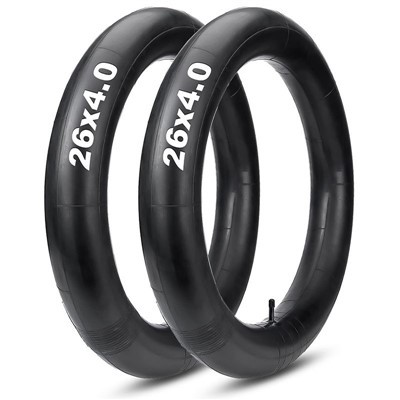
First off, let’s set the scene. Last month, I got a call from a guy named Jake—he’s a freelance motorcyclist who does last-minute delivery runs for local restaurants. He said his bike had been feeling “squirmy” for weeks, and he’d had three flats in the past month. I asked him what his tire pressure was, and he goes, “Uh… I just fill ’em up until they look right, y’know?” Sound familiar? Turns out he was running his front tube at like 15 PSI when his manual said 28, and the rear was 20 instead of 32. That’s a perfect example of what happens when you guess on tube inflation. Let’s start with the big one: safety. Motorcycles are way less stable than cars—one wrong move can lead to a crash, and tire pressure (and thus tube inflation) is a make-or-break factor here.
When a tube is underinflated, it does something called “flexing excessively” every time the wheel turns. Imagine a rubber band you twist over and over—eventually, it gets weak and snaps. That’s exactly what’s happening to your tube, but way faster. The sidewalls of the tire (and the tube inside) bend so much that the rubber starts to degrade from the heat. Over time, that can cause a blowout—especially at highway speeds. I’ve seen this first-hand with a fleet of delivery bikes a few years back: they were running on underinflated tubes because their driver never checked, and two of them blew out on a busy highway. No one got hurt, but the bikes were totaled, and the downtime cost that company thousands. Overinflation is dangerous too—if a tube is pumped too hard, it can’t absorb bumps. Hit a pothole or a rock the wrong way, and the tube can burst directly from the pressure spike, or the tire can separate from the rim, leading to a loss of control. That’s the kind of stuff that keeps me up at night, especially when I know riders are ignoring basic inflation checks.
But safety isn’t the only win here—performance is a huge one, too. Let’s talk about handling. If your tube is properly inflated, the tire sits on the road the way it’s supposed to. Underinflated, the tire’s contact patch (the part that touches the asphalt) is way bigger than it should be, which makes your bike feel sluggish. It’s like riding with the brakes slightly on—you’re wasting energy, so your gas mileage drops, and you have to work harder to accelerate and steer. I’ve had customers tell me that just by adjusting their tube pressure to the recommended level, their gas mileage went up by 5-10%. That’s no small change, especially if you’re riding every day. On the flip side, overinflated, the contact patch is tiny—like, just the center of the tire. That means less traction, especially in wet weather or on loose gravel. I don’t care how good your riding skills are; if your tires aren’t making proper contact, you’re at a way higher risk of sliding out.
Then there’s wear and tear—for both the tube and the tire, which saves you a ton of money in the long run. A friend of mine owns a motorcycle repair shop, and he tells me that 70% of the tube replacements he does are from underinflation. Why? When a tube is flexing nonstop, it rubs against the inside of the tire. Over time, that friction wears holes in the tube, and you get a flat that could’ve been avoided with a 2-minute check. Overinflation causes different problems, but they’re just as expensive: the tube is rigid, so it’s more prone to punctures from small rocks or debris that would’ve just bounced off a properly inflated tube. Plus, if the tire is overinflated, the tread wears out in the center way faster than the edges. You’ll end up replacing your tires way sooner than you should, and that’s a big expense. I always tell my customers: “Spend 5 minutes a week checking your pressure, and you’ll save hundreds on tubes, tires, and repairs.”
Wait, let’s get specific for different types of riders, because not everyone runs the same pressure. A casual rider who takes their bike out on weekends for cruises has different needs than a courier who’s riding 8 hours a day, or someone who tows a trailer. For example, a standard cruiser tube might be rated for 28-32 PSI when unloaded, but if you’re towing a small trailer with a cooler and gear, you need to bump that up 2-3 PSI. If you’re a off-road rider—you know, hitting dirt trails—you run way lower pressure, but that’s a whole different ballgame (though even then, there’s a minimum, and you should check before every ride). I once had an off-road customer who thought lower was always better, and he ran his tube at 5 PSI on a rock trail. The tube pinched between the rim and the rock, and he got a flat so bad he had to walk 3 miles to the nearest gas station. That’s avoidable. And for my friends who ride in extreme temperatures? Hot weather can make air expand, so if you inflate your tube in 90°F sun, come night when it’s 50°F, the pressure will drop. Cold weather does the opposite—air contracts, so pressure goes down. I always tell riders to check their pressure when the tires are cold, right before a ride, not after they’ve been going for 20 minutes. That’s the number one mistake I see.
Let’s also clear up a myth: some people think that inner tubes are “set it and forget it.” Nope. They lose air over time—like, 1-2 PSI a week, depending on the brand of tube and how old it is. The rubber is porous, so air seeps out. And if you’ve had a flat and patched it, that patch might not be 100% airtight, so you’ll lose pressure faster. So checking once a week is non-negotiable. I used to send samples of our tubes to a university’s engineering lab to test how they hold pressure, and the data showed that properly inflated our tubes lost about 1.5 PSI a week, while cheap off-brand tubes lost 3 PSI. That’s why I only supply our own tubes (wait, full disclosure: I run a small, family-owned motorcycle tube supply business, so I’m not pushing random junk here)—but the point is, even the best tubes need regular checks.
Now, I know what some of you are thinking: “I don’t have a pressure gauge, so how do I check?” Easy—grab a $5 pencil gauge at any auto parts store. It’s not fancy, but it works. Screw it onto the valve stem, press, and read the number. Compare that to your bike’s manual (or look it up online if you lost the manual—most manufacturers post tire pressure specs on their sites). And don’t forget both tires! I’ve seen people check the rear and forget the front, and that’s where the squirmy handling comes from.
Another thing: when you replace a tube, don’t just eyeball the pressure. A lot of riders will put a new tube in, pump it up until it feels firm, and then go. But that’s guesswork. Use the gauge. I had a customer last month who put in a new tube from a competitor, eyeballed the pressure, and it was at 10 PSI too high. He rode it for a week, and the tube started bulging at the seam—he came back, and I showed him how a bulging tube is a ticking time bomb. We adjusted it, and he’s been good ever since.
Let’s circle back to that Jake guy I mentioned earlier. After I talked to him, he started checking his pressure every morning before his deliveries. He started running his front at 28 PSI and rear at 32, like his manual said. In the past two months, he hasn’t had a single flat. His gas mileage went up by 7%, and he told me his bike feels way more stable when he’s making those quick turns in traffic. That’s the real win—small changes making a huge difference.
Look, I get it—motorcycle maintenance can be a pain. You’ve got enough to do fixing your chain, checking your oil, and making sure your lights work. But the tube is the unsung hero of your bike, and its inflation is not something you can ignore. It’s the difference between a fun, safe ride and a trip to the side of the road with a flat, or worse, a crash. It’s the difference between saving money on replacements and wasting cash on avoidable repairs. It’s the difference between a bike that feels great to ride and one that feels like a chore.
So if you’re reading this and you haven’t checked your tube pressure in a week, go do it right now. Grab that gauge, check both tires, adjust to the manual’s specs, and write a note on your garage wall to check it every Sunday morning. And if you’re in the market for new tubes—whether you’re a casual rider, a fleet manager, or a shop owner—hit me up. I’ve been in this game for over a decade, I supply high-quality tubes that hold pressure way better than the cheap stuff you find at big-box stores, and I can help you figure out exactly what pressure you need for your specific bike and how you ride. No sales pitch, no hassle, just real advice from someone who’s seen way too many avoidable issues because someone skipped a pressure check.
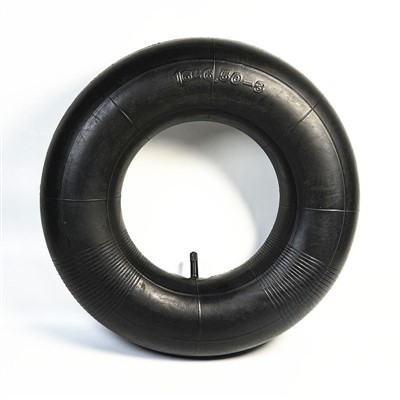
At the end of the day, motorcycles are about freedom, right? The last thing you want is that freedom cut short because you didn’t take 5 minutes to check a pressure gauge. Proper tube inflation isn’t rocket science—it’s basic maintenance, but it’s the kind that makes all the difference. Ride safe, check your tires, and I’ll see you on the road.
E-Bike Inner Tube References: Motorcycle Industry Council. (2022). Motorcycle Tire and Tube Maintenance Guidelines. Rider Magazine. (2023). “Underinflation: The Silent Killer of Motorcycle Tubes and Tires.” SAE International. (2021). Effects of Tire Inflation Pressure on Two-Wheeler Performance and Safety.
Jiangxi Vimia Tyre Co., Ltd.
We’re well-known as one of the leading motorcycle tube manufacturers and suppliers in China. We warmly welcome you to wholesale bulk high quality motorcycle tube in stock here from our factory. If you have any enquiry about quotation, please feel free to email us.
Address: Zone C, Industrial Park, Jinxi County, Fuzhou City, Jiangxi Province
E-mail: 17779452635@139.com
WebSite: https://www.cnvimia.com/
