If you’ve ever stared at the crinkled metal lid of a soup can, a soda, or a jar of pickles and wondered, “Is this actually safe?”, you’re not alone. As a metal can lids supplier who’s spent 12 years navigating the nitty-gritty of food packaging manufacturing, this question comes up at least once a week from small café owners, family-run canning businesses, and even home cooks who value transparency in what they put on their tables. Back when I started in this industry in 2011, lead was a common sight in some lower-grade lids—cheap to source, easy to mold, and seemingly harmless for non-food applications. But over the years, regulatory shifts, new materials science, and consumer demand for safety have turned “are metal can lids lead free?” from a casual side question to a non-negotiable priority. Today, I’m breaking down what I’ve learned, the science behind lead in lids, and what you need to know when choosing metal can lids for your business. Metal Can Lids
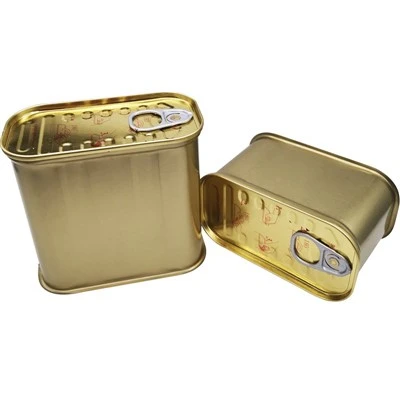
First, let’s get one thing straight: not all metal can lids have always been lead free, and that’s a fact I don’t shy away from. For decades, lead was used in two key parts of can lids that directly contact food: the sealant lining inside the lid and the metal alloy that forms the lid’s outer edge. The lining, specifically the part that creates an airtight, bacteria-proof seal between the lid and the can body, often included lead as a drying agent for the polymer coating. Lead helped the lining cure faster, stick better, and resist wear and tear during shipping and storage. As for the alloy, some manufacturers added small amounts of lead to make the lid easier to stamp into shape, preventing cracks or breaks during the high-speed production lines that crank out hundreds of cans a minute. For a long time, no one saw this as a problem—lead in these forms was thought to stay trapped in the lid, never touching the food inside.
But that changed in the 1990s and 2000s when studies started showing that lead could leach into food, especially when cans were exposed to high temperatures, acidic ingredients (like tomatoes, citrus, or pickles), or long shelf lives. A 2002 study by the U.S. Food and Drug Administration (FDA) found that some canned tomato products had lead levels exceeding the agency’s limit for drinking water, and the source was traced directly to the metal lids. That’s when regulators started cracking down. By 2010, the FDA issued a final rule banning lead in all food contact materials, including metal can lid linings and alloys, setting a maximum limit of 0.1 parts per million (ppm) of lead in food packaging materials. The European Union followed suit with its own strict regulations under Regulation (EC) No 1935/2004, which prohibits lead and other toxic metals in food contact items, with even lower limits for acidic food products.
But here’s the thing I’ve seen first-hand as a supplier: even after these regulations went into effect, some less reputable manufacturers cut corners. They’d use leftover, lower-grade metal that still had trace lead from previous production runs, or skip expensive testing to keep costs down. A few years back, I had a small craft brewery reach out to me panicking—they’d bought metal lids from a new supplier for their limited-edition seltzer, and third-party testing found lead levels just over the FDA limit. They’d already canned 10,000 units, and recalls cost them $50,000 and a chunk of their reputation. That’s when I realized that knowing if a metal can lid is technically “lead free” isn’t enough—you need to understand what that label actually means, and how to verify it.
So what makes a metal can lid lead free, anyway? Let’s break down the two main components again, because that’s where the confusion lives. First, the metal alloy. Most modern metal can lids are made from either tin-plated steel (called tinplate) or aluminum. Tinplate is more common for canned goods because it’s durable and shapes well, while aluminum is lighter and often used for soda and beverage cans. For alloys, lead is completely eliminated now—manufacturers use other materials to achieve the same moldability and strength that lead used to provide. For tinplate, that means adding small amounts of manganese, nickel, or chromium to the steel. For aluminum, they adjust the mix of magnesium and silicon to keep the lid from cracking during stamping. Testing for alloy lead levels is standard now; every batch we produce at our facility gets tested using X-ray fluorescence (XRF) spectrometers, which can detect trace metals in seconds and give us a precise reading down to 0.01 ppm.
The second, and more critical, part is the internal lining. This is the part that actually touches the food, so even a tiny bit of lead here is a huge risk. Old linings used epoxy resins with lead-based drying agents, but today’s linings are made with modified acrylics, polyesters, or epoxy-phenolic resins that don’t need lead to cure. These new linings are also more resistant to leaching, especially in acidic environments. We test our linings for leachability specifically, not just total lead in the lid. That means we simulate real-world storage conditions—keeping lids in contact with acidic food simulants (like diluted acetic acid, which mimics vinegar and pickles) at 120 degrees Fahrenheit for 10 days, then testing the simulant for lead. Our goal is to get readings below 0.05 ppm, which is well under the FDA’s limit and even lower than what many food brands require for their own safety standards.
But here’s a question I get all the time: “What about vintage cans? Are old metal can lids lead free?” That’s a big one, especially for people who home can with vintage jars or collect old canned goods. I can’t stress this enough: vintage cans and lids almost always have lead. Most cans produced before 1990, and even some into the early 2000s, used lead in both alloys and linings. If you’re home canning, never reuse metal lids, and never use old, unlabeled lids from garage sales or flea markets. Even if a vintage lid looks undamaged, it’s not safe for food contact. For anyone who collects canned goods for display, that’s fine—just don’t open them for consumption.
Another common myth is that “lead free” metal can lids are only for large brands. That’s not true. Over the past five years, small businesses—craft bakeries, artisanal jam makers, local coffee roasters—have been demanding lead free lids more than ever. And it’s not just about regulation; it’s about customer trust. A few months ago, I worked with a small jam maker in Vermont who told me her customers regularly ask if her lids are lead free. “I can’t tell them ‘I hope so’,” she said. “They pay premium prices because they trust me, and I have to trust my packaging.” That’s the sweet spot for our business: we don’t just sell lids—we provide documentation that proves they’re lead free, so small businesses don’t have to take that risk. We share batch test results, FDA compliance certificates, and even third-party audit reports on request. For our small business clients, that’s worth more than any discount.
Of course, no industry is perfect. There are still loopholes and untested products out there. For example, some imported metal can lids that come into the U.S. or EU don’t have the same testing requirements as domestic products. I’ve heard of a small seafood distributor that bought lids from a overseas supplier, only to find that the leach test showed lead levels three times the legal limit. The supplier claimed they were “lead free,” but their testing was done on the raw metal, not the finished lid with the lining, so they missed the lead in the sealant. That’s why, when you’re sourcing metal can lids, you need to ask for more than just a label. Ask for specific test results, ask about the materials used in the lining and alloy, and ask if the lids are certified for food contact. If a supplier can’t provide that, walk away.
So where do we go from here? The demand for lead free metal can lids isn’t going to slow down. Consumers are more informed than ever, thanks to social media and public health campaigns about lead exposure, which is especially dangerous for children and pregnant people. Even small amounts of lead can cause developmental issues in kids, so food manufacturers have a responsibility to prioritize safety over cost. For our team, that means investing in better testing equipment, working with material scientists to develop even more durable, lead free linings, and educating our clients about why lead free lids matter. We don’t cut corners on our testing—we’d rather have a batch of lids that we have to scrap (even if that eats into our profits) than send a lid to a customer that could put their brand or their customers at risk.
At the end of the day, the answer to “are metal can lids lead free?” is: most of the ones you’ll buy today are, but only if you source them from a reputable supplier that prioritizes transparency and testing. It’s not enough to take a manufacturer’s word for it—you have to verify, ask questions, and make sure every part of the lid, from the metal to the lining, is free of lead. I’ve been in this industry long enough to know that safety isn’t a marketing buzzword; it’s the foundation of every can that leaves our facility.
If you’re a food brand, a home canner, or a business owner looking for reliable, lead free metal can lids, I’m here to help. We work with all sizes of clients, from small startups to large national brands, and we can tailor our lids to your specific needs—whether that’s standard sizes for soup cans, custom lids for specialty jams, or lids designed for high-temperature canning. We’ll send you free sample lids, no obligation, so you can test them yourself and review our compliance documentation. Don’t take chances with your food packaging; choose lids you can trust, and choose a supplier that has your back every step of the way.
Beverage Can References
- U.S. Food and Drug Administration. (2010). Final Rule: Food Contact Materials, Lead. Federal Register.
- European Commission. (2004). Regulation (EC) No 1935/2004 on materials and articles intended to come into contact with food.
- Centers for Disease Control and Prevention. (2022). Lead Exposure and Health Effects.
- Food and Drug Administration Center for Food Safety and Applied Nutrition. (2002). Survey of Lead Levels in Canned Acidic Foods.
- International Lead Association. (2018). Lead in Food Packaging: Phase-Out and Alternatives.
Xiamen Uniteam Sourcing Co., Ltd.
As one of the most experienced metal can lids manufacturers and suppliers in China, we also support customized service. Please feel free to buy high-grade metal can lids made in China here from our factory. Quality products and reasonable price are available.
Address: ROOM 1511, NO. 939, XIAHE ROAD, SIMING DISTRICT, XIAMEN, FUJIAN, CHINA.
E-mail: operator@minjiapack.com
WebSite: https://www.minjia-packing.com/
