If you’ve ever walked into a commercial building—think a hospital wing, a busy retail store, or a modern office lobby—you’ve probably passed by slim steel doors and not even noticed them. That’s the thing about these doors: they’re designed to blend in, but they do way more than just swing open and closed. For years, my team at Slim Steel Window and Door has gotten the same question from architects, contractors, and building owners again and again: “Can slim steel doors be custom sized?” It’s a fair question, too. Off-the-shelf options work for basic needs, but every building has quirks—odd wall openings, accessibility requirements, or unique design goals that don’t fit a standard 36- or 42-inch door. Slim Steel Window and Door
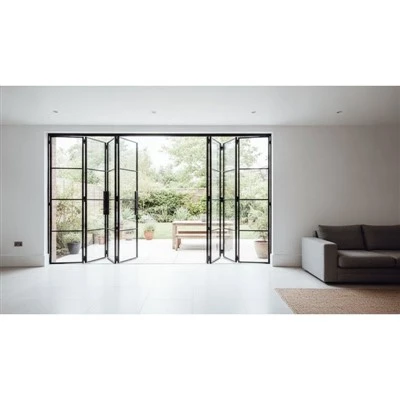
I started in this industry 18 years ago, installing doors for small residential remodels and then moving into commercial projects, and back then, the answer to that question used to be a mixed bag. Most slim steel door manufacturers only offered a handful of fixed sizes, and custom sizing meant extra fees, long lead times, and a lot of compromises. But today, that’s shifted drastically. For a supplier that’s specialized exclusively in slim steel products for two decades, custom sizing isn’t just a nice add-on—it’s a core part of what we do.
Let’s break this down. First, what makes a door “slim steel” anyway? Slim steel doors differ from traditional heavy steel doors in a few key ways. Traditional steel doors are thick—usually 1 ¾ inches, with a bulky frame meant to stand up to heavy impact in warehouses or high-traffic industrial spaces. Slim steel doors are slimmer, often 1 3/8 inches, with narrower frames and a lower profile. They’re lighter, easier to operate, and look much more polished, which is why they’re popular for spaces where aesthetics matter as much as function. They’re also often fire-rated, which is a big plus for commercial and multi-family buildings.
When we talk about custom sizing for slim steel doors, it’s not just about trimming a door to fit a tight opening, either. A lot of people think if they have an opening that’s a few inches wider than a standard door, they can just buy a standard door and cut it down to fit. That’s a mistake—one we’ve had to fix for more than a few customers who tried that trick and ended up with doors that don’t seal right, are structurally weak, or fail fire inspections. Slim steel doors are engineered as a single unit, door and frame, to meet specific performance standards. If you cut a standard door down, you’re compromising the steel’s integrity, the hinge alignment, and the weatherstripping that keeps drafts out or fire in, depending on the rating.
That’s why our custom process starts long before we cut any metal. When a customer reaches out with a custom size request, the first thing our team does is send a field technician to measure the actual opening—sometimes openings look square on blueprints but are off by a half-inch or more from settling concrete or framing errors. We account for the frame’s required clearance, the threshold height, and any accessibility rules from the ADA (Americans with Disabilities Act) that require certain clear widths for doors used by people with mobility aids. For example, ADA requires a minimum clear opening width of 32 inches for most commercial doors, but if you have a wide opening in a lobby, we can make the door 48 inches wide instead of sticking to a standard size, no extra bulk added to the slim profile.
What kind of custom sizes can we do, exactly? The beauty of slim steel is that the manufacturing process lets us adjust dimensions without the same constraints as heavier steel doors. We can make doors as narrow as 24 inches, perfect for small restroom stalls or janitor’s closets, or as wide as 10 feet, ideal for loading dock entrances that don’t need heavy-duty industrial doors but need to fit large delivery carts. Height-wise, we can go from 6 feet for a low-pantry door all the way up to 10 feet for a grand lobby entrance. We also handle custom pocket doors, sliding doors, and double doors, which require even more precise sizing to ensure they align and close smoothly.
Now, let’s talk about the practical side of custom sizing, because I know price and lead time are always top of mind for customers. A lot of people assume custom means it’s going to cost twice as much as a standard door, but that’s not the case with our product. Because we’ve streamlined our custom manufacturing process over the years— we work with the same steel fabricators that developed the slim steel frame system we use, so we don’t have to retool every time we adjust a size— the premium for a custom slim steel door is only 10 to 15 percent more than a comparable standard size. Lead time? Usually two to three weeks, which is comparable to the time it takes to custom order standard doors from most suppliers. The key is planning: if you’re working on a tight construction schedule, just let us know, and we can prioritize your order, especially if the custom size isn’t a very rare dimension.
We also offer custom sizing beyond just width and height. A lot of customers don’t realize that slim steel doors can have custom cutouts for window inserts, mail slots, or even sensor prep for automatic doors. For example, a retail client of ours in downtown Chicago wanted a set of slim steel doors for their entryway, with a small narrow window at eye level to let in natural light without compromising security. We didn’t have a standard door with that exact window size, so we custom cut the window opening, installed the glass, and finished it to match the door’s matte black powder coat. The result looked like it was made for that opening, not a afterthought.
I should also mention the difference between custom sizing and “field adjustments.” We get a lot of requests from contractors who want to buy a standard door and then trim it on site. As I said earlier, that’s not ideal for slim steel doors. The steel is engineered to have a consistent thickness around the perimeter to support the hinges and latching hardware. If you trim ¼ inch off the edge of a slim door, you’re weakening that support, which can lead to warping over time—especially if the door is exposed to temperature or humidity changes, like in a retail space with constant foot traffic. Our custom doors are fabricated with the exact dimensions needed, so there’s no trimming on site, and the frame is prepped to match the door perfectly, so installation is faster and there are fewer callbacks.
Another common question: can custom slim steel doors meet fire codes? The short answer is yes— as long as you work with a supplier that designs custom doors to meet your local building codes. A lot of manufacturers only offer fire ratings for standard sizes, but at Slim Steel Window and Door, we have fire testing capabilities for custom sizes, so we can make a 6-foot-wide custom door with a 90-minute fire rating, or a 8-foot-tall door with a 20-minute rating for a utility closet. We work with building inspectors in every region we serve, so the doors we custom size will pass inspection on the first try.
Over the years, we’ve worked on everything from small boutique stores to large hospital wings, and every project has a custom door story. Last year, we did a project for a school in rural Ohio that needed a set of slim steel doors for a new playground restroom. The openings were narrow, only 26 inches wide, which was a custom size because most standard doors start at 30 inches. The school didn’t want a narrow door that looked like an afterthought, so we custom sized the doors, matched the school’s existing trim, and added a custom low-height pull handle perfect for kids. The principal later told us the doors were one of the most popular features of the new building because they fit the space so well.
It’s easy to see why someone would stick to standard doors. They’re easy to order, cheap, and fast. But when you’re working on a building that needs to look good, function well, and last for decades, custom sizing is worth it. Slim steel doors, in particular, are versatile enough to be made in almost any size, and they offer the durability of steel without the bulk of traditional doors.
If you’re an architect finalizing blueprints, a contractor planning a remodel, or a building owner updating your property, you don’t have to settle for a door that just fits your opening—you can have a door that works for your space. Our team specializes in custom slim steel windows and doors, so we can help you with sizing, material selection, hardware, and ratings to make sure your doors meet all your requirements, no matter how unique they are.
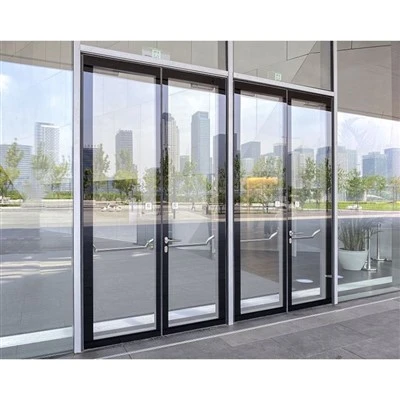
To discuss your custom slim steel door needs and get a detailed quote tailored to your project, reach out to our team today. We’ll walk you through every step of the process, from measuring your openings to ensuring your doors meet all local codes, so you can feel confident in your choice.
Thermally Broken Steel Window and Door References
- International Building Code. 2021 Edition. International Code Council.
- Americans with Disabilities Act Accessibility Guidelines (ADAAG). U.S. Access Board.
- Steel Door Institute. Technical Manual for Steel Doors and Frames. 2020.
- National Fire Protection Association. Standard for Fire Doors and Other Opening Protectives (NFPA 80). 2022.
PDA Steel Door and Window
We are one of the most experienced slim steel window and door manufacturers and suppliers in China, also support customized service. Please feel free to buy high-grade slim steel window and door in stock here from our factory. Quality products and reasonable price are available.
Address: No.8, Central Avenue, Jinghai Economic Development District, Tianjin
E-mail: Nancy@eng-pda.com
WebSite: https://www.pda-steelwindows.com/
