Hey everyone, if you’ve ever dug deep into textiles for apparel, upholstery, or even gear, you’ve probably run into “broken twill” but maybe didn’t stop to ask what makes it different from that regular old twill we all know. As someone who’s been in the broken twill fabric game for a minute, I get why a lot of folks sleep on it at first—its name sounds like a flaw, right? Like something that didn’t line up right on the loom. But trust me, that “imperfection” is where all the magic lives. Today I’m breaking down the real advantages of broken twill, straight from the perspective of a supplier who’s spent years troubleshooting, testing, and shipping this stuff to designers, makers, and brands around. Broken Twill
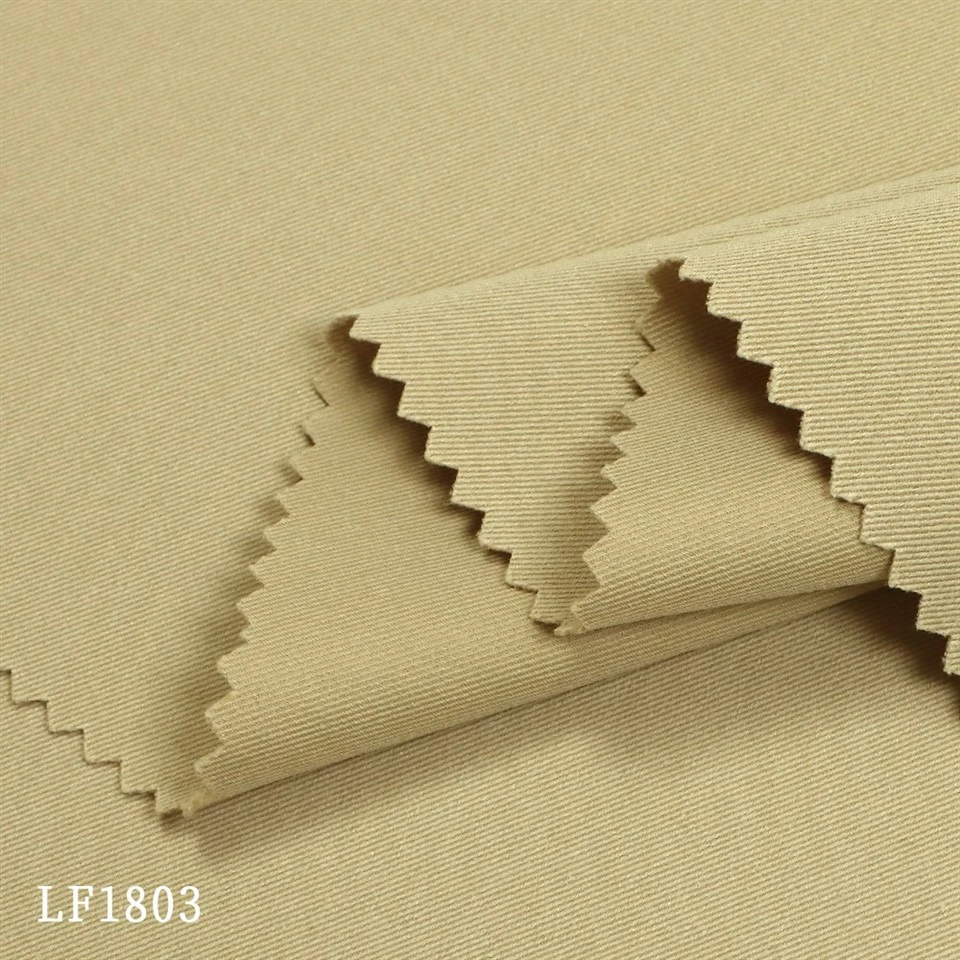
First off, let’s keep it super simple: what even is broken twill, anyway? Regular twill has those clean, diagonal lines running across the fabric, right? Like the Vans stripe on sneakers or the back of a nice wool blazer. Broken twill? It’s the exact same weave structure—2 over, 1 under or whatever standard twill follows—but the diagonal line gets intentionally “broken” every few inches. Not a mess, not frayed, just a little shift that skips a warp or weft thread, so the line doesn’t stay straight. A lot of people think that’s a mistake, but that’s actually the whole point. It’s a weave that feels intentional, not sloppy, and it brings so many benefits that regular twill can’t touch.
Let’s start with the big one: durability. Wait, I know what you’re thinking—“isn’t twill already durable?” Yeah, but broken twill? It takes that to another level. The broken weave pattern means the threads don’t have that constant tight pull that straight twill does. Straight twill’s diagonal lines are all aligned the same way, so every time you pull or stretch the fabric, the tension hits those same threads over and over. Broken twill spreads that tension out across the whole fabric, so no single thread is taking the brunt of every tug. I’ve had customers make work pants out of our cotton-poly broken twill, and they come back after 6 months of construction work or landscaping saying they haven’t had to patch a single seam, whereas their old straight twill pants were threadbare at the knees in half that time. Even for upholstery—we supply a lot of mid-century modern furniture makers with broken twill for seating, and they tell us it holds up way better to daily use than plain twill. It doesn’t pill as much either, which is a huge win for things like couch covers or dog beds.
Next up: that softer, more drapey feel without losing structure. Straight twill can sometimes feel a little stiff, especially in heavier weights. Think of those cheap work pants that feel like cardboard until you break them in, and even then they’re just okay. Broken twill? The small shifts in the weave make it a little looser than standard twill, so it breaks in way faster, but it still keeps that nice, crisp structure when you need it. I’ve had apparel designers use our linen-cotton broken twill for dresses and blouses—they love that it doesn’t bag at the hips like some soft woven fabrics, but it doesn’t stand up awkwardly like a straight twill would for a flowy, comfortable top. For outerwear? We supply a polyester-cotton broken twill that’s perfect for light jackets— it’s not as rigid as canvas, but it holds its shape when you fold it up, so it works for both casual layering and structured pieces. A lot of people mix it up with chambray, but no—chambray is a plain weave, and broken twill has that subtle texture that feels way more intentional.
Then there’s the way it handles color and print. Oh man, this is a game-changer. The broken weave pattern makes the fabric’s surface a little uneven—those tiny shifts in the threads mean light hits it differently than a straight, flat straight twill. So when you dye broken twill, the color doesn’t look flat. It has that subtle, depthful hue that makes it look like it has more dimension, even when it’s a solid color. I always tell my customers, if you want a color that pops without being too loud, go for broken twill. Even prints look better on it—small prints, floral, geometric, whatever, they don’t distort like they do on straight twill because the weave isn’t so uniform. I’ve had a designer make custom bandanas with a tiny pine tree print on our 100% cotton broken twill, and they sold out in 2 weeks because everyone loved how the print felt like it was part of the fabric, not just stuck on top. Straight twill would have made the print look flat and washed out.
Wait, what about versatility? Broken twill works for so many different applications, you’d be surprised. We supply it for apparel, upholstery, bags, gear, even accessories like hats and tote bags. For bags, it’s way more sturdy than plain cotton, but it’s not as heavy as canvas, so people can use it for daily use without feeling like they’re carrying a brick. We had a customer make hiking backpack liners out of our nylon broken twill, and they said it’s tear-resistant enough to handle rocks and branches, but it doesn’t rub their backs raw like some rough fabrics. For upholstery, it’s been super popular for pet beds because it doesn’t hold pet hair as much as smooth fabrics—those tiny gaps between the broken weave trap less hair, so you can just wipe it off. Even for bed linens, a lot of home goods brands are switching to linen-wool broken twill because it’s breathable in the summer and warm in the winter, plus it doesn’t wrinkle as much as pure linen. Straight linen is a nightmare for people who hate ironing, but broken twill’s weave keeps it from crumpling all over like a paper bag.
And let’s not forget about that timeless, understated look. A lot of designers are moving away from super loud, flashy fabrics right now—people want things that feel classic but not boring. Broken twill has that subtle texture that’s not too busy, so it works for both casual and dressed-up pieces. I see a lot of blazers and dress shirts made with broken twill now, and they look way more interesting than a plain solid fabric or a overdone pattern. It’s not in-your-face, it’s just there, doing its job while looking good. Plus, it’s not a fad—this weave has been around for hundreds of years, right? We’ve found it in vintage workwear from the 1920s, old military uniforms, even linens from the 1800s. It’s a classic, not something that will go out of style in a year, so when brands use broken twill, they’re investing in pieces that will last season after season.
Now, I know what some of you are thinking—“is broken twill more expensive than regular twill?” Yeah, a little, but not by much. The weave takes a tiny bit more precision on the loom, so it’s not mass-produced as easily, but the cost difference is like 10-15% more, and that’s nothing compared to how much longer it lasts and how much better it looks. I always tell customers to think about the total value, not just the upfront cost. If you buy a $5 yard of straight twill that wears out in 2 uses, that’s $2.50 per use. Buy a $6 yard of broken twill that lasts 20 uses, that’s $0.30 per use. That’s a no-brainer, right? Plus, a lot of our customers charge more for their products because broken twill has that perceived value—people are willing to pay a little extra for something that feels higher quality and lasts longer.
As someone who’s been supplying broken twill for years, I’ll be honest: I love this fabric because it solves so many problems that regular twill and plain fabrics have. It’s durable but soft, structured but drapey, versatile enough for almost any use, and has that timeless look that doesn’t go out of style. I’ve seen it go from a niche fabric for vintage makers to a staple for brands all over, and it’s not hard to see why once you start digging into its advantages.
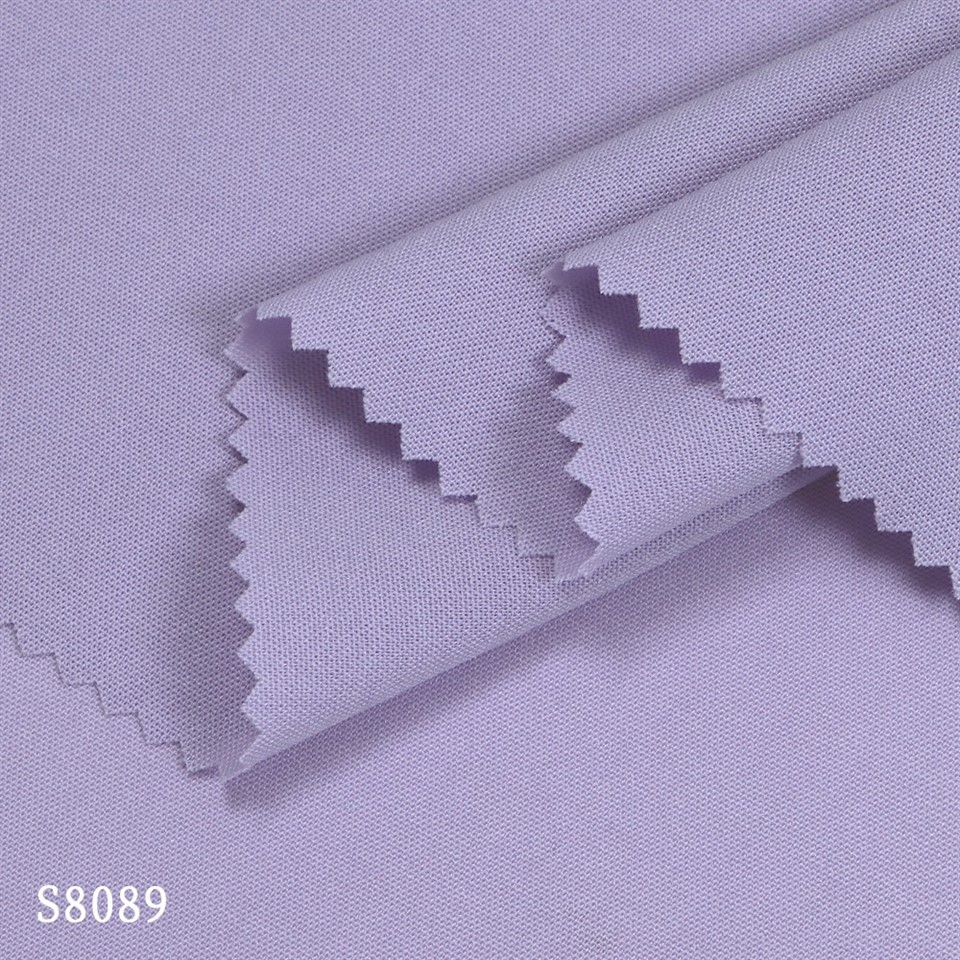
If you’re a designer, maker, brand owner, or just someone who’s sourcing fabric for a project and want something that works as hard as you do, let’s chat. I can send you samples of all our broken twill weights and blends—cotton, polyester, linen, nylon, whatever you need—so you can feel the difference for yourself. Whether you’re making workwear, home goods, bags, or apparel, broken twill is the kind of fabric that will make your end product stand out and last. Don’t sleep on that “broken” weave—it’s not a flaw, it’s a feature.
3 1 Twill Weave References
Textile Weaves: A Comprehensive Guide, 2nd Edition, The Textile Institute, 2018
Durability Performance of Woven Fabrics for Upholstery Applications, Journal of Textile and Apparel, Technology and Management, Vol. 12, No. 2, 2022
Color and Texture Perception in Woven Fabrics, Clothing and Textiles Research Journal, Vol. 38, No. 3, 2020
Shaoxing Huichao Textile Co., Ltd.
As one of the most professional broken twill manufacturers and suppliers in China, we offer a wide range of products with superior quality. Please feel free to wholesale bulk high-end broken twill in stock here from our factory. Good service and reasonable price are available.
Address:
E-mail: darrenzhong@huichaotextile.com
WebSite: https://www.huichao-textile.com/
