If you’re in the market for explosion proof (XP) fans, you’ve probably wondered: what’s the real cost of a good one? Not the cheap no-name knockoff from a sketchy supplier, but a fan that’ll actually keep your team safe, run for years, and not turn into a headache the second you plug it in. As someone who’s been supplying XP fans for over a decade, I can tell you there’s no one-size-fits-all number—but there are way more factors that go into the price than just the motor size or blade material. Let’s break this down, no boring corporate jargon, just straight talk from someone who’s seen both the good and bad ends of the industry. Explosion Proof Fans
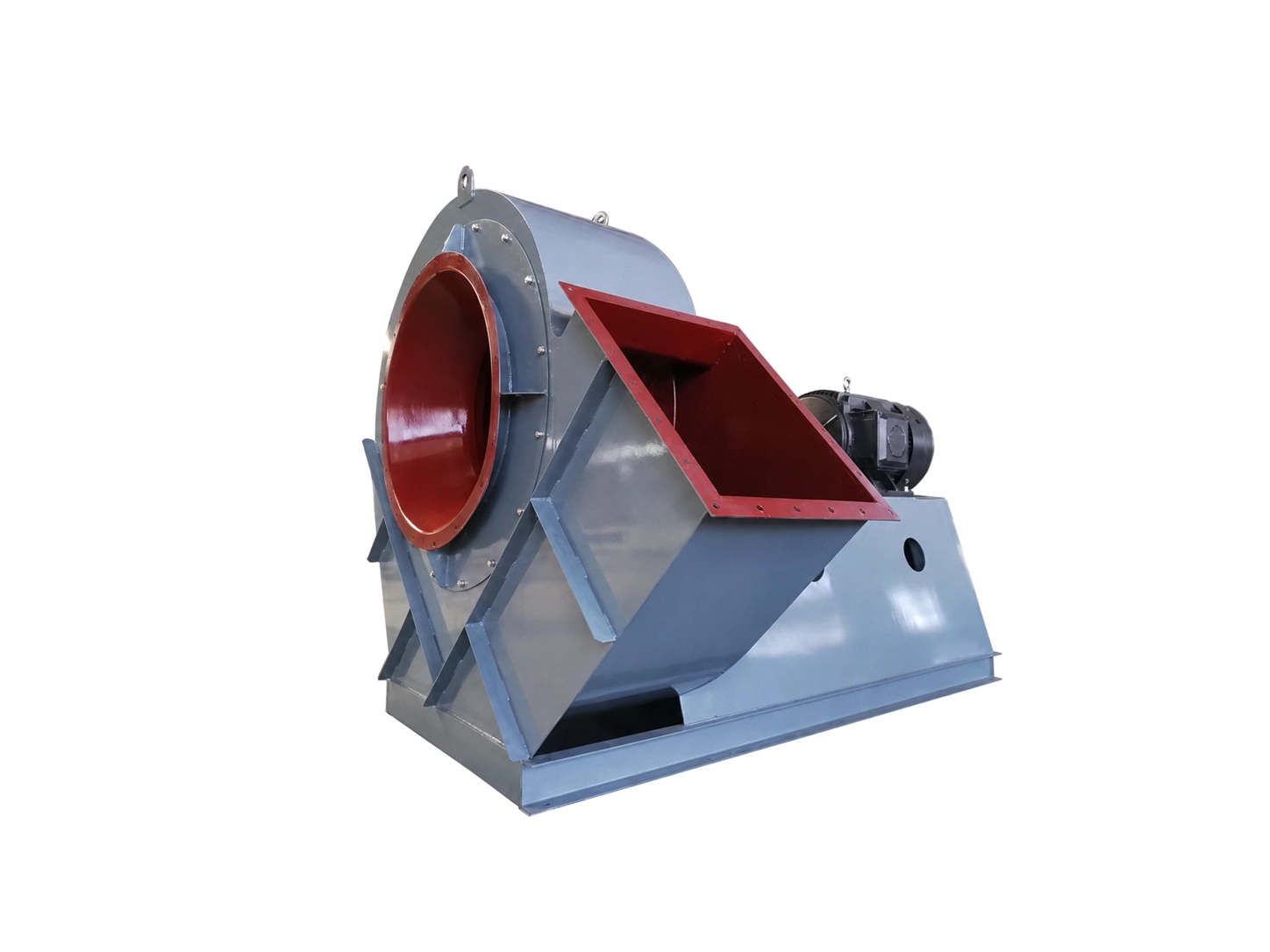
First, let’s get the basics out of the way: explosion proof fans aren’t your run-of-the-mill box fan you pick up at Home Depot. They’re designed for environments where explosive gasses, vapors, or dust particles are floating around—think oil refineries, chemical plants, grain silos, paint booths, even some wastewater treatment facilities. A regular fan has electrical parts that can spark: a faulty wire, a overheating motor, even static from spinning blades could ignite something that’s literally hanging in the air. XP fans are built to prevent that spark, and contain any explosion that somehow gets inside the fan. That engineering isn’t cheap, but it’s non-negotiable. Cut corners here, and you’re not just risking equipment damage—you’re risking lives. I’ve seen a client go super cheap on a fan for their solvent mixing booth, and two weeks later it sparked, took out half their back shop, and they got shut down by OSHA for six months. That $200 “discount” fan ended up costing them hundreds of thousands in lost revenue, fines, and repairs. So right off the bat, a good XP fan isn’t going to be $100 or even $200. Entry-level (we’re talking basic, certified) models start around $800, but that’s for a tiny, low-CFM unit—like 12-inch, 1/6 HP, for small paint booths or enclosed utility spaces. But wait, that’s just the starting line.
Let’s talk about the big variables that actually drive the cost, because that’s where most buyers get tripped up. First is the certification. Not all XP certifications are equal. The big ones you need to look for are UL 70 (for US), CSA 22.2 (for Canada), and ATEX/IECEx (for international markets). A lot of cheap suppliers will slap a “XP” label on a regular fan and call it certified, but that’s not how it works. To get UL 70 certified, every single part of the fan has to be tested: the motor housing has to be thick enough to contain an internal explosion, the wiring has to be sealed so no gasses get in, the motor has to run at a temperature low enough that it can’t ignite surrounding vapor, even the fan blades have to be made of non-sparking material (aluminum, or reinforced plastic, not steel that could spark if it hits something). The testing process alone costs thousands per unit, and that gets passed on to you. A fan that’s UL 70 certified for Class I, Division 1 (that’s the most dangerous type of area, where explosive gasses are present 24/7) will cost way more than one rated for Class II, Division 2 (where gasses might only be present occasionally). Last year, we sold two identical size fans: one Class I Div 1, one Class II Div 2. The Class I was 35% more expensive, just because of the extra testing and engineering to handle a higher risk environment.
Next, airflow, or CFM (cubic feet per minute). That’s the actual amount of air the fan moves, and it’s probably the biggest driver of cost after certification. For small spaces, like a 10×10 paint booth, you might only need 500 CFM, so a 1/3 HP fan works fine, that’s around $1,200. But if you’re dealing with a 10,000 sq ft oil processing warehouse, you need way more air—we’re talking 10,000 to 20,000 CFM, which requires a 2 HP motor, maybe a larger duct setup. Those units start at $3,500 and go up to $10,000+ for big, high-CFM axial or centrifugal fans. I had a refinery client last year who needed 35,000 CFM for their tank farm ventilation—we ended up building a custom unit for them, which came out to $18,000. But here’s the thing: buying a fan that’s too small is just as bad as buying a cheap uncertified one. If your fan can’t move enough air to clear explosive vapors, it’s useless. You’ll still have a hazard, and you’ll have to replace the fan a year later anyway. I see this all the time—someone cuts corners on airflow, then has to shell out for a second fan within 18 months. So don’t lowball on CFM, it’s a waste of money in the long run.
Then there’s the build quality and extra features. You can get a basic steel housing, or you can get a corrosion-resistant stainless steel housing for environments with harsh chemicals or saltwater (like offshore rigs). That stainless steel adds 20-30% to the cost, but it’ll last 20 years instead of 5 or 10. We had a grain processing client who originally got a cheaper steel fan, and within two years the dust and moisture had rusted the motor housing so bad they had to replace it. They switched to our stainless steel models, and they haven’t had an issue in 6 years. Other extras: variable speed controls, so you can adjust airflow when you don’t need full power, explosion proof motor starters, weatherproof covers for outdoor use, even Bluetooth monitoring to track the fan’s runtime and temperature (great for remote sites where no one checks on the equipment daily). All those add-ons push the price up, but they save you money on maintenance and downtime. A variable speed controller might be $200 extra, but it means you’re not running the fan at full blast 24/7, so it uses less electricity and wears out slower.
Wait, but what about maintenance and operating cost? That’s a big part of the “total cost of ownership” that a lot of suppliers don’t tell you. A cheap XP fan might cost $500 upfront, but it uses more energy, breaks every 18 months, and requires a full rewiring every time it fails. A good certified fan might cost twice as much upfront, but it has a high-efficiency motor that uses 25% less electricity, and it’s built with parts that are designed to last in hazardous environments. Let’s do a quick example: a 10,000 CFM fan, 24/7 operation, 8760 hours a year. A cheap knockoff uses 15 kW, at $0.12 per kWh, that’s $1,576 a year in electricity, and it’ll need to be replaced every 2 years, plus $500 in repairs in between. Total over 5 years: ~$11,880. A good certified fan uses 11 kW, that’s $1,108 a year in electricity, and it lasts 10 years with only $200 in annual maintenance. Total over 5 years: ~$6,740. So even though the upfront cost is higher, you’re saving almost $5,000 in the long run. That’s the number most buyers miss—they only look at the sticker price, not the lifetime cost.
Another thing: customization. A lot of sites have weird spaces that off-the-shelf fans don’t fit. Maybe you need a fan that mounts to a specific wall, or has a duct connector in an odd size, or needs to be integrated with an existing ventilation system. Customization adds to the cost, but it’s worth it to avoid retrofitting your whole space to fit a cheap fan. We do custom builds all the time, and the markup is usually 15-20% over the base model, but it saves clients thousands in installation and modification costs.
Now, let’s get real about the range. If you’re buying a small, standard, UL 70 certified axial fan for a small indoor hazardous space: $800 to $2,500. Mid-sized for medium spaces, like 5,000 to 15,000 CFM: $2,500 to $7,000. Large heavy-duty fans for big refineries, tank farms, or outdoor use: $7,000 to $25,000+, and custom units go way higher. I know that sounds steep, but again—this is safety equipment. You wouldn’t buy a cheap fire extinguisher for your warehouse, right? Same logic here. A bad XP fan isn’t just a waste of money, it’s a liability. We’ve had clients come to us after a bad experience with another supplier, where their “certified” fan wasn’t actually certified, and they almost got cited by OSHA. We work with them to replace it correctly, and usually the cost ends up being cheaper than the fines they would’ve gotten if they’d gotten audited.
Wait, are there any ways to save money without cutting corners? Absolutely. First, buy from a reputable supplier, not a random Amazon seller or a fly-by-night company from overseas. Those cheap models might look the same, but they don’t have the certifications, their parts are flimsy, and if something goes wrong, you can’t get replacement parts or support. Second, get a load calculation from a professional. A lot of overbuy fans, which wastes money on extra airflow and higher energy costs. A load calculation will tell you exactly how much CFM you need, so you don’t pay for more fan than you actually need. Third, look for energy-efficient models. Yeah, they cost a bit more upfront, but you’ll save hundreds a year on electricity. Fourth, consider long lead times vs. emergency orders. If you have to replace a fan that broke overnight, emergency orders cost 20-30% more, so plan ahead so you don’t get stuck paying extra.
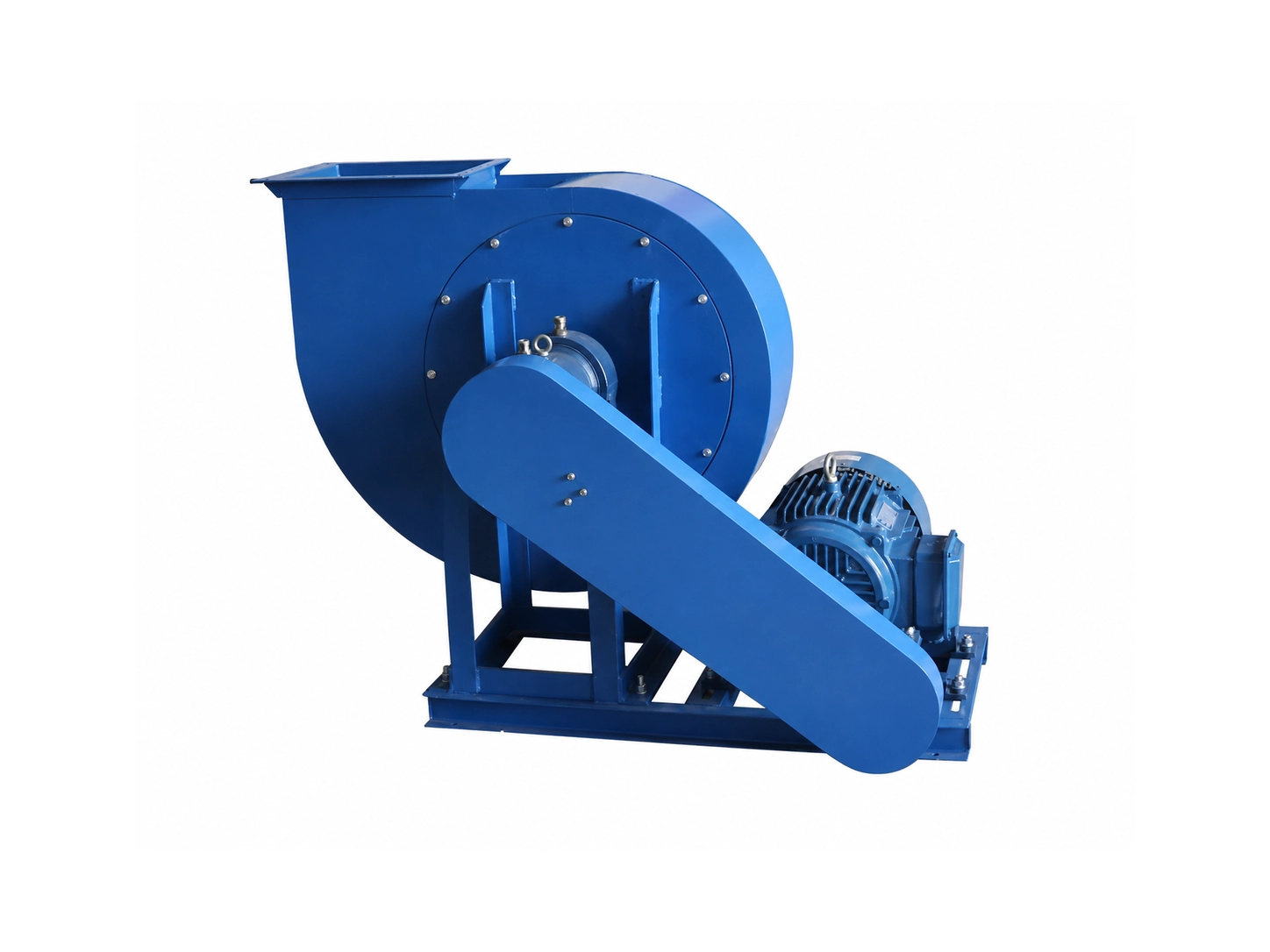
Let me wrap this up with a quick story that sums it all up. A few years back, a small chemical plant called us in a panic. Their old XP fan for their solvent storage area had died, and they’d bought a $400 fan from a no-name seller to replace it. Three days after installing it, a worker noticed it was running way hotter than it should, so they shut it down. When we inspected it, we found out it wasn’t UL certified, the motor was running at 180 degrees over the max allowed temperature, and the blade material was untested—there was a high chance it would’ve sparked, taking out the whole storage area. We replaced it with a certified UL 70 fan for $1,800, and they spent the next six months checking their whole fleet of fans, replacing the cheap ones with certified units. That $400 “savings” almost cost them their whole operation, way more than $1,800.
High-Pressure Centrifugal Fans At the end of the day, the cost of a good explosion proof fan isn’t just the number on the quote. It’s the safety of your team, the compliance with OSHA and other regulations, the longevity of the equipment, and the peace of mind that comes from knowing your ventilation system isn’t a hidden hazard. If you’re tired of dealing with sketchy suppliers who sell uncertified fans at low prices, or you’re not sure what size or certification you need, hit us up to chat. We’ll walk you through exactly what your site needs, no hidden fees, no sales pitches, just honest advice.
References
- National Fire Protection Association. (2023). NFPA 70: National Electrical Code.
- Occupational Safety and Health Administration. (2022). Hazardous (Classified) Locations Standards.
- Underwriters Laboratories. (2021). UL 70: Standard for Explosion-Proof and Dust-Ignition-Proof Electrical Equipment for Use in Hazardous (Classified) Locations.
- International Electrotechnical Commission. (2020). IECEx System for Certification of Equipment for Explosive Atmospheres.
- Cost of Industrial Ventilation Systems. (2024). Industrial Ventilation Association Annual Report.
Shandong Qiyue Fan Co., Ltd.
With abundant experience, we are one of the most reliable explosion proof fans manufacturers and suppliers in China. Please feel free to wholesale high quality explosion proof fans made in China here from our factory. We also accept customized orders.
Address: Dongchen Industrial Park, Zhoucun District, Zibo, Shandong, China
E-mail: sales@qiyuefan.com
WebSite: https://www.qiyuefan.com/
