Hey guys, if you’ve ever stared at a wall fabric sample board and wondered why some feel like a crisp tea towel and others look like heavy, woven upholstery, you’re not alone. I’ve been in the wall fabric game for 10 years now, and even contractors and designers new to the space mix these two up all the time. Today I’m breaking down woven vs. non-woven wall fabric, no stuffy industry jargon, just real talk from someone who’s spent way too much of their work life (and a few weekends testing samples) getting this right. Wall Fabric
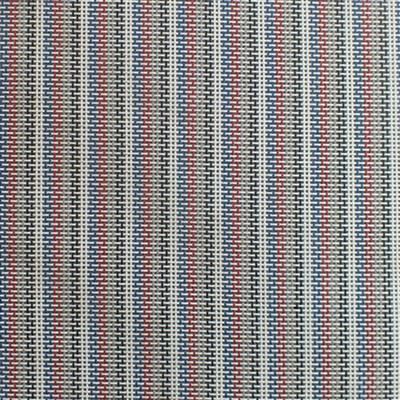
First, let’s get something straight: both are great, but they’re built for totally different jobs. If you’re redoing a tiny apartment bathroom vs. a fancy hotel lobby hall, picking the wrong one can mean headaches mid-install or a wall that tears after a year. Let’s start with woven because that’s what made me fall for this line of work back when I was helping my old boss unload sample crates as a teen.
Woven wall fabric is, shocker, literally woven—threads crisscrossing over and under each other on a loom, just like how a t-shirt or a bedsheet is made. The big difference here is the threads: instead of cotton or polyester for clothes, we use heavy-duty stuff like linen, cotton, even fiberglass sometimes (yeah, fiberglass, don’t panic, it’s not scratchy for walls). When you weave, you have two sets of threads: warp threads that run lengthwise, and weft threads that go across. The way they interlock gives woven fabric that super tight, structured feel. Hold a sample up to the light and you’ll see tiny, consistent little squares or lines, that’s the weave pattern, not just a print.
Why do people love woven so much? It’s tough. Like, really tough. If you have kids, or a rental unit that gets trashed by tenants who drag furniture through walls, woven’s your go-to. It resists scuffs better than non-woven, holds up to repeated wiping (perfect for high-moisture areas like bathrooms or laundry rooms), and it has that luxurious, high-end vibe. I’ve used it in a 5-star downtown hotel’s restaurant walls—they get slammed at lunch, and after three years, those walls still look like new. The downside? It’s a little trickier to install. Because it’s so structured, it doesn’t stretch much. If you mess up the first strip by an inch, you can’t just adjust it without a weird line or tear. Also, it’s way heavier than non-woven, so if you’re hanging it over drywall that’s already a bit weak, you might need extra adhesive to keep it from sagging. Oh, and it’s pricier, too—like, if non-woven is a $30 roll, woven might be $50 to $70, depending on the fiber.
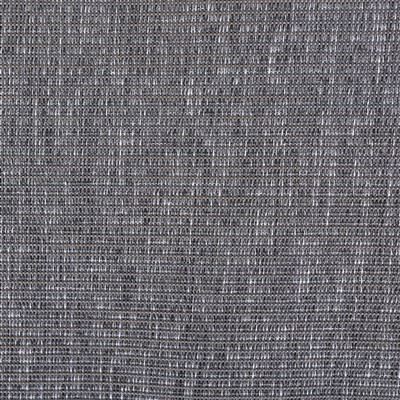
Now non-woven wall fabric. This is the newer kid on the block, basically the workhorse for most residential installs these days. You’re not weaving threads here—instead, you take tiny fibers (could be polyester, viscose, even recycled stuff these days) and either melt them together, press them tight with chemicals, or use heat to bind them. So it’s kind of like a really thick, sturdy paper but way tougher. No interlocking threads, just a random, matted fiber structure.
What’s the good stuff about non-woven? Installation is a breeze. It’s lightweight, it stretches a little, so if you make a small mistake when hanging, you can nudge it before the adhesive sets. Way less waste, too—because it’s flexible, it fits around corners and outlets easier than woven. It’s also pretty moisture-resistant, and a lot of people love that it’s easier to remove if you want to redecorate later. Woven can be a pain to take down—you have to scrape it off, sometimes sand the wall. Non-woven? You just peel it off in big strips, leaving barely any residue. Plus, it’s more budget-friendly, which is why most homeowners go for it for bedrooms, living rooms, even entryways. I’ve installed it in my own rental’s living room three years ago, and it still looks like I put it up last month. The catch? It’s not as durable as woven. If you scuff it with a chair, it’ll leave a mark way easier, and it’s not great for super high-traffic areas or places that get a lot of moisture, like a shower surround wall (stick to woven there).
Wait, let’s talk about the biggest myths I hear all the time. A lot of people think “woven is always better quality” or “non-woven is cheap garbage.” No, that’s not true. Both have their own quality levels. You can get cheap woven that’s thin and tears easily, and premium non-woven that’s thick, feels almost like woven, and lasts just as long for residential use. It’s not about quality, it’s about function.
Let’s break down when to pick which, because that’s the part everyone actually cares about. If you’re doing a high-traffic area: hotel lobbies, restaurants, playrooms, commercial spaces that get a lot of people touching or bumping walls, go woven. If you’re on a budget, doing a low-traffic residential room (bedroom, home office), or hate the idea of scraping off old wall fabric when you redecorate, go non-woven. Wait, and moisture: bathrooms, laundry rooms, basements that get a little damp—go woven, because non-woven can absorb moisture if it’s not installed right, leading to mold. Woven is more breathable, so it lets walls “breathe” a bit, which is why it’s good for humid spaces.
Another thing: print clarity. If you have a super detailed graphic or a delicate pastel print, non-woven is usually better because the flat, matted surface makes the print sharper. Woven has tiny texture from the weave, so sometimes prints look a little more muted, like they’re on textured fabric. If you want a bold, bright print, non-woven’s your move. If you want a natural, linen-like look with subtle texture, woven is perfect.
I’ve had customers come to me saying they installed non-woven in their bathroom and it peeled after a year, and when I asked what they did, it’s because they used non-woven in a damp space. Or someone who put woven in a guest bedroom and complained it was impossible to hang, which makes sense because they didn’t hire an installer who knows woven. The big takeaway is matching the product to the job, not just picking what looks cool online.
Let me also talk about sustainability, since that’s a huge thing right now. Both types have eco options, but non-woven has made a lot of progress here. A lot of premium non-woven is made from recycled plastic bottles, even old textile scraps. Woven, if it’s made from natural fibers like linen or organic cotton, is really sustainable too, since those are biodegradable. The downside for woven is that the heavy adhesives used for it aren’t always as eco-friendly as non-woven’s water-based glues. So if that’s a big deal for you, just ask your supplier—most reputable ones have eco lines for both.
Wait, let’s not forget to mention maintenance. For woven walls: use a soft cloth and mild soap to wipe scuffs, don’t use too much water. Non-woven: same, but a lot of non-woven is even wipeable with a little all-purpose cleaner, just check the label. Neither is super high-maintenance, but woven’s easier to touch up if you get a small tear—you can just weave a matching thread (okay, not literally, but you can patch it seamlessly) whereas non-woven patches are a little more noticeable because of the different fiber structure.
At the end of the day, I tell every customer: if you’re stuck, ask yourself three questions. 1. How much traffic will this wall get? 2. Do I care about easy removal later? 3. Is this space damp or humid? If the answer to all three is high traffic, no, and yes, go woven. If it’s low traffic, yes, and no, go non-woven.
I’ve been supplying wall fabric for years, and the best part is helping someone pick the right one so they don’t regret it a year later. I’ve had customers come back to me after 5 years saying their woven in the restaurant is still perfect, and others who switched to non-woven in their new home saying how much easier it was to redo when their taste changed. Both have their place, and there’s no “wrong” choice as long as you know what you’re getting into.
If you’re still not sure which is right for your project, or you want to see samples of both to compare, feel free to reach out. I’d love to walk you through what works best for your space, no pressure, no salesy lines, just honest advice. Let’s make sure your walls look amazing and last as long as you want them to.
Textilene Fabrics References:
- Wallcoverings Association. (2022). Woven vs. Non-Woven Wallcoverings: Key Differences for Residential and Commercial Applications.
- Textile Institute. (2021). Technical Guide to Interior Wall Fabrics: Composition, Performance, and Installation.
- Sustainable Furnishings Council. (2023). Eco-Considerations for Wall Covering Materials.
- American Society of Interior Designers. (2020). Guide to Selecting Wall Finishes for High-Traffic and High-Moisture Spaces.
Nanping Kingway New Material Co., Ltd.
As one of the most professional wall fabric manufacturers and suppliers in China, we also support customized service. With abundant experience, we warmly welcome you to wholesale durable wall fabric in stock here from our factory. If you have any enquiry about pricelist, please feel free to email us.
Address: No.10, Chengnan Branch Road, Chengjiao Town, Nanping, Fujian, China.
E-mail: npjwxcl@aliyun.com
WebSite: https://www.suernew.com/
