If you’ve ever run a search for durable, versatile fabrics that work for everything from workwear to casual outerwear, chances are you’ve seen the term “cotton herringbone twill” pop up more than once. As someone who’s spent years sourcing, testing, and supplying high-quality herringbone twill for clients across industries—from uniform manufacturers to small-batch fashion designers—I can tell you this fabric isn’t just a trendy pattern: it’s a workhorse with a rich history and practical perks that set it apart from plain cotton or other woven fabrics. Let’s break down what it is, why it’s different, and why it might be the right choice for your next project. Herringbone Twill
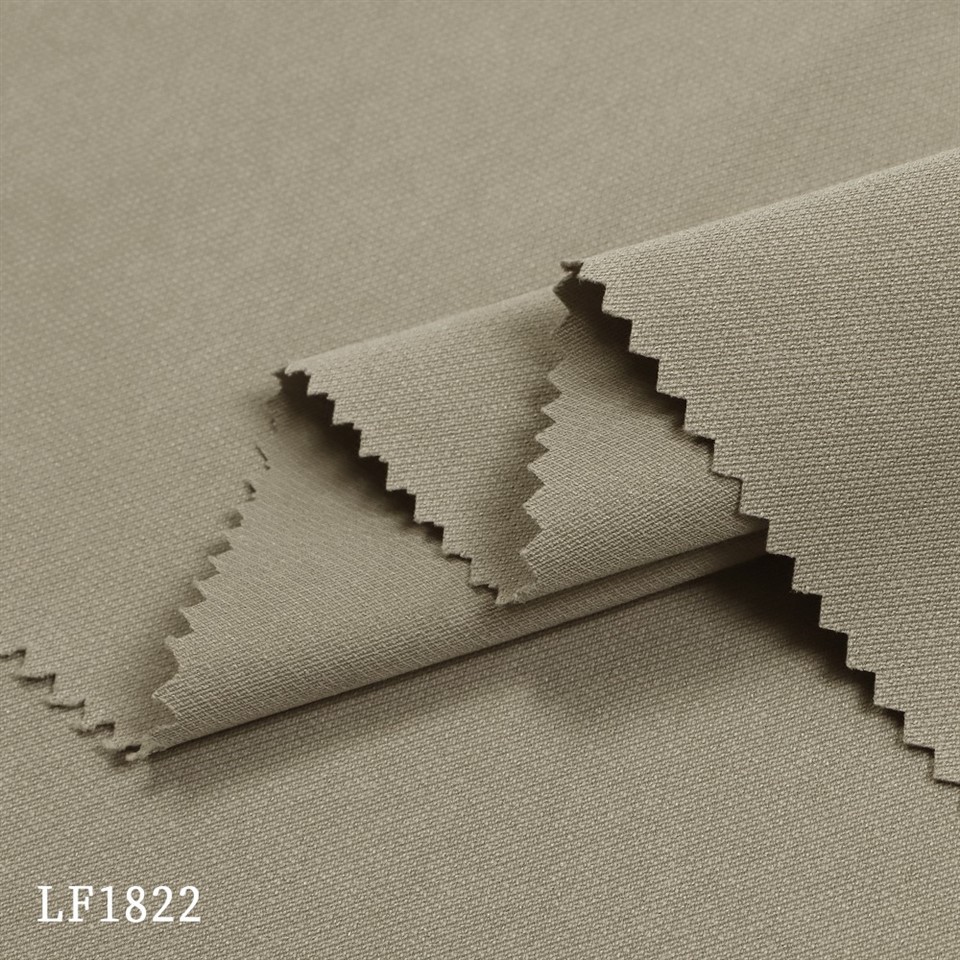
First, let’s start with the basics: twill fabric as a whole is defined by its diagonal weave, right? Unlike plain weave (which alternates over-one, under-one threads, creating a flat, even surface) or satin weave (which uses long floats of threads for a silky sheen), twill uses a “weft over two, under one” or similar pattern that creates distinct diagonal lines across the fabric’s surface. Herringbone is a specific type of twill, distinguished by those zigzag, V-shaped lines that look like the skeleton of a herring fish—hence the name. It’s not a random pattern; the weave is structured so the diagonal lines reverse direction every few inches, creating that broken, chevron effect instead of a continuous slant.
The cotton element is what makes this version so widely used, and it’s key to its performance. Cotton herringbone twill, also sometimes called cotton herringbone, is made with 100% cotton yarns, though some variants blend in a small percentage of polyester for extra stretch or wrinkle resistance, but the pure cotton version is the staple we supply day in and day out. The weave structure, combined with cotton’s natural properties, gives this fabric a set of benefits you won’t find in plain cotton or even other twills.
Let’s talk durability first, because that’s the main reason commercial users go for it. The twill weave, especially herringbone, is tighter and more stable than plain weave. The alternating diagonal and reverse diagonal lines mean the threads lock into each other better, so the fabric doesn’t stretch or distort easily when pulled or washed. That makes it perfect for workwear—think construction vests, utility pants, or tool belts that get snagged on nails, concrete, and heavy gear all day. I’ve had clients tell me their herringbone twill uniforms last 2-3 times longer than regular cotton canvas, and that checks out with the lab tests we run at our warehouse. We send small fabric swatches to a third-party tester every quarter, and the abrasion resistance of our pure cotton herringbone comes out consistently higher than other twills in the same weight class. That’s not just marketing; it’s data from actual wear tests.
Next, breathability and comfort. A lot of people assume durable fabrics have to be stiff and scratchy, but pure cotton herringbone is different. Cotton is a natural fiber that wicks moisture away from the skin, right? And the herringbone weave has a slightly more open structure than a regular 2×1 twill (the most common type of twill for workwear). The gaps between the threads let air circulate, so even when you’re wearing it all day in warm weather, it doesn’t trap sweat against your skin. I’ve had feedback from restaurant uniform clients who switched from polyester blends to our cotton herringbone and reported less back sweat and fewer complaints from their staff. It’s also softens with age, which is a big plus for casual uses—think jackets, pants, or even home decor like throw pillows or table linens. The first time you wash a new bolt might be a little stiff, but after a few cycles, it breaks in to feel like a well-worn favorite shirt.
Then there’s versatility. Herringbone twill isn’t limited to one use, which is why we sell it to such a wide range of clients. For workwear, it’s heavy enough to stand up to industrial use, but you can also get lighter weight variants for things like shirts or summer pants. For fashion designers, the V-shaped pattern adds a subtle, structured detail that works for everything from tailored blazers to casual cargo shorts. Even in home goods, it’s popular for upholstery because it’s stain-resistant (twill weaves repel liquids slightly better than plain weave, thanks to the tight thread structure) and hides small spills or wear marks better than a solid plain fabric. I’ve seen it used for dog beds, accent chairs, and even backpack straps—its strength makes it reliable for items that get constant use.
Wait, a common misconception I hear from new clients is that herringbone twill is just a printed pattern, like something you iron on to plain cotton. That’s not true. It’s a woven structure— the V-shapes are created by how the threads are interlaced on the loom, not a dye or print. That’s important because woven patterns don’t fade or peel the way printed ones do, and they’re more consistent across large bolts of fabric. When we produce our herringbone twill, we use traditional shuttle looms for some of our heavier weight stock, and modern air-jet looms for lighter, more precise runs, depending on what the client needs. Shuttle looms give a more classic, slightly uneven V-shape that’s popular for vintage-style workwear, while air-jet looms let us make narrower, more uniform chevrons for high-fashion projects.
Of course, no fabric is perfect, and it’s good to be honest about that. Pure cotton herringbone does wrinkle more than synthetic blends, if that’s a concern. But that’s why a lot of people love it— the wrinkles give it a lived-in, casual look that’s in style right now. If you need something that stays crisp all day, a poly-cotton blend herringbone is a good alternative; it has most of the durability of pure cotton but with less wrinkle. It also shrinks a little if you don’t pre-wash it before cutting and sewing, so we always recommend pre-treatment for clients who are making garments to avoid fit issues down the line.
As a supplier, what makes our cotton herringbone different? I’ve been in this business for 15 years, and I’ve worked with a lot of factories that cut corners on yarn quality. Some suppliers use lower-grade cotton yarns that break easily or fade after a few washes. We source our cotton from farms in the southeastern U.S. and Central America that adhere to fair labor practices, and we test every batch for colorfastness— that means the dye won’t bleed when you wash it, even with bleach. We also offer a range of weights: from 6 oz for light shirts to 12 oz for heavy work pants, so clients can pick exactly what they need, instead of forcing them to adjust to a one-size-fits-all stock.
We also work with small clients, not just big uniform companies. A lot of our repeat customers are independent fashion designers who run small businesses, or even crafters who make their own gear. We understand that when you’re working on a small project, you don’t want to buy a 50-yard bolt of fabric; we offer smaller cuts for clients who need 1 yard, 5 yards, whatever they need. That’s something a lot of large fabric suppliers won’t do, and it’s why we’ve built such a loyal customer base over the years.
Let me give you a quick example of a recent project we supplied for, to make this concrete. Last month, a small outdoor gear company reached out to us for 8 oz cotton herringbone twill to make a line of canvas hiking pants. They told me they’d tried other herringbone twills before, but the fabric was too thin to hold up to brush and rock scratches, and the color faded after one season. We sent them a swatch of our standard 8 oz twill, and they tested it for 3 months— hiking, trail running, even brushing against oak bushes— and reported back that it held up way better than their previous supplier. They ended up ordering 100 yards for their full line, and we’re already supplying a second order for next year’s collection. That’s the kind of feedback we live for.
So whether you’re a uniform manager looking for a fabric that will stand up to daily use, a fashion designer needing a durable, stylish material for your next collection, or a crafter making something for personal use, cotton herringbone twill is worth considering. It’s not just a trend; it’s a fabric with a track record of durability, comfort, and versatility that has been used for workwear, military uniforms, and everyday goods for decades.

If you’re curious about testing a swatch, or need a specific weight or color for your project, feel free to reach out to us to discuss your needs. We’re happy to answer questions about weave structure, fabric specs, or even help you choose the right weight for your end product.
Polyester Stretch Fabric References:
- Hollen, N. F., & Saddler, L. S. (2017). Textiles for Contemporary Fashion (5th ed.). Pearson Education.
- International Textile Manufacturers Federation. (2020). Performance Characteristics of Cotton Twill Fabrics. ITMF Technical Report.
- The Textile Institute. (2019). Woven Fabric Structures: A Practical Guide. Textile Institute Publishing.
Shaoxing Huichao Textile Co., Ltd.
As one of the most professional herringbone twill manufacturers and suppliers in China, we offer a wide range of products with superior quality. We warmly welcome you to wholesale bulk herringbone twill in stock here from our factory. If you have any enquiry about cooperation, please feel free to email us.
Address: Shenyue International Build ing, Unit 1603-1605, Keqiao District, Shaoxing City, Zhejiang Province, China
E-mail: darrenzhong@huichaotextile.com
WebSite: https://www.huichaotextile.com/
